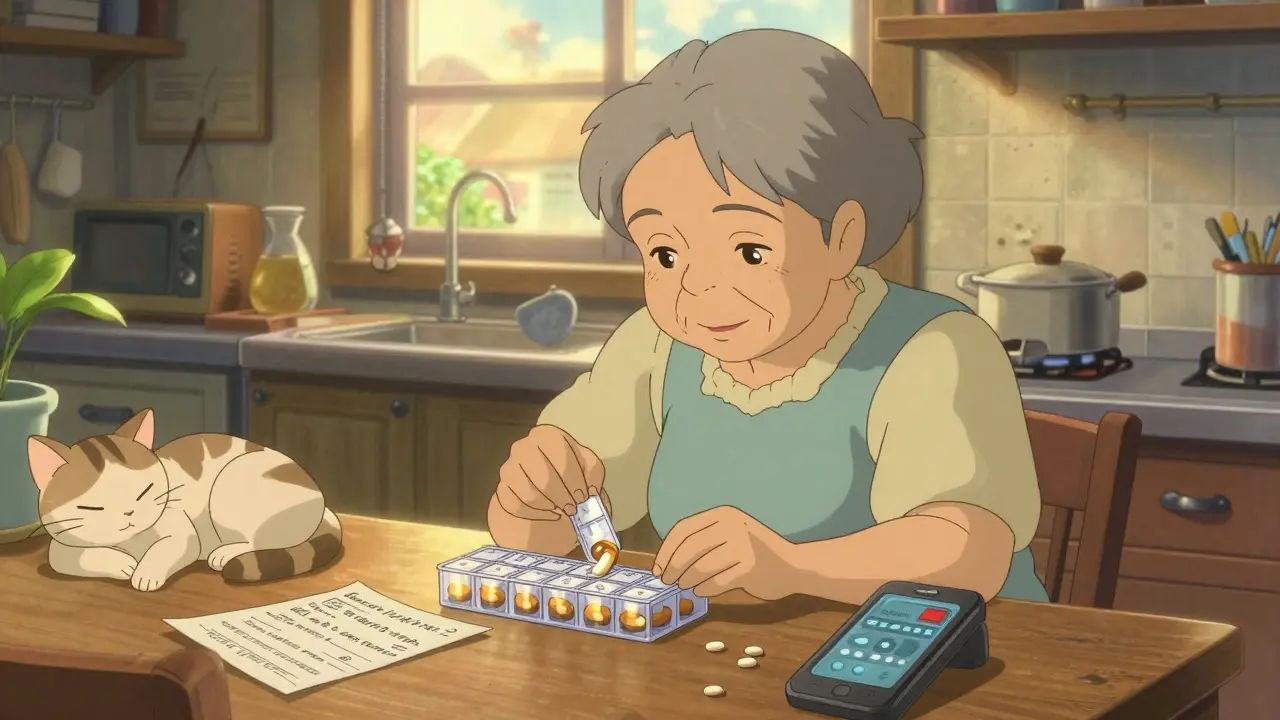
Every year, over 1.5 million Americans are harmed by medication errors. That’s not a typo. It’s not a rare accident. It’s happening in hospitals, nursing homes, and living rooms across the country - often because of something simple, like a misread label, a skipped dose, or a drug interaction no one checked. The World Health Organization calls this a global crisis, with costs hitting $42 billion a year and at least one preventable death every day in the U.S. alone. The scary part? Most of these errors are avoidable.
What Counts as a Medication Error?
A medication error isn’t just taking the wrong pill. It’s any mistake that happens from the moment a doctor writes a prescription to when you swallow the pill at home. That includes:- Getting the wrong drug
- Taking the wrong dose
- Taking a drug at the wrong time
- Missing a dose entirely
- Drug interactions you weren’t warned about
- Using expired or fake medication
It doesn’t matter if it’s a nurse at the hospital or your 80-year-old mom on the kitchen counter. If the medication wasn’t used as intended, and harm could result - it’s an error. And the most dangerous ones happen with high-risk drugs like insulin, blood thinners, and opioids. These account for over 60% of severe medication-related injuries, according to the FDA’s 2024 MAUDE database.
Why Hospitals Still Get It Wrong
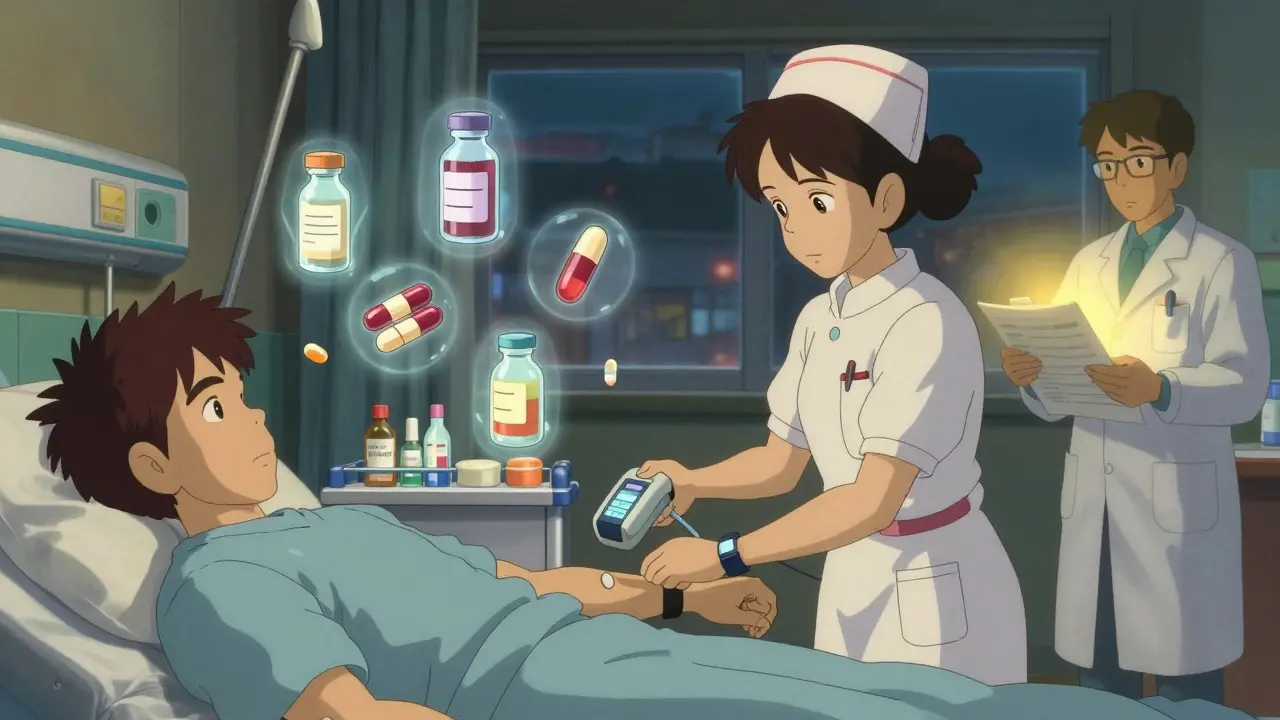
Hospitals have spent millions on technology to stop these mistakes. Barcode Medication Administration (BCMA) systems scan your wristband and the drug before giving it to you. Computerized order entry (CPOE) stops doctors from prescribing dangerous doses. And yet, errors still slip through.A 2025 study in JMIR showed BCMA cut dispensing errors by nearly half - from 0.0063% down to 0.0035%. That sounds impressive. But here’s the catch: nurses still bypass the system. Why? Because scanning every single pill adds 15 to 20 minutes to each medication round. In a busy ward, that’s a lot of pressure. One nurse on Reddit said their hospital’s BCMA system “beeps like a video game gone wrong,” and staff started scanning multiple drugs at once just to keep up. That’s when errors creep back in.
And it’s not just the tech. A 2024 survey of 1,200 hospital pharmacists found that 57% saw new types of errors emerge after BCMA was installed. For example, someone might scan the wrong barcode because the label was smudged, or a drug was mislabeled at the pharmacy. Technology isn’t magic. It’s only as good as the system around it.
The Real Game-Changer: Medication Reconciliation
One of the most powerful tools against medication errors isn’t flashy. It doesn’t beep. It doesn’t scan barcodes. It’s called medication reconciliation.This is when a pharmacist or nurse sits down with you - at admission, during your stay, and especially when you’re being discharged - and asks: “What are you really taking?” Not what the computer says. Not what your old doctor wrote. What’s in your actual pill organizer right now?
Why does this matter? Because 80% of hospital discharge summaries get medication lists wrong. A patient might be sent home on warfarin, but their home meds include aspirin and fish oil - all blood thinners. No one checks. Result? A trip back to the ER with internal bleeding.
When pharmacists do reconciliation properly, it cuts adverse events by up to 30%. But here’s the problem: most hospitals don’t do it well. The WHO says discharge reconciliation is especially weak worldwide. Too often, the patient gets a list printed on a napkin. No one explains it. No one follows up.
Home Medication Errors Are Even Worse
Hospitals have rules, staff, and scanners. At home? You’re on your own.Over 89% of home medication errors happen in people aged 75 and older who take five or more medications. That’s not unusual - it’s normal for seniors. But it’s a recipe for disaster. A 2024 study in the Journal of Patient Safety found:
- 41% of errors were due to wrong timing - taking a pill at 7 a.m. instead of 7 p.m.
- 33% were wrong doses - splitting pills incorrectly, using a teaspoon instead of a medicine cup
- 63% of users said they got confused between multiple pill containers
Even “helpful” tools like pill organizers fail. A 2025 review on SingleCare.com showed 72% of seniors using weekly pill boxes still had at least one dosing error per month. Why? Because they’re not designed for complex regimens. If you’re on 12 different meds, you need six boxes. And if one box gets mixed up? You’re in trouble.
What Actually Works at Home
You don’t need fancy tech to prevent errors at home. You need simplicity and support.Here’s what the NIH and Annals of Internal Medicine say works:
- Use single-dose packaging. Pharmacies can blister-pack your meds by day and time. This cuts errors by 28%. Ask your pharmacist - most do this for free or low cost.
- Reduce your daily doses. If you’re taking meds four times a day, ask your doctor if some can be combined or taken together. Three doses max is ideal.
- Get a weekly medication review. A pharmacist meeting with you once a week reduces home errors by 37%. Many Medicare Advantage plans now cover this. Call your insurer and ask.
- Keep a live list. Not on a sticky note. Not in your head. Write down every pill, supplement, and over-the-counter drug you take - including CBD, turmeric, and vitamin D. Bring it to every appointment. Update it after every change.
- Involve a caregiver. If you live alone, get someone - a family member, neighbor, home health aide - to check your meds once a week. A second set of eyes prevents 90% of routine mistakes.
Technology Can Help - But Only If Used Right
Some new tools are making a real difference. AI systems at Johns Hopkins reduced high-risk prescribing errors by 53% in 2024 trials by predicting dangerous combinations before they’re written. Blockchain is being tested to verify if a drug is real - not counterfeit - by tracking it from manufacturer to pharmacy. These are promising.But here’s the hard truth: 68% of tech failures aren’t because the software is bad. They’re because staff weren’t trained properly, or the system doesn’t fit how people actually work. ECRI’s 2025 report says: “Technology alone cannot overcome deeply ingrained unsafe practices.”
That means:
- If your hospital uses BCMA, ask: “Are we training staff on workarounds?”
- If you’re using a pill app, ask: “Does it sync with my pharmacy?”
- If you’re on multiple meds, ask: “Has my pharmacist reviewed this list in the last 3 months?”
The Hidden Danger: Fake and Substandard Drugs
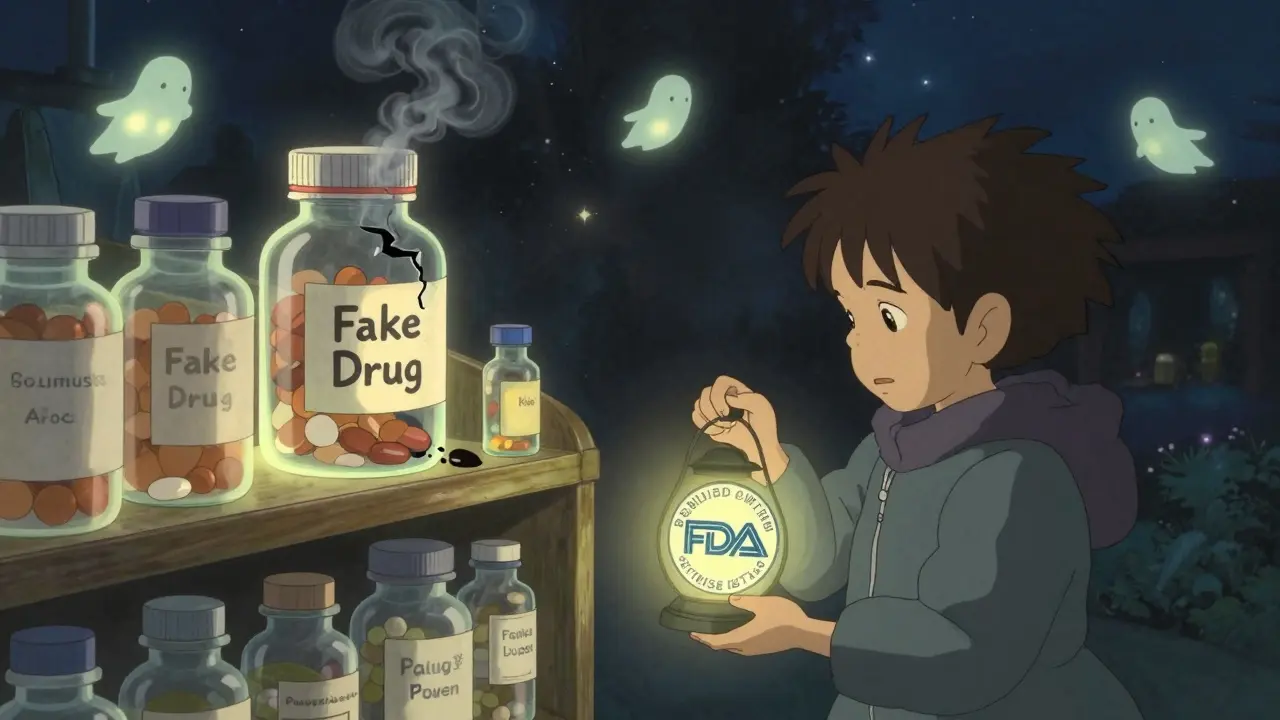
You think you’re safe buying from a pharmacy? Think again.Dr. Marcus Schabacker of ECRI warns that 95% of online pharmacies selling prescription drugs are illegal. Many use fake Canadian logos or URLs ending in “.ca” to trick you. The WHO says substandard or falsified drugs are rising fast - especially for diabetes, heart disease, and antibiotics. These drugs might contain no active ingredient… or too much. Either way, they can kill.
Only buy medications from licensed pharmacies. Check the FDA’s list of verified online pharmacies. If a deal seems too good to be true - it is.
What You Can Do Today
You don’t have to wait for hospitals or tech to fix this. You can start now:- Make a complete list of every medication, supplement, and OTC drug you take. Include doses and times.
- Take it to your next doctor’s visit - and ask: “Is this still the right list?”
- Ask your pharmacist for single-dose blister packs - even if you only take 3 pills a day.
- Set phone alarms for each dose. Don’t rely on memory.
- Get someone to check your pill box once a week.
- If you buy meds online, verify the pharmacy. Use the FDA’s Verify Your Pharmacy tool.
Medication safety isn’t about perfect systems. It’s about simple habits, clear communication, and never assuming someone else is checking. The data shows we can cut these errors by half - but only if everyone plays a part.
What are the most common medication errors at home?
The most common errors at home are taking the wrong dose, missing a dose, taking pills at the wrong time, and confusion between multiple pill containers. These are especially frequent in people over 75 who take five or more medications. Studies show 41% of errors involve timing mistakes, and 33% involve incorrect dosing.
Can pill organizers really prevent medication errors?
Pill organizers help - but only if used correctly. They reduce errors by about 15-20% in home settings. However, they fail when patients have complex regimens (like 10+ pills a day) or when multiple organizers get mixed up. Single-dose blister packs from a pharmacy are far more reliable, cutting errors by 28%.
What is medication reconciliation and why does it matter?
Medication reconciliation is the process of comparing a patient’s current medication list with what’s been prescribed during a hospital stay or care transition. It matters because up to 80% of discharge summaries contain errors. When pharmacists do this properly, it reduces adverse drug events by up to 30% and prevents dangerous interactions.
Are hospital barcode systems effective at preventing errors?
Yes - but not perfectly. Barcode Medication Administration (BCMA) reduces dispensing errors by nearly half, especially for wrong drugs and doses. However, studies show 57% of hospital staff report new errors emerging from workarounds, like scanning multiple items at once or bypassing the system under time pressure. Training and workflow design matter as much as the technology.
How can I avoid fake or unsafe medications online?
Never buy prescription drugs from websites that don’t require a valid prescription. Look for the VIPPS seal (Verified Internet Pharmacy Practice Sites) or check the FDA’s list of verified online pharmacies. Avoid sites with names like “CanadaPharmacy” or “UKMeds” unless they’re officially licensed. Fake drugs can contain no active ingredient - or toxic substances - and are responsible for thousands of preventable injuries each year.
What should I do if I think I made a medication error?
If you suspect you took the wrong pill, missed a dose, or had a reaction, call your pharmacist immediately. They can assess your risk and advise whether you need medical attention. Don’t wait. For high-risk drugs like blood thinners or insulin, even a small mistake can be dangerous. Keep your medication list handy - it helps them respond faster.
Final Thought: Safety Is a Team Sport
Medication safety isn’t just the doctor’s job. It’s not just the pharmacist’s. It’s not just the hospital’s. It’s yours too. The tools exist. The data proves they work. But they only work if you speak up, ask questions, and don’t accept “it’s fine” as an answer. Keep your list updated. Use blister packs. Get help. And if something doesn’t feel right - trust your gut. It might just save your life.
Casper MacIntyre
Hello, my name is Casper MacIntyre and I am an expert in the field of pharmaceuticals. I have dedicated my life to understanding the intricacies of medications and their impact on various diseases. Through extensive research and experience, I have gained a wealth of knowledge that I enjoy sharing with others. I am passionate about writing and educating the public on medication, diseases, and their treatments. My goal is to make a positive impact on the lives of others through my work in this ever-evolving industry.
9 Comments
-
Steven Lavoie
December 17, 2025 AT 06:33The data here is solid, but the real issue isn’t tech or even compliance - it’s systemic neglect. Hospitals treat medication safety like a checkbox, not a culture. Nurses aren’t villains; they’re overworked. Pharmacists aren’t lazy; they’re understaffed. Until we stop blaming individuals and fix the workflow, barcode scanners won’t matter. We need more pharmacists on the floor, not just behind counters.
-
Brooks Beveridge
December 18, 2025 AT 10:19Hey everyone - I’m a geriatric care coordinator, and I’ve seen this firsthand. Your grandma isn’t ‘forgetful’ - she’s overwhelmed. One of my clients used to take her insulin at 4 a.m. because the label said ‘take at night’ and she thought that meant ‘when you go to bed.’ We switched to blister packs + a simple alarm labeled ‘INSULIN - 8 PM’ - and her A1C dropped 2 points in 3 months. It’s not about smarts. It’s about clarity. And a little help.
Also - if you’re buying meds online and it’s cheaper than Walmart? Run. I’ve seen counterfeit metformin with chalk and sugar. No joke. FDA’s list is your friend. Save your life, not your dime.
-
Meghan O'Shaughnessy
December 18, 2025 AT 15:13My mom got discharged with a list written on a receipt. No explanation. She took her blood pressure med at night and woke up dizzy every morning. Took us three weeks to figure it out. Now we use a whiteboard by the fridge. One line per med. Time. Dose. Why. It’s dumb. It works.
-
Kaylee Esdale
December 19, 2025 AT 20:49blister packs are magic. just ask your pharmacist. theyll do it for free. no more mixing up pills. no more ‘was that this morning or last night?’ game. life changes. try it.
-
Jody Patrick
December 21, 2025 AT 16:22Why are we even talking about this? America’s healthcare is broken. Blame the hospitals. Blame the pharma giants. Blame the politicians. But stop pretending a pill box fixes a system that’s rigged.
-
CAROL MUTISO
December 22, 2025 AT 21:47Oh honey. You think the hospital’s BCMA system is the villain? Sweetie, the real villain is the nurse who’s been on a 12-hour shift, hasn’t eaten, and has 17 patients. She scans five pills at once because if she doesn’t, she’ll get yelled at for being ‘slow.’ And the system? It’s not broken. It’s just being used by humans. Who are tired. And underpaid. And overworked. We’re not fixing tech. We’re fixing culture. And that’s harder than writing a blog post.
Also - yes, fake meds are a nightmare. But guess what? The FDA’s ‘verified pharmacy’ list? It’s 14 pages long. No one reads it. We need a simple app. One tap. ‘Is this legit?’ Boom. Done. Until then? Stick to CVS. Even if it’s $20 more.
-
Martin Spedding
December 24, 2025 AT 18:18bcma is a joke. nurses bypass it because its a waste of time. and the 'med rec' thing? thats just a glorified checklist. nobody reads it. and pill organizers? ha. my aunt used one and took her anticoagulant with her vitamin e. boom. bleed out. lol. healthcare is a circus.
-
Chris Van Horn
December 25, 2025 AT 15:49While the article presents a superficially compelling narrative, it fundamentally misattributes causality by conflating operational inefficiencies with systemic failures. The data cited, while statistically significant, lacks longitudinal context and fails to account for confounding variables such as socioeconomic status, cognitive decline, and non-adherence. Moreover, the suggestion that single-dose packaging constitutes a "game-changer" is empirically reductive; it ignores the pharmacoeconomic implications of scalable distribution models in a fiscally constrained environment. One must interrogate the epistemological foundations of these recommendations before advocating for their universal implementation.


Write a comment
More Articles
FDA's 180-Day Exclusivity: How First Generic Applicants Gain Market Advantage
FDA's 180-day exclusivity gives the first generic drug applicant a legal edge to launch without competition-but loopholes let companies delay entry. Here's how it works, who benefits, and why reform is urgent.

Lexapro: Honest Insights on Effectiveness, Side Effects, and Life with Escitalopram
Get to know Lexapro from the inside out—how it works, real effects, typical side effects, and what life is like when you’re on escitalopram. This guide covers how Lexapro tackles depression and anxiety, tips for starting or stopping, and honest talk about what to expect from changes in mood to libido. We break down studies, bust myths, and share practical advice to help you make sense of this common SSRI.

Revitalize Your Health with the Magic of European Mistletoe – Nature's Best-Kept Secret
In my latest blog, I delve into the sheer magic of European Mistletoe, nature's best-kept secret for revitalizing health. I was amazed to uncover a host of benefits from this humble plant, including boosting immune function and aiding in cancer treatment. I've also found out that it's been used for centuries in Europe for various medicinal purposes. It's incredible how this underestimated plant can be a game-changer for our well-being. So, join me as I explore and share the powerful benefits of the European Mistletoe for your health.
Erik J
December 16, 2025 AT 13:40I’ve seen this play out with my dad. He’s on 11 meds. His pill organizer? A mess. One time he took his blood thinner at breakfast instead of bedtime. Didn’t realize until his INR spiked. No beep, no alert - just a trip to the ER. Simple fix? Blister packs. Pharmacist did it for free. No more guessing.