Drug Forecasting: Predicting Medication Trends, Demand, and Future Risks
When we talk about drug forecasting, the process of predicting future demand, supply gaps, and safety risks for medications. Also known as pharmaceutical demand modeling, it’s not guesswork—it’s data-driven planning that keeps hospitals stocked, pharmacies open, and patients protected. Think of it like weather forecasting, but for pills: if a new antibiotic becomes popular, how much will we need in six months? Will generic versions hit the market fast enough? Could contamination or shortages cause a crisis? These aren’t theoretical questions—they’re daily concerns for pharmacies, insurers, and regulators.
Generic drug approval, the process ensuring off-brand medications meet the same safety and strength standards as brand-name drugs, plays a huge role in forecasting. When the FDA approves a new generic, it doesn’t just add another option—it changes the entire supply chain. More generics mean lower prices, higher usage, and bigger demand spikes. But if a contamination like NDMA in valsartan or benzene in Mucinex shows up, forecasting models must instantly adjust for recalls, patient panic, and sudden shifts to alternatives. That’s why drug supply chain, the network of manufacturers, distributors, and pharmacies that move drugs from labs to patients is now monitored in real time using sales data, prescription trends, and even social media chatter about side effects.
It’s not just about quantity—it’s about timing and risk. medication trends, patterns in how and why people use drugs over time help predict what’s coming next. For example, the rise in GLP-1 weight-loss drugs didn’t just happen overnight. Forecasting models saw the shift in prescribing habits, the surge in demand for injectables, and the strain on manufacturing. Meanwhile, orphan drug exclusivity laws create predictable monopolies for rare-disease treatments, forcing planners to account for sudden price jumps and limited supply. Even something as small as a change in birth control pill formulations affects long-term forecasting because it influences patient adherence and refill rates.
Behind every forecast are real people. A diabetic patient relying on insulin needs consistent access. A cancer patient on chemotherapy can’t afford delays. A senior on ten different meds? Their risk of side effects rises with every new prescription added—so forecasting must also predict which combinations could cause harm. That’s why medical history, a patient’s past illnesses, medications, and genetic factors that shape how they respond to drugs is now baked into advanced models. It’s not just about how many pills will be needed—it’s about who needs them, when, and safely.
What you’ll find below isn’t just a list of articles—it’s a map of the real-world systems behind every pill you take. From contamination scares and generic approval delays to how your own medical history affects drug safety, these posts show how forecasting isn’t done in boardrooms. It’s happening in clinics, pharmacies, and labs every day. And if you’ve ever wondered why a medication disappeared from shelves, or why your doctor switched your prescription, the answers are here.
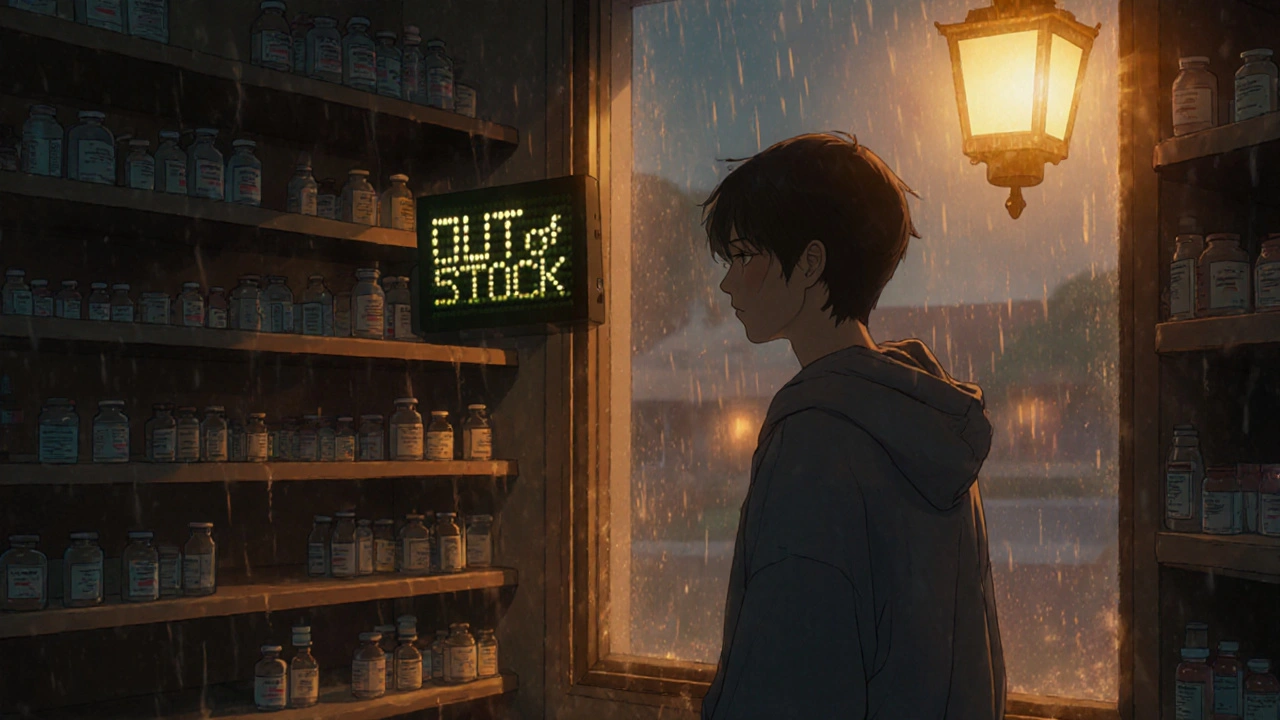
Shortage Predictions: Forecasting Future Drug Scarcity 2025-2030
Drug shortages are accelerating due to global supply chain fragility, climate disruptions, and geopolitical tensions. Learn how forecasting tools are evolving-and what you can do to protect your access to essential medicines.