Medicine Supply Chain: How Drugs Get to You and What Can Go Wrong
When you pick up a pill at the pharmacy, it didn’t just appear there. It traveled through a complex medicine supply chain, the end-to-end network that moves pharmaceuticals from manufacturers to patients. Also known as pharmaceutical logistics, this system includes raw material sourcing, production, quality testing, shipping, warehousing, and final delivery—often crossing borders and passing through multiple hands before reaching your medicine cabinet. It sounds simple, but one broken link can mean a contaminated batch, a delayed refill, or a drug that doesn’t work as it should.
The generic drug supply chain, the network responsible for distributing cheaper versions of brand-name medications is especially vulnerable. Many generic drugs are made overseas, where oversight varies. Recent recalls of valsartan with NDMA and Mucinex with benzene weren’t accidents—they were signs of deeper problems in how these drugs are made and inspected. Even if a pill meets FDA standards on paper, contamination can slip in during shipping, storage, or repackaging. And it’s not just about safety. Delays in the drug distribution, the process of getting medications from wholesalers to pharmacies and patients can leave people without critical drugs like insulin or blood pressure meds.
What does this mean for you? If you take a daily medication, you’re already part of this system. Your 90-day mail-order prescription, your local pharmacy’s stock, even the cheap generic you bought online—all depend on this chain holding together. When it doesn’t, side effects get worse, conditions flare up, and people miss doses. That’s why posts here cover everything from generic drug contamination and how to spot fake online pharmacies, to how your medical history affects your risk when a drug’s source changes. You’ll find real stories about what happens when a shipment gets delayed, how recalls are triggered, and what steps you can take to protect yourself—whether you’re on a chronic medication or just filling a one-time prescription.
This collection doesn’t just explain how drugs move—it shows you how to navigate the system smarter. You’ll learn how to check if your meds are safe, when to question a refill delay, and how to avoid counterfeit drugs disguised as affordable generics. No fluff. Just what you need to know to make sure the next pill you take actually does what it’s supposed to.
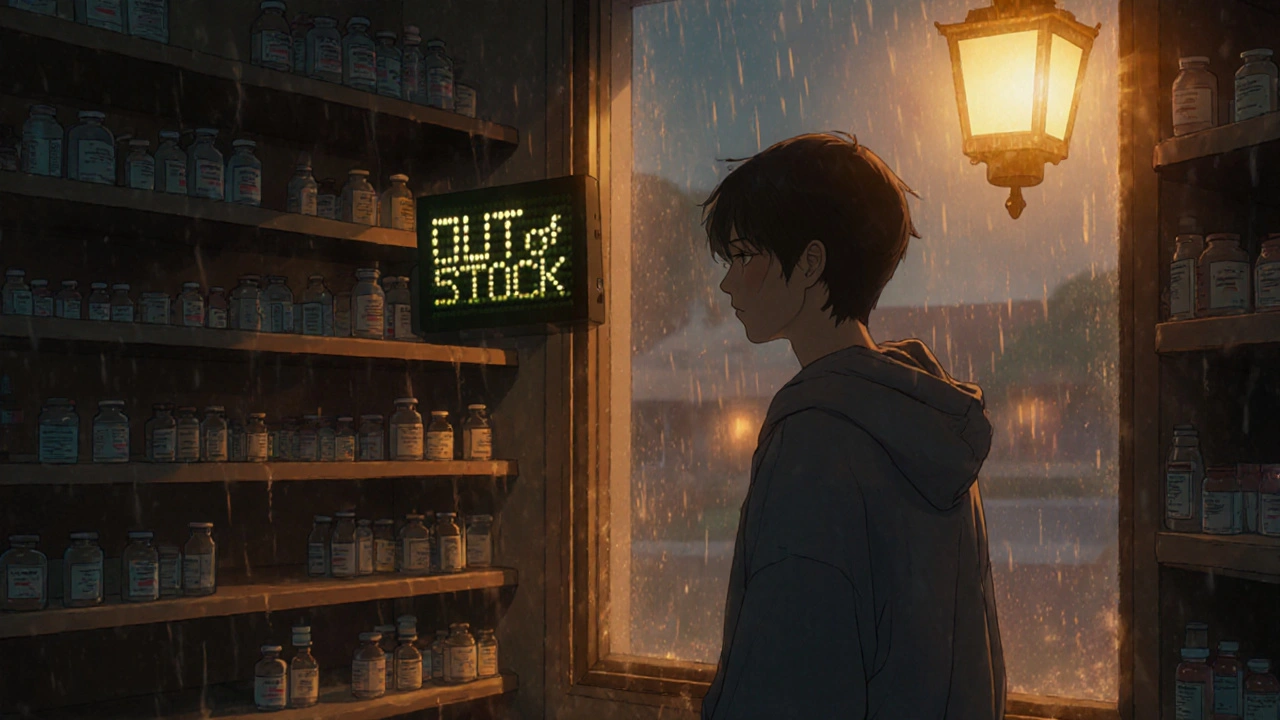
Shortage Predictions: Forecasting Future Drug Scarcity 2025-2030
Drug shortages are accelerating due to global supply chain fragility, climate disruptions, and geopolitical tensions. Learn how forecasting tools are evolving-and what you can do to protect your access to essential medicines.