
Social Media ADR Signal Reliability Calculator
How Reliable Is This Social Media Report?
This tool estimates the probability that a social media report about a drug side effect is a true adverse drug reaction (ADR), based on factors discussed in the article.
Every year, millions of people take medications that work perfectly for them. But for some, a drug that’s supposed to help ends up hurting. These unexpected side effects - called adverse drug reactions (ADRs) - are hard to catch before a medicine hits the market. Traditional systems, like doctor-reported forms or hospital records, only capture about 5-10% of actual cases. That’s a massive blind spot. Now, social media is stepping in as a new, noisy, powerful tool to fill that gap.
Why Social Media Matters for Drug Safety
Think about it: when someone has a bad reaction to a new pill, they don’t always call their doctor. They go online. They post on Reddit. They tweet about it. They share in Facebook groups. And they do it fast - often before anyone in the medical system even knows something’s wrong.
In 2024, over 5.17 billion people use social media. That’s more than 60% of the world’s population. And they’re spending over two hours a day on these platforms. That’s not just cat videos and memes - it’s real-time, unfiltered health stories. A new diabetes drug? Someone posts about dizzy spells two weeks after starting it. A popular antidepressant? Users in a support group start noticing strange muscle spasms. These aren’t clinical trial results. They’re lived experiences.
That’s the promise of social media pharmacovigilance: catching safety signals earlier. One case from 2023 showed a potential risk for a new diabetes medication being spotted on Twitter 47 days before the first formal report reached regulators. That’s not just faster - it’s life-saving.
How It Actually Works (Behind the Scenes)
It’s not as simple as typing a drug name into Google. Social media pharmacovigilance is a complex system built on AI and data science.
First, companies use tools to scan platforms like Twitter, Reddit, Instagram, and health forums. They’re not looking for every mention of a drug - they’re hunting for patterns. Are more people talking about rash, fatigue, or liver pain after starting a specific medication?
Two key AI methods make this possible:
- Named Entity Recognition (NER): This pulls out key details - drug names, dosages, symptoms, and even patient identifiers. It’s like a medical detective scanning every post for clues.
- Topic Modeling: This finds hidden themes. If people start using phrases like “can’t stop shaking” or “felt like I was drowning” after taking a new drug, the system picks up on those patterns even if they don’t use exact medical terms.
These systems can process up to 15,000 posts per hour. And they’re getting smarter. As of 2024, 73% of major pharmaceutical companies use AI for this work, with accuracy rates around 85% in spotting real adverse events.
But here’s the catch: even the best AI can’t tell if someone’s lying, exaggerating, or just confused. That’s why every flagged post still goes through human review. And that’s where things get messy.
The Dark Side: Noise, Bias, and False Alarms
Not every post about a side effect is real. A lot of it is noise.
Studies show that 68% of potential adverse event reports on social media turn out to be false - either because the person didn’t take the drug, mixed it with alcohol, had an unrelated illness, or just misunderstood their symptoms. In one case, a user claimed a blood pressure pill caused “teleportation.” The system flagged it. The team laughed, then deleted it.
Even worse, 92% of social media posts lack critical medical details: no age, no other meds, no lab results, no doctor’s diagnosis. And 87% of reports don’t include the correct dosage. Without that, you can’t tell if the reaction is from the drug, a drug interaction, or something else entirely.
And then there’s the bias problem. Social media doesn’t represent everyone. Older adults, low-income groups, and people in rural areas are underrepresented. Those who can’t afford smartphones or don’t speak English well? Their voices are missing. That means safety signals might be skewed - we’re only hearing from a subset of users. As one ethics paper put it: “We have an obligation to use this data… but only if we don’t ignore the people who aren’t online.”
For rare drugs - say, one prescribed to fewer than 10,000 people a year - the signal-to-noise ratio is practically useless. The FDA found 97% false positives for these medications. It’s like trying to hear a whisper in a hurricane.

When It Actually Works: Real Success Stories
Despite the noise, there are wins.
Venus Remedies, a pharmaceutical company, used social media monitoring to spot a cluster of rare skin reactions linked to a new antihistamine. Within 112 days, they updated the drug’s label - months faster than traditional reporting would have allowed. That change helped thousands avoid severe rashes.
On Reddit’s r/Pharma subreddit, a nurse shared how Twitter conversations revealed a dangerous interaction between a new antidepressant and a popular herbal supplement - something clinical trials missed. That insight led to a new warning on the drug’s packaging.
These aren’t flukes. According to a 2024 survey, 43% of pharmaceutical companies reported at least one major safety discovery from social media in the last two years. And those aren’t just small fixes - they’re label changes, dosage warnings, and sometimes, drug withdrawals.
The Regulatory Reality
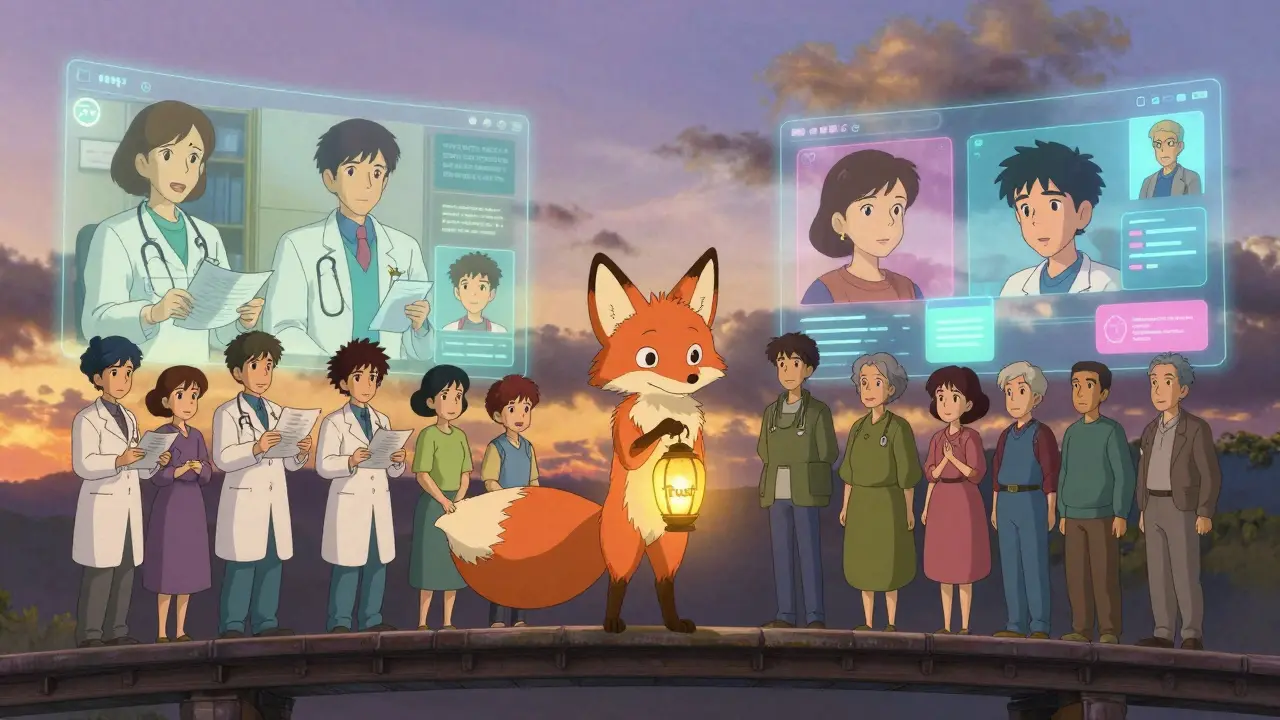
Regulators aren’t ignoring this. The FDA issued formal guidance in 2022: yes, social media can be used, but only if you validate the data. The EMA followed up in 2024, requiring companies to document their social media monitoring methods in their safety reports.
But there’s no global standard. In Europe, 63% of companies use social media monitoring. In North America, it’s 48%. In Asia-Pacific, only 29%. Why? Privacy laws. Data rules. Cultural differences. In some countries, even collecting public social media posts could be illegal.
And then there’s the big question: if a patient posts about a side effect, does that count as consent? Most don’t realize their post might be analyzed by a drug company. That’s a gray area - ethically and legally.
What It Takes to Do It Right
Setting up a social media pharmacovigilance system isn’t plug-and-play. It requires:
- Integration with at least 3-5 major platforms (Twitter, Reddit, Facebook, Instagram, and niche health forums)
- AI trained on medical slang - “my head’s spinning” isn’t the same as “vertigo,” but the system needs to know they’re related
- A three-stage human review process: AI flags → junior analyst reviews → senior pharmacovigilance expert approves
- Training: staff need an average of 87 hours of specialized training to distinguish real signals from noise
- Language support: 63% of companies struggle with non-English posts, which are often the most detailed
And even then, duplication is a problem. The same person might post the same reaction on Twitter, Reddit, and a Facebook group. Without smart de-duplication, you end up counting one person three times. That’s why partnerships like the one between IMS Health and Facebook have improved accuracy to 89% for matching duplicate reports.
The Future: AI, Integration, and Trust
The market for social media pharmacovigilance is exploding - projected to grow from $287 million in 2023 to nearly $900 million by 2028. Why? Because regulators are pushing for it, and companies are realizing the cost of missing a safety signal can be billions in lawsuits and recalls.
The next big step? Tighter integration. Imagine a system where social media signals automatically trigger alerts in traditional pharmacovigilance databases. Where AI filters out the noise, and human experts focus only on high-confidence cases.
The FDA is already testing this. In March 2024, they launched a pilot with six big pharma companies to reduce false positives below 15%. If that works, it could become the new standard.
But the real challenge isn’t technical. It’s trust. Can patients trust that their posts won’t be used against them? Can regulators trust that companies aren’t cherry-picking data? Can doctors trust that a tweet is enough to change a prescription?
As one lead researcher from the WEB-RADR project put it: “The principles for using social media in pharmacovigilance are absolutely needed.” We have the tools. We have the data. But without clear rules, transparency, and ethics, we risk doing more harm than good.
Bottom Line: A Tool, Not a Replacement
Social media isn’t replacing doctors, clinical trials, or formal reporting systems. It’s a loud, messy, powerful extra ear - one that hears what the system misses.
It’s great for spotting trends in widely used drugs. It’s terrible for rare ones. It’s fast. It’s biased. It’s unverified. But it’s real.
The future of drug safety doesn’t lie in choosing between traditional methods and social media. It lies in blending them. Let AI do the heavy lifting. Let humans do the judgment. Let patients speak. And let regulators set the rules.
Because in the end, pharmacovigilance isn’t about data. It’s about people. And every voice - online or offline - matters.
Can social media really detect drug side effects before doctors do?
Yes, in some cases. Social media has identified safety signals up to 47 days earlier than traditional reporting systems. This happened with a new diabetes medication where patients posted about dizziness and fatigue before any formal reports were filed. But this only works for drugs with large user bases - it’s not reliable for rare medications.
Is it ethical to monitor patients’ social media posts for drug safety?
It’s a gray area. Most people don’t know their public posts are being analyzed by pharmaceutical companies. While the intent is to improve safety, this raises privacy concerns. Ethical guidelines now stress transparency: companies should disclose their monitoring practices, and regulators are pushing for clearer rules on consent and data use.
Why do so many social media reports turn out to be false?
Because social media is full of noise. People mix up symptoms, take multiple medications, misunderstand side effects, or even joke. About 68% of flagged posts require manual review and are discarded. Without medical history, dosage info, or lab results, it’s hard to confirm if a reaction is truly caused by the drug.
Which platforms are most useful for pharmacovigilance?
Twitter (now X), Reddit, and Facebook are the top three. Twitter is fast and public, Reddit has deep health communities, and Facebook has large patient groups. Instagram and YouTube are growing, but harder to analyze due to image and video content. Health-specific forums like PatientsLikeMe are also valuable but less accessible.
Do all pharmaceutical companies use social media for pharmacovigilance?
No. As of 2024, 78% of major companies use some form of monitoring, but adoption varies by region. Europe leads at 63%, North America at 48%, and Asia-Pacific at 29%. Smaller companies often lack the resources. Regulatory pressure and legal risks are pushing more to adopt it, but it’s still not universal.
What’s the biggest challenge in using social media for drug safety?
The biggest challenge is data quality. Without verified patient identities, medical records, or accurate dosages, it’s nearly impossible to confirm if a reaction is real. Even with AI, human review is essential - and it’s slow, expensive, and inconsistent. Until we solve this, social media will remain a supplement, not a replacement, for traditional methods.
Casper MacIntyre
Hello, my name is Casper MacIntyre and I am an expert in the field of pharmaceuticals. I have dedicated my life to understanding the intricacies of medications and their impact on various diseases. Through extensive research and experience, I have gained a wealth of knowledge that I enjoy sharing with others. I am passionate about writing and educating the public on medication, diseases, and their treatments. My goal is to make a positive impact on the lives of others through my work in this ever-evolving industry.
14 Comments
-
Jasneet Minhas
January 31, 2026 AT 07:20Let’s be real 🤔: social media is the new pharmacovigilance Wild West. 🐴💊 People are posting ‘I turned into a werewolf after taking metformin’ - and AI still flags it. But hey, if it catches one real case before someone dies? Worth the 68% noise. #TechIsNotPerfectButItsBetterThanNothing
-
Megan Brooks
February 1, 2026 AT 18:43There’s a profound ethical tension here. On one hand, we have the potential to save lives by detecting signals earlier. On the other, we’re mining public data without informed consent. It’s not enough to say 'it’s public' - public doesn’t mean 'free for corporate analysis.' We need clear, global standards - not just guidelines - before this scales further.
-
Ryan Pagan
February 3, 2026 AT 12:53Let me tell you something - the real MVP here isn’t the AI, it’s the overworked pharmacovigilance analyst who’s sifting through 15,000 posts an hour while nursing a cold and three cups of lukewarm coffee. These folks are the unsung heroes turning Twitter rants into life-saving label changes. Give them raises. Give them therapy. Give them a damn break.
-
Paul Adler
February 3, 2026 AT 22:40I appreciate the nuance in this post. It’s easy to get swept up in the hype of AI and big data, but the reality is messier. Social media gives us a louder voice - but not always a clearer one. The key is integration, not replacement. Traditional systems have structure. Social media has speed. Together, they might finally close the gap.
-
rajaneesh s rajan
February 4, 2026 AT 18:20So we’re using Twitter to monitor drugs but ignoring the 70% of elderly Indians who don’t have smartphones? Classic. We’re building a safety net that only catches the rich, the young, and the English-fluent. Meanwhile, grandma in Bihar is dying from a reaction nobody’s tracking because she doesn’t post memes. This isn’t innovation. It’s exclusion dressed up as progress.
-
paul walker
February 6, 2026 AT 04:59I think this is amazing!! Like, seriously, I had no idea people were using social media to catch side effects!! I’m so glad tech is helping!! 🙌 Maybe next they’ll use TikTok to find which pills make you dream about flying?? 😄
-
Alex Flores Gomez
February 7, 2026 AT 23:28Honestly, if you’re relying on Reddit posts from some 19-year-old who thinks 'brain fog' is a vibe and not a symptom, you’re not doing pharmacovigilance - you’re doing performance art. Real science needs controlled trials, not crowd-sourced anecdotes from people who can’t spell 'ibuprofen'.
-
Frank Declemij
February 8, 2026 AT 22:38The data quality issues are real. Without dosage, comorbidities, or temporal alignment, most signals are noise. But the potential is undeniable. The solution isn’t to abandon social media - it’s to standardize metadata collection. Require users to submit structured reports alongside their posts. Simple. Effective. Necessary.
-
Pawan Kumar
February 10, 2026 AT 02:12This isn’t about safety. It’s about control. Big Pharma is quietly building a surveillance state under the guise of 'patient care'. They’re tracking your every post, correlating your mood swings with your prescriptions, and selling the data to insurers. You think your tweet is anonymous? It’s not. They’re building profiles. You’re the product.
-
Robin Keith
February 11, 2026 AT 20:26You know, I’ve been thinking - if we’re using AI to parse emotional language from social media to detect adverse reactions... isn’t that just a fancy way of saying we’re using the raw, unfiltered human experience as a proxy for clinical data? And if so... what does that say about medicine itself? Are we abandoning the scientific method in favor of collective emotional resonance? Are we, in essence, turning pharmacology into a form of digital astrology?
-
LOUIS YOUANES
February 12, 2026 AT 17:23I don’t care how accurate your AI is. If someone posts 'I feel weird after taking this pill' and you don’t know if they’re 80 or 18, if they’re on 5 meds or 1, if they’re high or just tired - you’re not saving lives. You’re just collecting digital trash. This whole system is built on a house of cards made of bad data and corporate wishful thinking.
-
Laia Freeman
February 12, 2026 AT 20:31OMG I JUST REALIZED MY FRIEND POSTED ABOUT HER SIDE EFFECTS ON FACEBOOK AND NO ONE DID ANYTHING 😭 WE NEED TO TELL SOMEONE!! THIS IS SO IMPORTANT AND NO ONE TALKS ABOUT IT!! CAN WE MAKE A VIRAL CHALLENGE?? #DrugSafetyAwareness #SaveLivesWithTikTok
-
DHARMAN CHELLANI
February 14, 2026 AT 08:15Social media pharmacovigilance? More like social media theater. You think a tweet about 'tingly hands' after taking a pill is a signal? That’s not science. That’s a cry for attention. Real medicine doesn’t need crowdsourcing. It needs rigor. You’re trading evidence for entertainment.


Write a comment
More Articles
Generic Drug Shortages: Causes and How They Limit Patient Access
Generic drug shortages are crippling access to essential medications in the U.S., with 270 active shortages in 2026. Caused by low profits, concentrated manufacturing, and global supply chain risks, these shortages force patients into dangerous alternatives and strain healthcare workers. The system prioritizes price over reliability-and lives are paying the cost.

How to Buy Flomax Online Safely: A 2026 Guide to Legal Pharmacies
Learn how to legally and safely buy Flomax online in 2026. Discover top licensed pharmacies, telemedicine options for prescriptions, and how to avoid counterfeit drug scams.

Aspirin-Exacerbated Respiratory Disease: What You Need to Know About Asthma and NSAID Sensitivity
Aspirin-Exacerbated Respiratory Disease (AERD) is a severe condition linking asthma, nasal polyps, and NSAID sensitivity. Learn how it works, why standard treatments fail, and how aspirin desensitization can change your life.
kabir das
January 30, 2026 AT 05:39This is insane!! I took that new diabetes med last month, and my head was spinning like a top!! I posted about it on Reddit, and NO ONE responded!! Now I find out they were watching?? I feel violated but also... relieved??