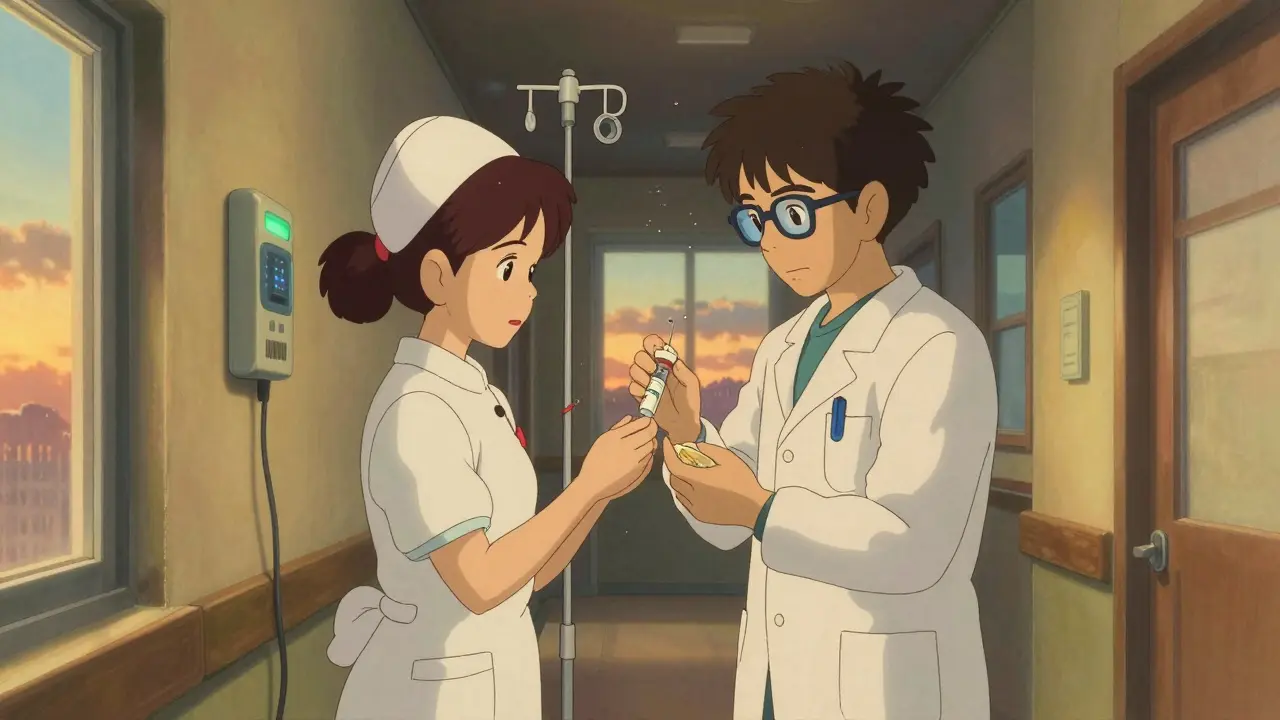
Every year, thousands of patients are harmed because of a simple mistake: the wrong dose of a powerful drug. It’s not always a nurse’s fault. It’s not always a doctor’s. Sometimes, it’s just a moment of distraction, a misread label, or a system that doesn’t catch the error before it’s too late. That’s why high-risk medications require extra verification procedures - because when these drugs go wrong, they don’t just cause side effects. They can kill.
What Makes a Medication "High-Risk"?
Not all medications are created equal. A typo in a penicillin dose might cause a rash. A typo in an IV insulin dose can trigger a coma. That’s the difference between a regular drug and a high-alert medication. The Institute for Safe Medication Practices (ISMP) defines these as drugs that carry a high risk of causing serious harm if used incorrectly - even if the error is small. These aren’t rare drugs. They’re used daily in hospitals, clinics, and even home care settings.Here’s what makes them dangerous:
- Small dosing errors lead to big consequences
- They have narrow therapeutic windows - meaning the difference between a therapeutic dose and a lethal one is tiny
- Many have no antidotes, or the antidote is hard to administer quickly
- They’re often given in high-stress, fast-paced environments
According to the ISMP’s 2022 list, the top categories include:
- Insulin (all forms - IV, subcutaneous, even oral)
- Intravenous opioids (fentanyl, morphine, hydromorphone)
- Heparin (both IV and subcutaneous)
- Chemotherapy agents (antineoplastics)
- Potassium chloride concentrate (especially in vials or bags)
- Cardiovascular drugs like IV nitroglycerin, amiodarone, and calcium channel blockers
In pediatric and neonatal units, the list expands. Every cardiac medication given to a child under 18 requires a second check. In NICUs, nearly all medications - even common ones like antibiotics - are double-checked because tiny bodies react violently to even small mistakes.
How Double Checks Actually Work
The standard procedure is called an independent double check (IDC). It’s not two people glancing at the same label. It’s two qualified professionals - a nurse and a pharmacist, or two nurses - each doing their own independent verification.Here’s how it’s supposed to happen:
- The first person prepares the medication and checks all nine rights: right patient, right drug, right dose, right route, right time, right documentation, right reason, right response, and right to refuse.
- The second person does the same - without seeing what the first person did. No peeking. No nodding along. They recalculate the dose. They check the vial label. They verify the expiration date. They confirm the patient’s ID using two identifiers.
- Both sign the Medication Administration Record (MAR) independently. No shared signatures. No shortcuts.
Providence Health and the Department of Veterans Affairs (VHA) require this for all high-alert medications. In chemotherapy, the Oncology Nursing Society mandates that two practitioners verify: patient identity, drug name, dose, infusion rate, and physical condition of the solution - all before the drip starts.
It sounds simple. But in practice? It’s messy.
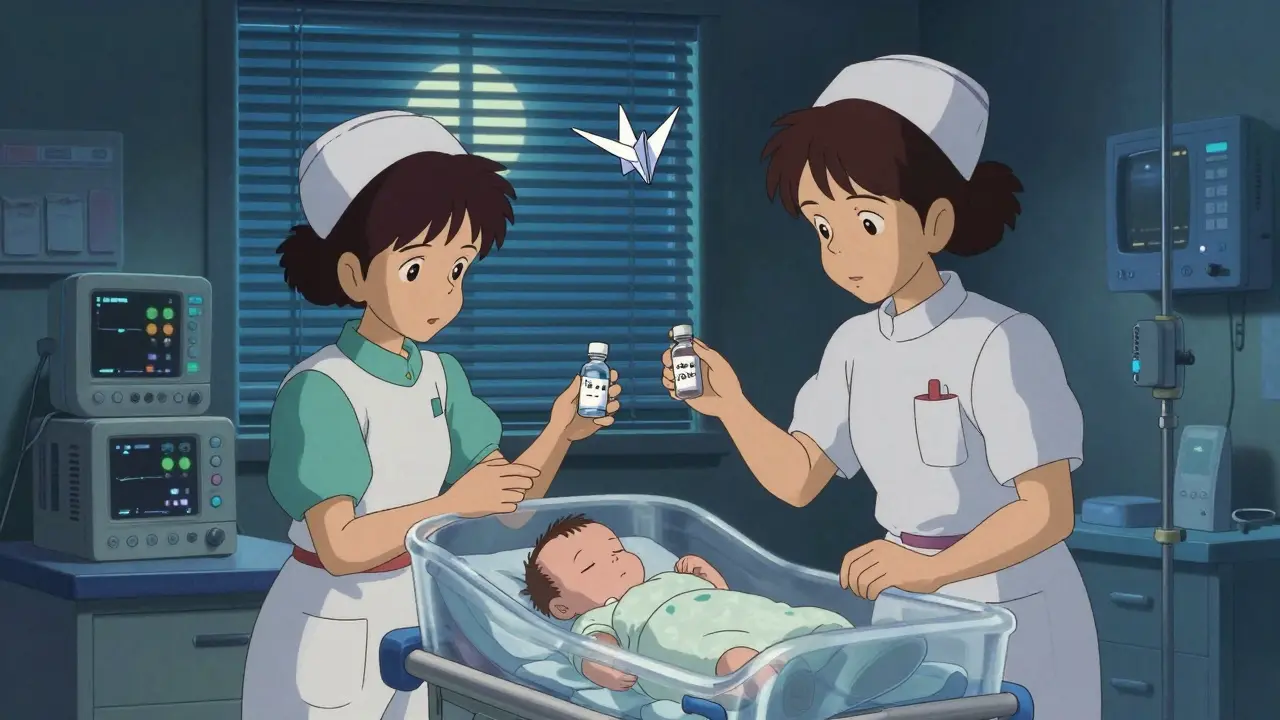
Why Double Checks Often Fail
Here’s the uncomfortable truth: many double checks don’t work. A 2022 ISMP survey found that 68% of nurses admitted to skipping required double checks during busy shifts. Why? Because they’re tired. Because the second checker is stuck in another room. Because the system doesn’t give them time.Worse, sometimes the second person doesn’t even check properly. They assume the first person got it right. They see the same label, the same dose, and think, “Looks good.” That’s confirmation bias - and it’s deadly. A 2016 study in the Journal of Patient Safety showed that when nurses double-checked each other’s work, they missed errors 30% of the time because they were looking for confirmation, not mistakes.
Another problem? The rules are inconsistent. One hospital requires double checks for all opioids. Another only for IV ones. One unit checks insulin every time. Another only if the dose is over 10 units. That’s not safety - that’s luck.
Technology Is Changing the Game
Barcode scanning. Smart infusion pumps. Electronic prescribing with dose alerts. These aren’t futuristic ideas - they’re here now. And they’re better than manual checks.Barcode scanning works like this: the nurse scans the patient’s wristband. Scans the medication. The system checks: Is this the right drug for this patient? Is the dose correct? Is the route right? If anything’s off - the alarm sounds. No human error. No skipping. No bias.
The ECRI Institute says this is the future: “If the goal is to verify the right drug, dose, and patient, barcode scanning is more reliable than a manual double check.” The VHA is rolling out full barcode integration by December 2024. Hospitals in Australia and the U.S. are following.
But technology doesn’t solve everything. What about a vial of potassium chloride that looks like saline? What about a custom chemotherapy mix made in the pharmacy? What about a nurse who doesn’t know how to use the scanner? That’s where human judgment still matters.
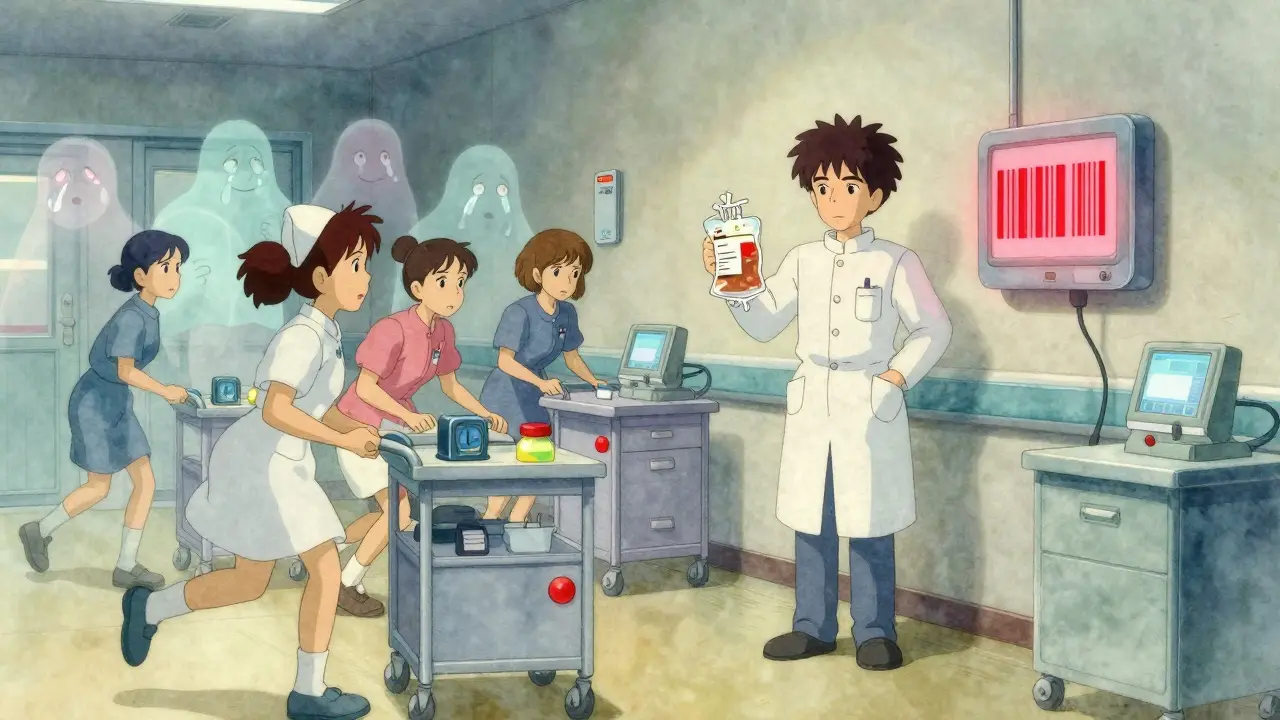
Where Manual Checks Still Matter
There are moments where only a person can catch the error:- When preparing complex IV mixes - like a heparin drip that needs to be diluted from a 10,000-unit vial
- When a patient has an allergy that isn’t in the system
- When a drug’s appearance changes - a cloudy insulin vial, a discolored chemotherapy bag
- When a patient’s weight changes suddenly and the dose doesn’t update
That’s why the ISMP now says: don’t double-check everything. Double-check only what matters. Focus on the highest-risk scenarios. For example:
- IV insulin - always double-check
- IV opioids - always double-check
- Chemotherapy - always double-check
- Potassium chloride - always double-check
- Heparin - always double-check
- Other high-alert drugs - use technology first, manual check only if needed
Organizations that adopted this focused approach saw a 40% drop in medication errors - not because they did more checks, but because they did better ones.
What Should You Do?
If you’re a healthcare worker:- Know your facility’s high-alert list. Ask if you don’t see it posted.
- Never skip a double check - even if you’re rushed. One mistake can change a life.
- If you’re the second checker, treat it like a test. Don’t assume. Don’t rush.
- Speak up if the system doesn’t give you time. Safety isn’t optional.
If you’re a patient or family member:
- Ask: “Is this medication double-checked?”
- Confirm your name and date of birth are used to verify your identity.
- Ask: “What is this drug for? What are the side effects?”
- Don’t be afraid to question a dose that seems too high or too low.
The goal isn’t perfection. It’s prevention. And the best way to prevent a deadly error isn’t by adding more steps - it’s by making the right steps count.
Which medications absolutely require a double check?
The most critical medications that require independent double checks include: IV insulin, IV opioids (like fentanyl or morphine), IV heparin, chemotherapy agents, and potassium chloride concentrate. These are listed by the Institute for Safe Medication Practices (ISMP) as high-alert drugs where even small errors can cause death. Pediatric and neonatal units often require double checks for all cardiac medications, regardless of type.
Who can perform a double check?
Only qualified healthcare professionals can perform a double check. This typically includes registered nurses, pharmacists, physicians, nurse practitioners, or physician assistants. The second person must be trained, licensed, and not under pressure. In some settings, like the VHA, only those with specific medication safety training are allowed to witness or verify high-alert medications.
Is a double check always better than technology?
No. Technology like barcode scanning and smart infusion pumps is more reliable than manual double checks. Studies show manual checks miss errors due to fatigue, bias, or time pressure. Technology doesn’t get tired. It doesn’t assume. It doesn’t skip steps. The best approach combines both: use technology for routine verification, and save manual checks for complex, high-risk situations where human judgment is essential.
Why do nurses sometimes skip double checks?
Nurses skip double checks mainly because they’re overwhelmed. A 2022 ISMP survey found that 68% of nurses admitted to skipping required checks during high-workload periods. The most common reason? Lack of a second available checker. Others cite time pressure, poor staffing, and the belief that the first check was correct. This creates a false sense of security and increases risk.
How do hospitals decide which drugs need double checks?
Hospitals create their own high-alert lists based on multiple factors: local error data, sentinel events, ISMP guidelines, manufacturer warnings, and state regulations. A hospital that uses a lot of IV insulin will prioritize it. A cancer center will focus on chemotherapy. The Joint Commission requires each facility to document this process and update it regularly. It’s not one-size-fits-all - it’s risk-based.

Casper MacIntyre
Hello, my name is Casper MacIntyre and I am an expert in the field of pharmaceuticals. I have dedicated my life to understanding the intricacies of medications and their impact on various diseases. Through extensive research and experience, I have gained a wealth of knowledge that I enjoy sharing with others. I am passionate about writing and educating the public on medication, diseases, and their treatments. My goal is to make a positive impact on the lives of others through my work in this ever-evolving industry.
8 Comments
-
J. Murphy
March 24, 2026 AT 06:22More checks = more work. More work = more burnout. More burnout = more mistakes. The real problem? Not enough staff. Not the 'lack of double checks.'
-
Jesse Hall
March 24, 2026 AT 17:42This post hit me right in the feels. 🙏 I work in pediatrics and every time we double-check chemo meds, I think about the kids. It's not just procedure-it's love in action. Keep doing the right thing, even when it's hard. You're heroes.
-
Donna Fogelsong
March 24, 2026 AT 22:34They say barcode scanners are the future but they're just another layer of corporate control. Who owns the data? Who's tracking your scans? You think they don't sell this info to insurers? The real danger isn't insulin-it's the surveillance state hiding behind 'safety protocols.'
-
Sean Bechtelheimer
March 25, 2026 AT 02:28Barcodes? Lol. What if the scanner glitches? What if the barcode is smudged? What if the system goes down? Human eyes > robots. And don't even get me started on how Big Pharma pushes these 'tech fixes' to avoid liability. 🤡
-
Seth Eugenne
March 26, 2026 AT 17:24I appreciate how this breaks down the real issues without blame. The fact that 68% of nurses skip checks because they're overwhelmed says everything. We need more hands on deck-not more rules. And tech? Yeah, use it. But never replace the human who sees the cloudy insulin vial.
-
rebecca klady
March 27, 2026 AT 03:43I'm a nurse. I double-check everything. Even when I'm exhausted. Because I remember the one time I caught a 10x error on a kid's antibiotic. That's why I do it. Not because I'm perfect. Because I refuse to be the reason someone dies.
-
Namrata Goyal
March 27, 2026 AT 18:20This is such a western middle-class fantasy. In India, we don't have scanners, double checks, or even enough gloves. We use our instincts. Sometimes we get it wrong. But we don't have the luxury of 'protocols.' Survival > paperwork.


Write a comment
More Articles
Effective Zanamivir Alternatives: Discovering Your Options
Zanamivir's alternatives provide promising options for influenza treatment, each with its unique benefits and limitations. From Laninamivir's single-dose convenience to other options with broader global availability, there's an option for various needs. This article delves into the pros and cons of these alternatives, including their effectiveness against resistant strains, making it essential reading for anyone seeking reliable flu treatments.
Pharmaceutical Equivalence for Generics: What It Really Means When You Fill a Prescription
Pharmaceutical equivalence means generic drugs have the same active ingredient, strength, and dosage as brand-name drugs. Learn what it really means for your health, safety, and savings - and how to know if your generic is truly equivalent.

Safer Alternatives to Warfarin: New Anticoagulant Options and Bleeding Risk Data
Curious if there’s something safer than warfarin for blood thinning? This article explores the latest research on bleeding risks and antidotes for the new class of anticoagulants. You’ll see clear comparisons, practical tips, and what to look for if you or a loved one may need a switch. Want peace of mind about managing your blood thinner? Read on for real-world data, not just theory. We even dig into alternatives and how to talk to your doctor about making the change.
Amber Gray
March 23, 2026 AT 10:16Yall really think double checks save lives? 😅 I've seen nurses skip 'em like they're on a caffeine rush. One time my aunt got 10x the insulin dose 'cause the second nurse was scrolling TikTok. System's broken. Fix the system, not the checklist.