Heatwaves Don’t Just Make You Sweat-They Can Kill
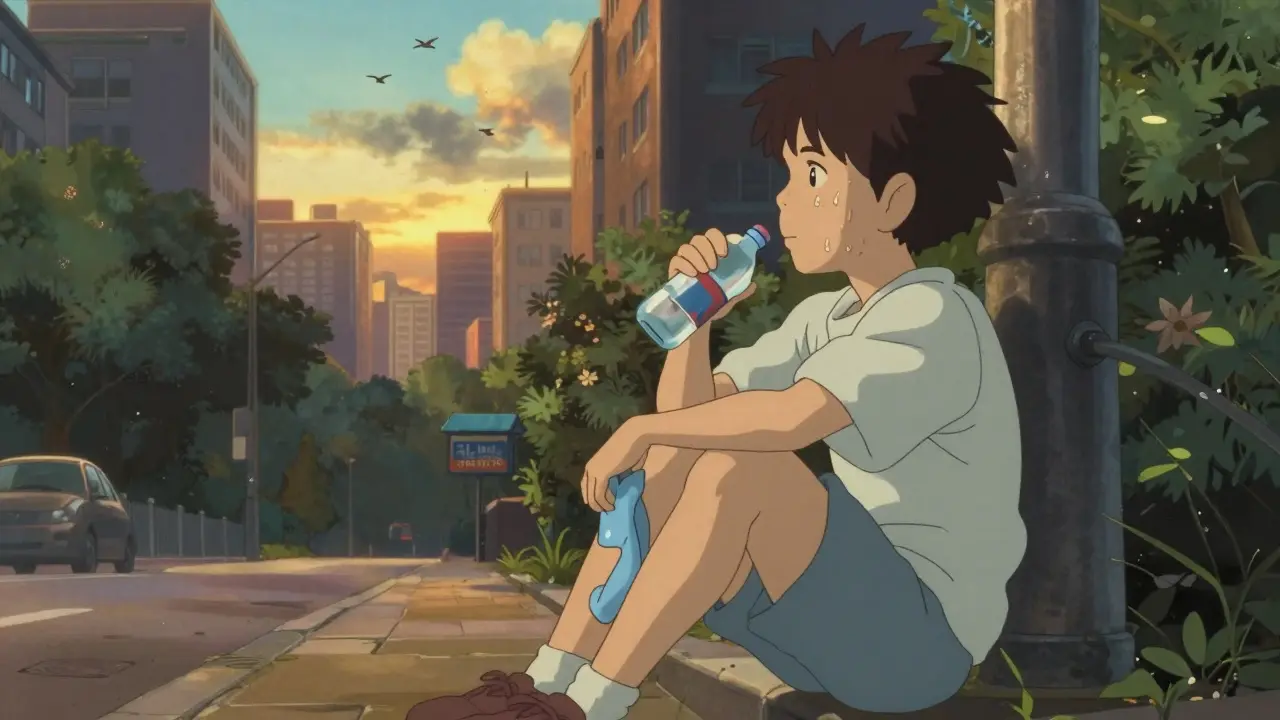
When the temperature hits 24°C (75°F) or higher, your body starts working harder just to stay cool. For most people, that means drinking more water, turning on the fan, or heading indoors. But for someone using drugs, that same heat can turn a routine use into a life-threatening emergency. Overdose risk doesn’t just rise with dosage-it rises with the weather.
In New York City, emergency responders saw a 22% spike in overdose calls during heat advisories between 2018 and 2022. In Arizona, during the 2021 heat dome, overdose deaths climbed faster than in any previous summer. This isn’t coincidence. It’s biology.
Why Heat Makes Drugs More Dangerous
Your body is a finely tuned machine. When it gets hot, it tries to cool down by sweating, increasing heart rate, and redirecting blood flow. But many drugs interfere with those natural processes.
Stimulants like cocaine and methamphetamine already push your heart rate up by 30-50%. Add heat, and that increase jumps another 10-25%. Your heart doesn’t just work harder-it starts to fail. Dehydration from heat concentrates drugs in your bloodstream. Lose just 2% of your body weight in fluids, and drug levels in your blood can spike by 15-20%. That’s like taking a second dose without realizing it.
Opioids are no safer. Heat reduces your body’s ability to compensate for slowed breathing-a key danger with opioids. Studies show respiratory compensation drops by 12-18% during heat exposure. That tiny margin between safety and suffocation disappears fast.
And it’s not just the drugs. Many medications for mental health-70% of antipsychotics and 45% of antidepressants-become less effective or more toxic in high heat. If you’re on one of these and using drugs, your body has even less ability to cope.
Who’s Most at Risk?
People experiencing homelessness make up just 0.1% of the U.S. population-but they account for 38% of those with substance use disorders, according to SAMHSA. They’re also the least likely to have access to air conditioning, clean water, or shade.
Heatwaves hit cities hardest. Urban areas can be 3-5°C hotter than nearby suburbs because of concrete, asphalt, and lack of trees. If you’re sleeping on a sidewalk in Sydney, Melbourne, or Philadelphia, you’re not just dealing with the sun-you’re in a heat trap.
And here’s the cruel twist: many shelters turn people away if they’re actively using drugs. So even when the heat is deadly, safety isn’t guaranteed. In some cities, outreach workers have had cooling supplies confiscated by police. This isn’t just negligence-it’s systemic abandonment.
What You Can Do: Practical Harm Reduction Steps
You don’t need a clinic or a doctor to lower your risk. You just need to change your behavior during hot weather.
- Reduce your dose by 25-30% when temperatures climb above 24°C. Your body processes drugs differently in heat. What’s safe on a 20°C day might be lethal on a 32°C day.
- Hydrate before, during, and after. Drink one cup (8 oz) of cool water every 20 minutes. Don’t wait until you’re thirsty. Thirst means you’re already dehydrated. Avoid alcohol and caffeine-they make dehydration worse.
- Never use alone. If you’re alone and you overdose, no one finds you. Find a buddy. Even if they’re not using, they can call for help, stay with you, or administer naloxone.
- Carry naloxone and know how to use it. Naloxone saves lives. Keep it in your pocket, your bag, your car. If you’re using opioids, this isn’t optional. It’s survival.
- Find shade or cooling centers. Libraries, community centers, and some pharmacies offer free air-conditioned space during heat alerts. In Vancouver, co-located respite centers near supervised consumption sites cut heat-related overdose deaths by 34% in 2021. Ask local harm reduction groups where to go.
- Don’t rely on feeling ‘fine.’ Heat reduces your judgment by 25-35%. You won’t know you’re in danger until it’s too late. If you’re dizzy, nauseous, or confused, stop. Rest. Cool down. Call someone.
What Communities and Services Can Do
Individual action isn’t enough. Systems need to change.
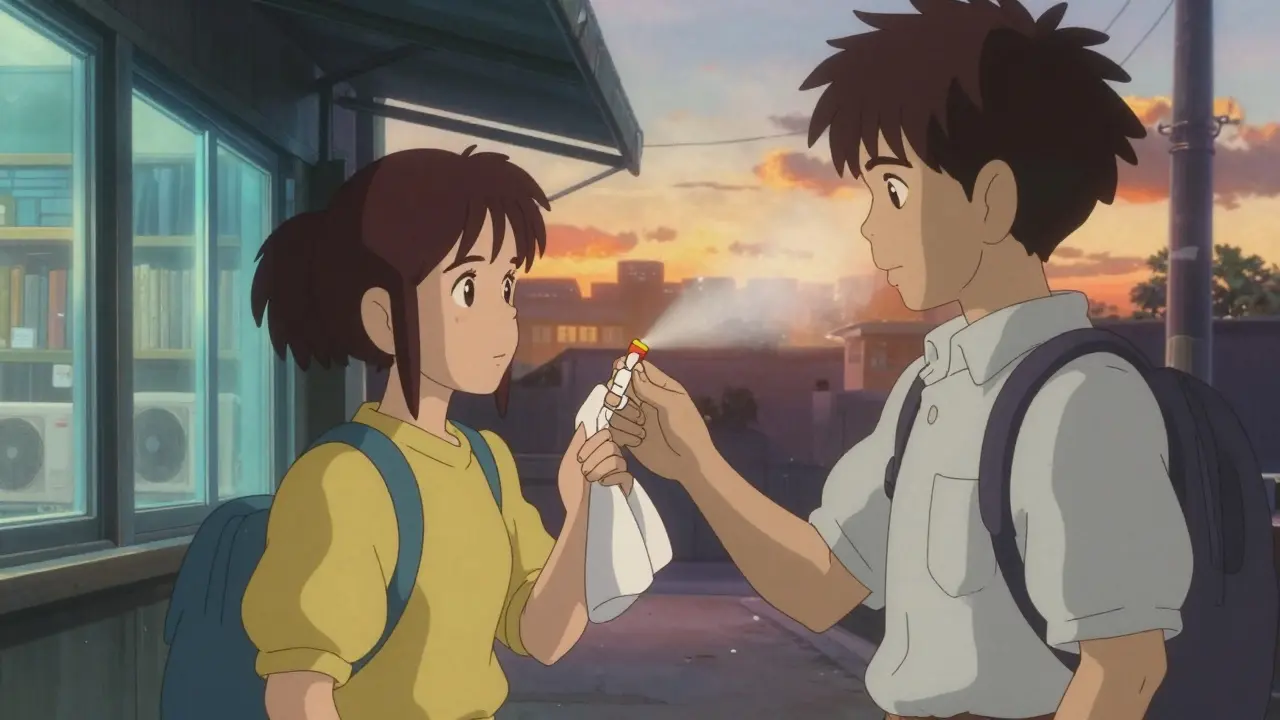
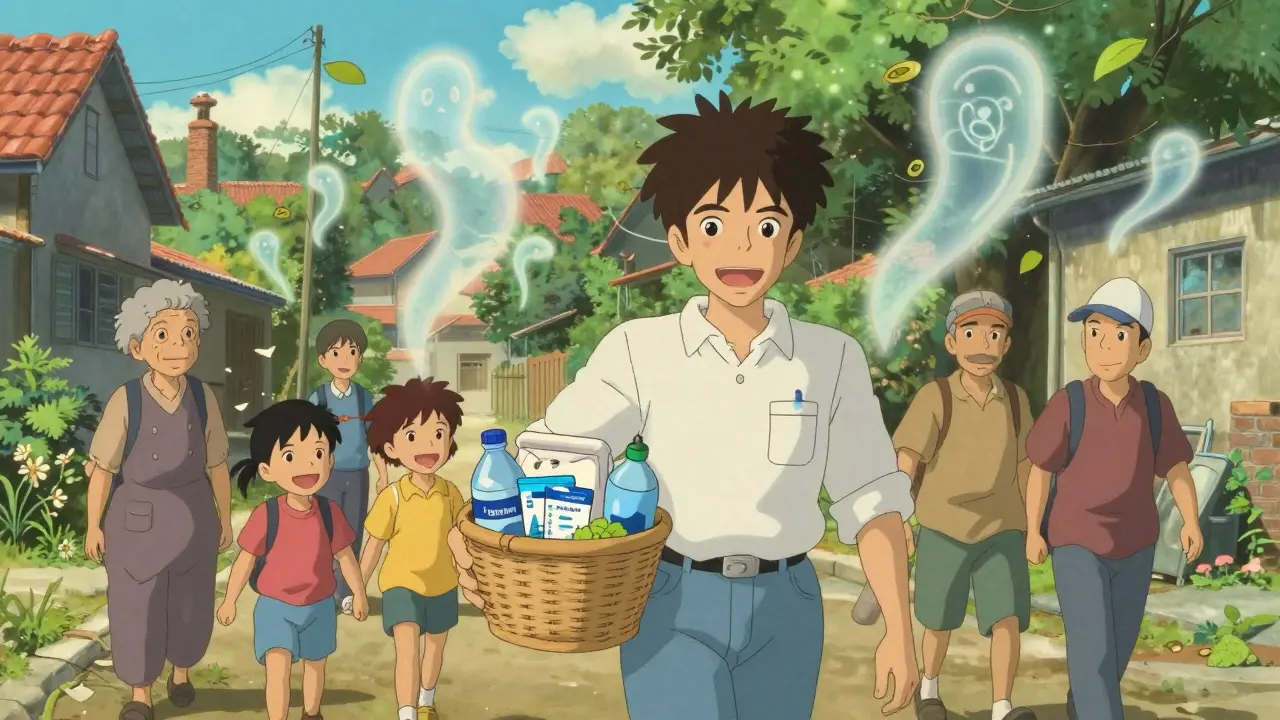
Philadelphia now hands out over 2,500 cooling kits each summer: electrolyte packets, misting towels, water bottles, and info cards. NYC’s Harm Reduction Coalition saw a 17% drop in heat-related overdose calls after training staff to offer water and hydration reminders during outreach.
In Maricopa County, Arizona, volunteers trained in naloxone use made over 12,000 wellness checks during the 2022 heat season. They found people passed out on sidewalks, in cars, under bridges. They saved lives.
But only 12 out of 50 U.S. states include drug users in their official heat emergency plans. That’s a failure. The CDC says people who use drugs make up 18-22% of heat-related ER visits. Yet most heat response plans don’t mention them at all.
By December 2025, U.S. states are required-by federal order-to include overdose risk protocols in their heat action plans. That’s progress. But it’s not enough. We need this everywhere: Australia, Canada, Europe. We need cooling centers that don’t ask questions. We need water stations on every block. We need policies that say: if you’re struggling, you deserve shelter, water, and safety-no matter what.
What’s Coming Next
Climate change isn’t slowing down. By 2050, there could be 20-30 more days each year above the 24°C overdose risk threshold. That means more heatwaves. More deaths. More grief.
Researchers are now looking at how heat changes the gut microbiome-and whether that affects how drugs are processed. Early data shows a 15-20% shift in bacterial activity during heat exposure. That could mean new warnings: avoid certain drugs on hot days, adjust doses differently based on climate zones.
For now, the science is clear: heat kills faster when drugs are involved. The tools to prevent it already exist. What’s missing is the will.
What to Do Right Now
If you use drugs:
- Check the weather forecast every morning. If it’s above 24°C, assume your body is under more stress than usual.
- Carry water. Always.
- Carry naloxone. Always.
- Call a friend before you use. Stay in contact.
- If you feel off-dizzy, nauseous, heart racing-stop. Sit down. Cool off. Don’t push through it.
If you know someone who uses drugs:
- Ask them if they’ve thought about heat safety.
- Give them water, a hat, shade.
- Teach them how to use naloxone. Practice with a trainer kit.
- Know where the nearest cooling center is. Share the info.
If you work in health, outreach, or social services:
- Include heat risk in your harm reduction materials.
- Train staff to recognize signs of heat stress in people who use drugs.
- Partner with local agencies to distribute cooling supplies.
- Push your city to include drug users in heat emergency plans.
This isn’t about judgment. It’s about survival. When the sun beats down, the body doesn’t care if you’re addicted, homeless, or struggling. It just needs water, shade, and time. We owe it to each other to make sure those things are available.
Can heat really cause an overdose even if I don’t take more drugs?
Yes. Heat doesn’t require you to take more drugs-it changes how your body handles what you’ve already taken. Dehydration concentrates drugs in your blood, your heart works harder, and your breathing slows down faster. Even your usual dose can become dangerous when it’s 35°C outside.
Is naloxone effective during heat-related overdoses?
Naloxone works the same way in heat as it does in cold-it reverses opioid overdoses by blocking opioid receptors. But heat can cause overdoses from non-opioid drugs like cocaine or meth, which naloxone doesn’t reverse. That’s why hydration, cooling, and calling emergency services are just as important.
What if I’m on medication for depression or anxiety?
Many mental health medications-especially antipsychotics and antidepressants-become less effective or more toxic in high heat. This can worsen cravings, increase side effects, or reduce your ability to stay cool. Talk to your doctor about adjusting your plan during summer months. Don’t stop your meds without guidance.
Where can I find cooling centers during a heatwave?
Check with your local public health department, library system, or harm reduction organization. In cities like Sydney, Melbourne, and Philadelphia, many public buildings open as cooling centers during heat alerts. Some supervised consumption sites also offer air-conditioned rest areas. Call 211 or visit your city’s emergency management website.
Can drinking too much water be dangerous?
Yes, but it’s rare. Drinking large amounts of plain water without electrolytes can lead to hyponatremia (low sodium), especially if you’re sweating heavily. The best approach is to sip water regularly and use electrolyte packets if available. Sports drinks are okay in moderation, but avoid sugary ones if you’re using stimulants.
Why don’t shelters let people who use drugs in during heatwaves?
Many shelters have policies against drug use on-site, fearing liability or disruptions. But this leaves people with nowhere to go when it’s deadly outside. Some cities are changing this-Vancouver, for example, allows drug use in designated areas of cooling centers. The solution isn’t to ban people-it’s to provide safe, supervised spaces where care and safety come first.

Casper MacIntyre
Hello, my name is Casper MacIntyre and I am an expert in the field of pharmaceuticals. I have dedicated my life to understanding the intricacies of medications and their impact on various diseases. Through extensive research and experience, I have gained a wealth of knowledge that I enjoy sharing with others. I am passionate about writing and educating the public on medication, diseases, and their treatments. My goal is to make a positive impact on the lives of others through my work in this ever-evolving industry.
8 Comments
-
Chandreson Chandreas
December 31, 2025 AT 02:58Heat + drugs = silent killer 🌞💀 I used to think it was just about dosage... until my cousin didn’t wake up after a 38°C day. Your body ain’t a machine-it’s a candle in a storm. Hydrate. Chill. Don’t be proud. 🙏💧
-
Darren Pearson
December 31, 2025 AT 04:27While the sentiment is commendable, the article lacks rigorous epidemiological controls. The correlation between ambient temperature and overdose mortality is confounded by socioeconomic variables, access to healthcare infrastructure, and polysubstance use patterns. Without multivariate regression analysis, such claims risk being reductionist and misleading.
-
Retha Dungga
January 1, 2026 AT 07:31so like... if the sun is hot and your brain is fried what even is the difference anymore lol 🤷♀️🌞💊 maybe we just all need to chill out and let nature take its course idk
-
Jenny Salmingo
January 2, 2026 AT 05:41I just want everyone to be safe. If you’re out there in the heat, please drink water. Even a little. And if you’re worried about someone, just ask. No judgment. Just care. 💙
-
Aaron Bales
January 2, 2026 AT 20:42Naloxone in every pocket. Water in every bag. Buddy system. No exceptions. This isn’t optional. It’s basic survival. And if you’re a service provider-stop waiting for permission. Start handing out cooling kits today.
-
Lawver Stanton
January 3, 2026 AT 06:40Okay but let’s be real-why are we even having this conversation? Why are people still sleeping on concrete in 2024? Why are shelters turning away people who are already suffering? This isn’t about ‘harm reduction’-this is about systemic cruelty wrapped in a public health pamphlet. I’ve seen cops confiscate water bottles from homeless folks during heatwaves. That’s not negligence. That’s murder by bureaucracy. And the fact that we’re still talking about ‘tips’ instead of demanding housing, universal healthcare, and decriminalization means we’ve already lost. We’re not saving lives-we’re just polishing the coffin.
-
Sara Stinnett
January 3, 2026 AT 06:47This entire piece reads like a poorly researched pamphlet from a do-gooder NGO. You blame heat? The real problem is moral decay and personal irresponsibility. If people would just stop using illegal substances, none of this would matter. And don’t get me started on ‘cooling centers’-why should taxpayers fund sanctuaries for self-destructive behavior? This isn’t compassion. It’s enabling. The body doesn’t care if you’re addicted? Fine. Then let nature weed out the weak. Survival of the fittest still applies, even in a heatwave.


Write a comment
More Articles
The Hidden Wonders of White Hellebore: Unleash the Power of This Superstar Dietary Supplement
In my latest blog post, I've explored the hidden wonders of White Hellebore, a powerful dietary supplement that not many people know about. Known for its numerous health benefits, White Hellebore has been used for centuries as a natural remedy for various ailments. I've discussed how this superstar supplement can help with digestion, boost our immune system, and promote overall wellbeing. I've also shared some tips on how to safely incorporate White Hellebore into your daily routine. Don't miss out on discovering the untapped potential of this amazing plant!
Generic Immunosuppressive Combinations for Transplant Patients: Cost-Saving Options That Work
Generic immunosuppressive combinations now make lifelong transplant care affordable without sacrificing safety. Learn how tacrolimus, MMF, and sirolimus generics work, their real cost savings, and why careful monitoring is essential.
Bennett Ryynanen
December 30, 2025 AT 16:42Bro. This is life or death. I’ve seen guys pass out on the sidewalk in Philly when it hits 90+. You think you’re fine? Nah. Your body’s screaming for water and you’re too high to hear it. Carry naloxone. Always. And tell your crew. No one dies alone if we’ve got each other’s backs.