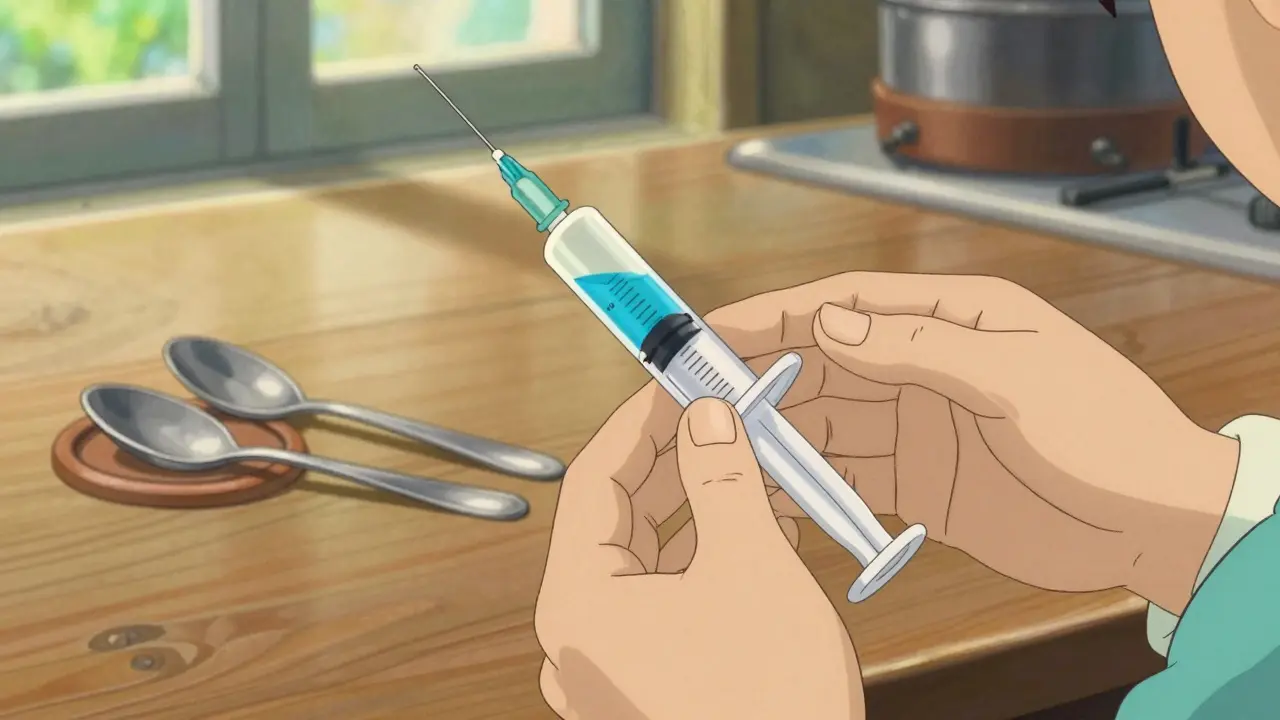
Medication Safety Unit Converter
Weight Converter
Medical calculations require precision. Converting pounds (lbs) to kilograms (kg) eliminates calculation errors.
Volume Risk Checker
Why kitchen spoons are dangerous. See the variance below.
Did you know that medication errors happen three times more often in children than in adults? It sounds shocking, but the numbers don't lie. Every year, about 50,000 children under the age of five end up in emergency departments because they got hold of medicine they shouldn't have. When you think about your own medicine cabinet, do you feel completely confident that every bottle is out of sight? Pediatric Medication Safetyis a specialized field of practice focused on preventing harm during drug administration in patients under 18, accounting for unique developmental and physiological factors. It is not just about giving the right pill; it is about understanding that a child's body processes chemicals differently than yours or mine.
Why Children's Bodies React Differently
The biggest misconception parents and even some caregivers have is assuming a child is just a small adult. Their internal systems are still building. For example, renal function-the ability of kidneys to filter waste-is not fully developed until late childhood. This changes how long a drug stays in their system. If you give an adult dose scaled down simply by size, you might miss the mark because their liver metabolizes the substance slower. The American Academy of PediatricsAAP has published foundational guidelines noting that immune systems, renal functions, and hepatic functions in children make them less tolerant of mistakes. Imagine trying to run a complex factory on half-powered machinery; one wrong input can cause a total shutdown.
Weight variability is another massive factor. An infant might weigh just 1 kilogram, while a teenager approaches 60 kilograms. That is a sixty-fold difference in potential dosing range. In contrast, the difference between two average adults is much smaller. Because of this wide spread, precise calculation is non-negotiable. Many studies suggest that pound-to-kilogram conversion errors remain one of the most dangerous calculation mistakes in pediatric care. If you are measuring at home, relying on grams or pounds creates a foggy picture. Kilograms provide the clarity needed for accuracy.
The Math Behind Common Errors
You might think you are doing things right by using kitchen spoons, but here is where safety goes sideways fast. Using a teaspoon instead of a milliliter results in a five-fold overdose. Since one teaspoon equals 5 mL, pouring one full spoon when the doctor ordered 1 mL is dangerous. Similarly, confusing tablespoons and teaspoons creates a three-fold overdose. These aren't theoretical risks; they are documented causes of multi-fold overdoses found in hospital reports.
Even the smallest containers matter. Adults sometimes intentionally remove pills from original packaging to carry them in pill organizers. Research shows that 45% of pediatric pill ingestions involved medications removed from child-resistant containers. When parents try to make it easy on themselves, they inadvertently make it deadly for a curious toddler who treats loose pills like candy. The CDC PROTECT InitiativePreventing Overdoses and Treatment Errors in Children Taskforce emphasizes that teaching children about medicine safety starts early, but never calling medicine "candy" is the rule to follow absolutely.
| Mistake Type | Risk Factor | Safety Solution |
|---|---|---|
| Using Kitchen Spoons | Variable volume measurements | Use calibrated oral syringes |
| Pound to Kilogram Error | Calculation failure | Always weigh in kg only |
| Adult Formulations | Inaccurate concentrations | Request pediatric liquid forms |
Hospital Protocols vs. Home Realities
When you see a doctor, there are layers of protection. However, facilities with fewer than 100 pediatric patients annually have 3.2 times higher error rates than pediatric specialty hospitals. This highlights the importance of setting matters. Standardizing concentrations of high-risk medications helps reduce confusion. Hospitals implement "kilogram-only dosing rules" and create distraction-free zones for medication preparation. As a parent or caregiver, you might not control the hospital environment, but you can advocate for a double-check of high-alert medications by two independent providers.
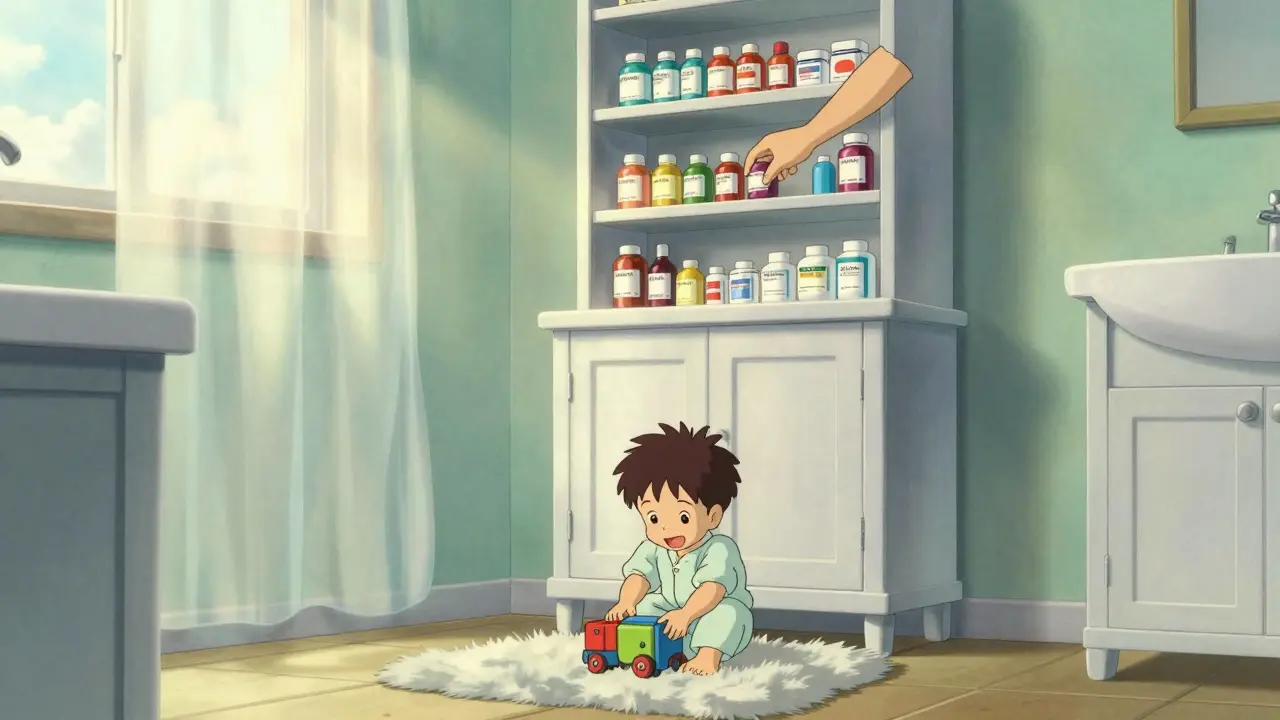
At home, the responsibility shifts entirely to the guardian. The University of Michigan Pediatric Trauma Center notes that products like diaper rash remedies, vitamins, or eye drops account for 20% of pediatric poisoning cases reported to poison control centers. Parents often leave these in plain sight on bathroom counters thinking, "This isn't real medicine." To a child under two, any shiny capsule looks like a treat. Storing everything in locked boxes or high cabinets is essential because 60% of emergency department visits for pediatric poisoning involve children under 2 accessing medicine left within reach.
High-Risk Medications to Watch
Not all medicines carry the same threat level. Certain classes require heightened vigilance. Opioids are a primary concern, but heart medications, diabetes drugs, and even prenatal vitamins can be fatal for babies in very small doses. Sometimes a single pill or two is enough to cause severe toxicity. The Joint Commission's sentinel event database identifies weight-based dosing errors as the leading cause of serious pediatric medication incidents, representing 42% of reported events. You need to know which meds in your house fall into this category.
Another hidden risk involves over-the-counter cough or cold medicines. Current evidence states these are not recommended for children under age six and should never be used in children under two. Yet, many parents keep them in the pantry hoping to treat a seasonal sniffle quickly. Adhering to age restrictions prevents unnecessary side effects that young bodies cannot handle.
Effective Storage and Communication Strategies
It is time to look at your storage habits. Picking a place that children cannot reach or see is the first step. The CDC advises storing all medicine "up and away." But here is the trick: 75% of cases involve locations parents thought were safe but were still reachable. You need a high shelf that requires an adult chair to access. Furthermore, child-resistant closures only work if closed correctly. Lovegrove's study showed children can open incompletely closed bottles in under 30 seconds. Snap the cap hard until you hear the click every single time.
Communication with healthcare providers is just as vital as the storage. Ask for pictogram-based dosing instruction sheets. Studies show these improve correct dosing by 47% in populations with low health literacy. Teach-back methods are powerful; ask the pharmacist or nurse to repeat instructions back to you. Advanced counseling reduces errors by 35%. When you pick up a prescription, do not just nod and walk away. Confirm exactly how much should be given and when it should be administered.
Emergency Preparedness Checklist
Being prepared can save a life before you even leave the room. Program the Poison Help number (800.222.1222) into your home and cell phones immediately. Keep the original labeling on the bottle. Never crush tablets unless specifically directed, as breaking coatings can change how the drug releases. Finally, keep a running inventory of what medications you actually have, especially if you share medicine with other family members. A pill organizer box is convenient for adults but dangerous for families with kids.
How do I measure liquid medicine accurately?
Never use kitchen spoons. Always ask for a calibrated oral syringe or a standardized delivery device dispensed with the medication. Ensure you read the markings at eye level to avoid parallax errors.
What is the safest way to store vitamins?
Treat vitamins exactly like prescription medicine. They are toxic in large doses. Store them in a locked box or on a high shelf that toddlers cannot climb to, and always tighten the cap securely.
Can I crush a pill if my child won't swallow it?
Only do this if the package insert says it is safe. Some extended-release coatings prevent rapid release of too much drug at once. Crushing breaks this barrier and can lead to overdose.
When should I call poison control?
Call immediately if you suspect ingestion, even if the child seems fine. Symptoms can be delayed. Bring the bottle to the hospital so professionals know exactly what chemical was ingested.
Are over-the-counter cough medicines safe for toddlers?
No. Current guidelines recommend against using these in children under six years old due to lack of efficacy and higher risk of side effects compared to benefits.
Next Steps for Safer Homes
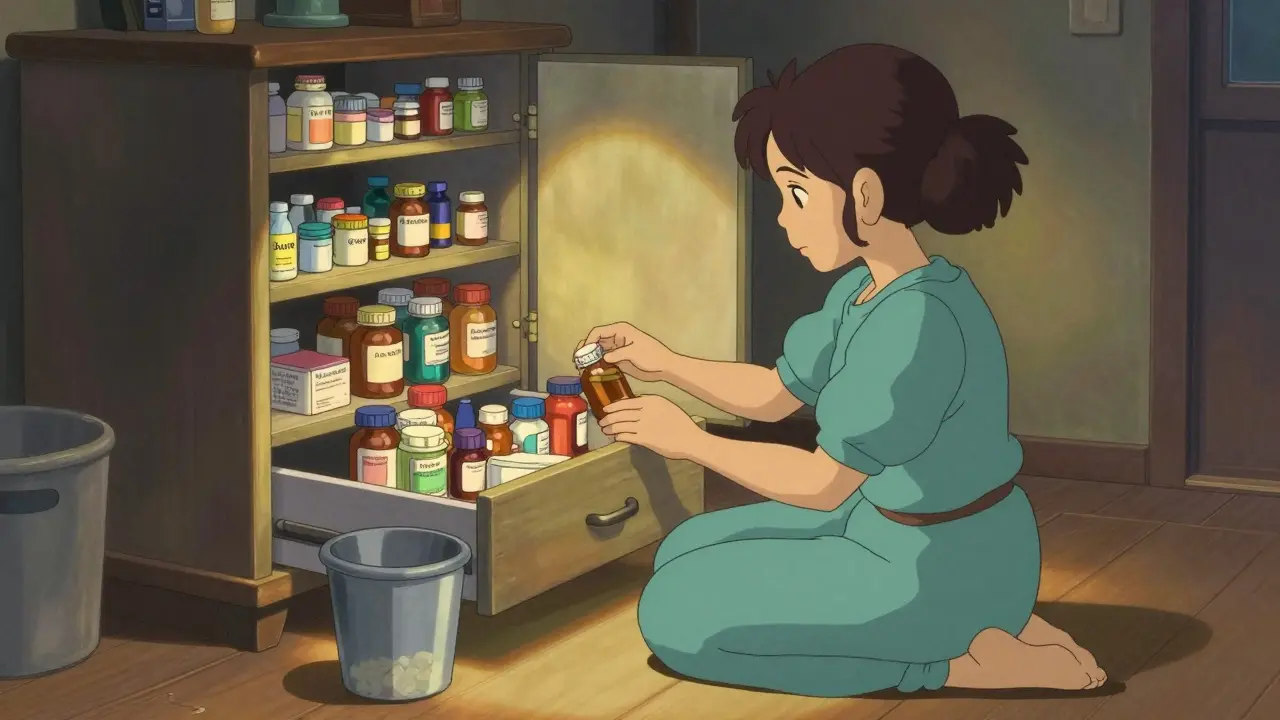
Moving forward, audit your medicine cabinet this week. Throw out expired prescriptions and consolidate loose pills back into their original containers. Talk to your pediatrician about specific weight-based formulas for any chronic conditions your child manages. Remember, safety is a routine, not a one-time fix. By standardizing how you handle, measure, and store medicines, you significantly lower the risk of accidental harm. Knowledge is your best tool in preventing the silent threats lurking in everyday household items.

Casper MacIntyre
Hello, my name is Casper MacIntyre and I am an expert in the field of pharmaceuticals. I have dedicated my life to understanding the intricacies of medications and their impact on various diseases. Through extensive research and experience, I have gained a wealth of knowledge that I enjoy sharing with others. I am passionate about writing and educating the public on medication, diseases, and their treatments. My goal is to make a positive impact on the lives of others through my work in this ever-evolving industry.
11 Comments
-
Goodwin Colangelo
April 3, 2026 AT 03:01It's important to use calibrated oral syringes. Converting pounds to kilograms accurately prevents errors. Many caregivers miscalculate doses because they mix units. Always double-check with your pharmacist. They provide exact measurements for liquid meds. If your child weighs 10kg, the dose should match that precisely. Never estimate volumes with household items. Even a slight mistake can be dangerous. Hospitals standardize concentrations for safety. Parents should request the same clarity at home. Keep all bottles in original containers. Locks aren't optional-they're essential. Teach kids early about medicine safety. Avoid calling pills candy ever. Regular audits of your cabinet help spot risks. Stay proactive, not reactive.
-
Brian Shiroma
April 4, 2026 AT 03:06Oh great more rules for stressed parents. Who actually has time for locked boxes? My toddler figures those out anyway. Just hope the poison control number works. Because apparently storing meds safely isn't enough anymore. Guess the AAP missed that detail.
-
Dee McDonald
April 5, 2026 AT 19:51LET'S TALK REALITY HERE!! Many parents DON'T HAVE LOCKED BOXES. You think everyone can afford those? Some people rent cheap apartments. The shelves break, toddlers climb anyway. Why blame parents for systemic failures?! Hospitals mess up dosing too! Stop acting like storage fixes all problems. We need BETTER education. FREE resources for low income families. Not just warnings. ACTION NEEDED NOW!!!
-
Will Baker
April 7, 2026 AT 02:50Wow you sound like you never met a kid who climbed cabinets. My child figured out locks in minutes. Storage advice feels useless. Kids are smarter than adults give credit. Maybe focus on better meds design. Or stop pretending spoon measurements are the only risk. Oh and congrats on surviving your own parenting.
-
Sam Hayes
April 7, 2026 AT 17:59My cousin had an incident with leftover antibiotics. She thought the colorful bottles looked like juice. We store everything now in a locked box. Kids will explore anything bright or new. Even multivitamins need secure storage. One pill can do harm quickly. Better safe than sorry always. The doctor gave us a special measuring tool. Using spoons from the kitchen is risky business. Always check expiration dates monthly. Safety habits save lives every day.
-
simran kaur
April 8, 2026 AT 11:07Their real motive is control disguised as safety protocols. Big Pharma profits from frequent prescriptions. Locks don't stop determined children. Government overreach in domestic spaces. We should demand transparency in drug formulations. Instead they push convenience measures. Follow the money trail behind these recommendations.
-
HARSH GUSANI
April 8, 2026 AT 23:09Our country teaches responsibility differently. Indian households manage better 🇮🇳. Western parents too dependent on products. Lockboxes cost money poor people lack. Focus on parenting discipline not expensive gadgets. Kids learn respect for medicines through strict teaching. 💪
-
Jenna Carpenter
April 9, 2026 AT 21:12you alwys blame parents for evrything its like they r dumb or smth. locking boxes isnt hard if ur not lazy. maybe its ur attitude thats the problem. dont act like u know parenting better. 😤
-
Rachelle Z
April 10, 2026 AT 01:05OMG! Finally SOMEONE talks about the spoon issue!!!! Everyone keeps saying “just use what’s available” BUT that’s SO DANGEROUS!!! 👀💊🚫 Did u know a tsp is NOT a ml??!!! This needs to go VIRAL!!!!
-
Sakshi Mahant
April 11, 2026 AT 03:01In our village, elders teach children about herbs safely. Modern medicine requires similar respect. Storage solutions should be affordable universally. Community workshops could help spread awareness beyond pamphlets.


Write a comment
More Articles

Liability and Indemnification in Generic Transactions: What You Need to Know
Indemnification in commercial transactions shifts financial risk between parties through contract clauses. Learn how liability protection works, what triggers payouts, and how to negotiate fair terms to avoid costly surprises.

Joseph Rutakangwa
April 1, 2026 AT 19:17Kitchen spoons lead to overdoses-use syringes instead.