Chemotherapy Side Effects: What to Expect and How to Manage Them
When you start chemotherapy, a treatment that uses powerful drugs to kill cancer cells. Also known as chemo, it’s one of the most common ways to fight cancer—but it doesn’t just target cancer. It affects fast-growing cells in your body, which is why side effects happen. Not everyone gets the same side effects, and not everyone gets them badly. But if you’re starting chemo, knowing what to expect helps you feel less scared and more in control.
One of the most common issues is nausea, a feeling of sickness that can hit hours or even days after a chemo session. It’s not just mild upset stomach—it can make eating, sleeping, and even sitting up hard. The good news? Modern anti-nausea drugs work much better than they used to. Some people need just one pill. Others need a combo. Your team will adjust it until it fits you.
Then there’s fatigue, a deep, bone-tired exhaustion that doesn’t go away with rest. It’s not like being tired after a long day. It’s like your body ran a marathon every single hour for weeks. You might sleep 10 hours and still feel drained. This isn’t laziness—it’s your body using every bit of energy just to keep going. Simple things like short walks, naps before 3 p.m., and cutting back on chores can help you stretch your energy thinner.
Other side effects like hair loss, mouth sores, and changes in taste are real—but usually temporary. Hair comes back, even if it’s different at first. Mouth sores can be managed with saltwater rinses and soft foods. Taste changes? Try cold or room-temperature meals. Many people say food tastes metallic or like cardboard, but lemon water, mint, or even sucking on hard candy can reset your palate.
Some side effects are less talked about but just as important. low blood counts, which raise your risk of infection, bruising, or feeling winded, are tracked with regular blood tests. If your white blood cells drop too low, your chemo might be paused or adjusted. That’s not a failure—it’s safety in action.
And then there’s the emotional toll. Anxiety, sadness, or feeling like you’ve lost control are normal. You’re not weak for feeling this way. Talking to someone who’s been through it—whether a counselor, a support group, or even a friend who listens without fixing—makes a bigger difference than most people realize.
What you’ll find below isn’t just a list of symptoms. It’s a collection of real, practical advice from people who’ve lived through chemo and the experts who help them. You’ll read about what actually works to ease nausea, how to spot dangerous fatigue versus normal tiredness, why some people lose their hair and others don’t, and what to do when your body feels like it’s betraying you. These aren’t generic tips. They’re the kind of things you wish someone had told you before day one.
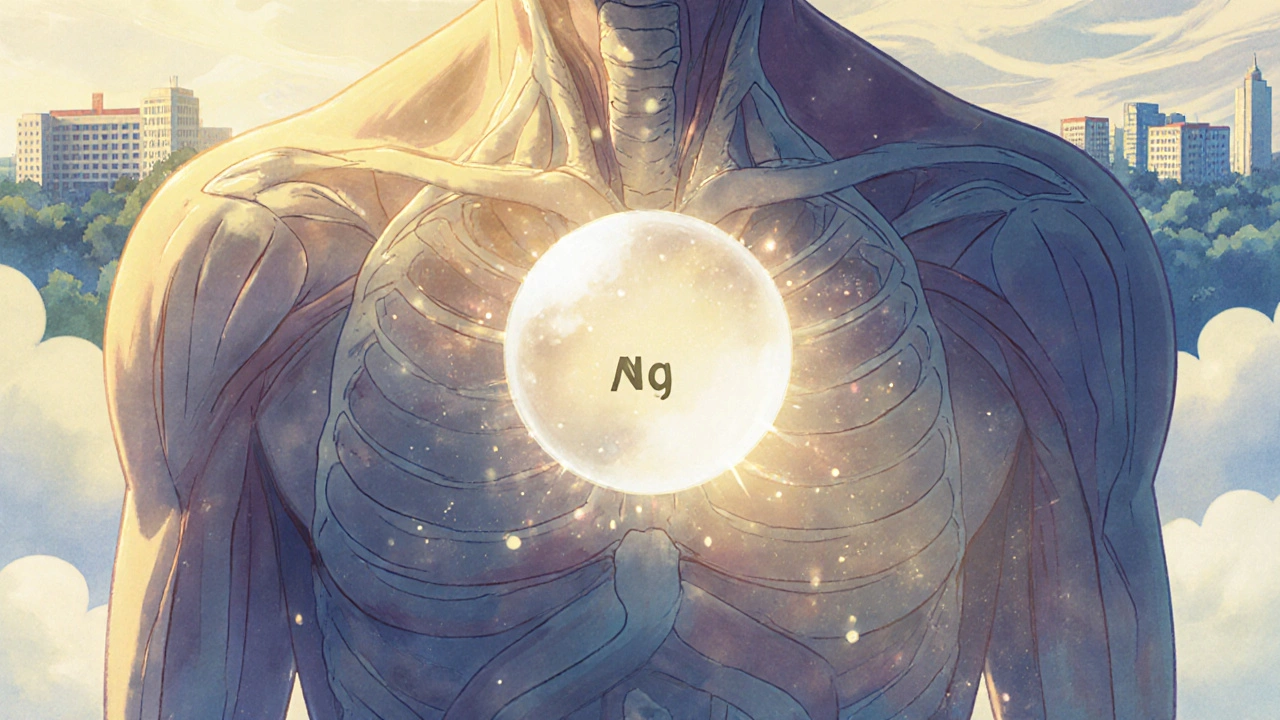
Chemotherapy: How Cytotoxic Drugs Work and Common Side Effects
Chemotherapy uses cytotoxic drugs to kill fast-dividing cancer cells, but it also affects healthy tissues, causing side effects like fatigue, hair loss, and nausea. Learn how it works, why it's still essential, and how modern care helps manage its impact.