Pharmacist-Led Care: What It Is and How It Improves Your Medication Safety
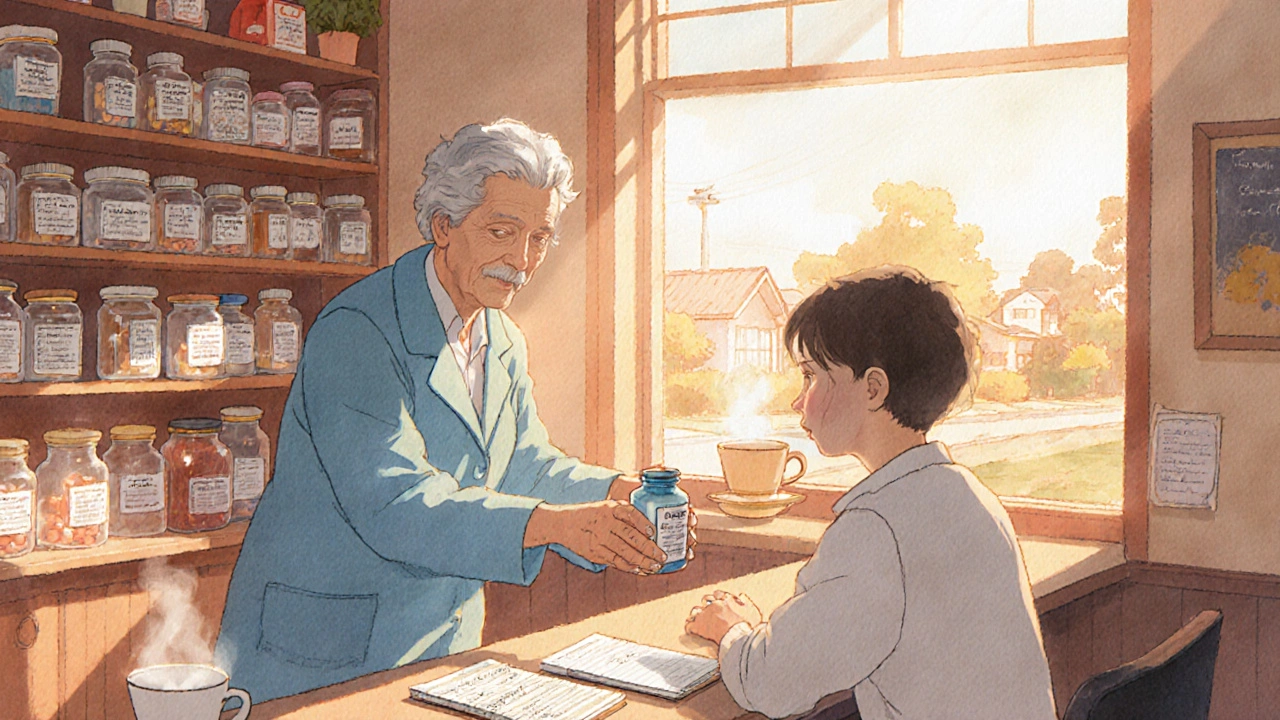
When you think of a pharmacist, you probably picture someone handing you a pill bottle. But pharmacist-led care, a model where pharmacists take an active role in managing your medications and health outcomes. Also known as clinical pharmacy services, it’s when your pharmacist checks your whole drug list, spots dangerous interactions, adjusts doses for kidney or liver issues, and sits down with you to explain exactly how and why you’re taking each medicine. This isn’t theory—it’s happening in clinics, hospitals, and even your local pharmacy, and it’s cutting hospital visits by up to 30% in real-world studies.
Pharmacist-led care doesn’t just happen in big medical centers. It’s built into everyday moments: when your pharmacist notices you’re on five blood pressure pills and asks if you’re dizzy, when they spot that your diabetes drug clashes with your new antibiotic, or when they walk you through why your new antidepressant takes weeks to work instead of telling you to just "take it as directed." It’s the difference between getting a script and getting a plan. And it’s especially powerful for people managing chronic conditions like diabetes, heart disease, or epilepsy—conditions covered in posts like hypoglycemia from diabetes medications, carbamazepine and birth defects, and cilostazol for intermittent claudication. These aren’t random topics—they’re exactly the kinds of complex, long-term drug regimens where pharmacist-led care makes the biggest difference.
It’s not just about avoiding bad reactions. It’s about making sure you actually take your meds the right way. Think about pharmacy delivery and mail-order services—they’re convenient, but if no one checks if you understand what those pills are for, you might still miss doses or mix them up. That’s where pharmacist-led care steps in. Pharmacists are the only health pros trained to know how every drug interacts with every other drug, every food, every supplement, and every condition you have. They see the full picture when doctors are rushed and nurses are stretched thin. And they’re the ones who catch contamination risks in generic drugs, explain why opioid itching isn’t always an allergy, or warn you about delayed medication side effects that show up weeks later.
Pharmacist-led care also tackles what most people don’t realize: your medical history matters more than your prescription. If you’ve had liver disease, kidney trouble, or taken ten different drugs in the past five years, your risk for side effects goes up fast. That’s why medication safety isn’t just about the pills—it’s about the person taking them. And pharmacists are the only ones whose whole job is to match the drug to the patient, not just the diagnosis.
What you’ll find below isn’t a list of random drug guides. It’s a collection of real problems people face when managing meds—and how pharmacist-led care solves them. From spotting hidden dangers in acetaminophen dosing for liver patients, to understanding why generic drug approval standards matter, to knowing when to question a drug interaction you were told was harmless—every post here ties back to one thing: you deserve care that’s as smart as your medicine is complex.
Cost-Saving Strategies While Maintaining Medication Safety
Learn how to cut medication costs without risking your health. Discover proven strategies like using generics, mail-order pharmacies, pharmacist-led care, and the PBS Safety Net to save money while staying safe.