
If you’ve been prescribed cilostazol, you’re probably wondering what it actually does, how to take it right, and what to watch out for. You’re not alone. Many patients start this medication without clear answers-until they feel side effects or miss a dose and panic. This guide cuts through the noise. No fluff. Just what you need to know to use cilostazol safely and effectively.
What is cilostazol and why are you taking it?
Cilostazol is a medication that improves blood flow in your legs. It’s not a painkiller. It doesn’t numb anything. Instead, it works by relaxing the muscles in your blood vessels and preventing platelets from sticking together. This helps your blood move more freely through narrowed arteries-especially in people with intermittent claudication.
Intermittent claudication means your legs hurt when you walk, and the pain goes away when you rest. It’s caused by peripheral artery disease (PAD), where plaque builds up in the arteries that supply your legs. Over time, this can make walking difficult. Cilostazol doesn’t remove the plaque, but it helps your body work around it. Studies show that patients taking cilostazol can walk about 25-50% farther before pain sets in, compared to those on a placebo.
How to take cilostazol: Timing and food matter
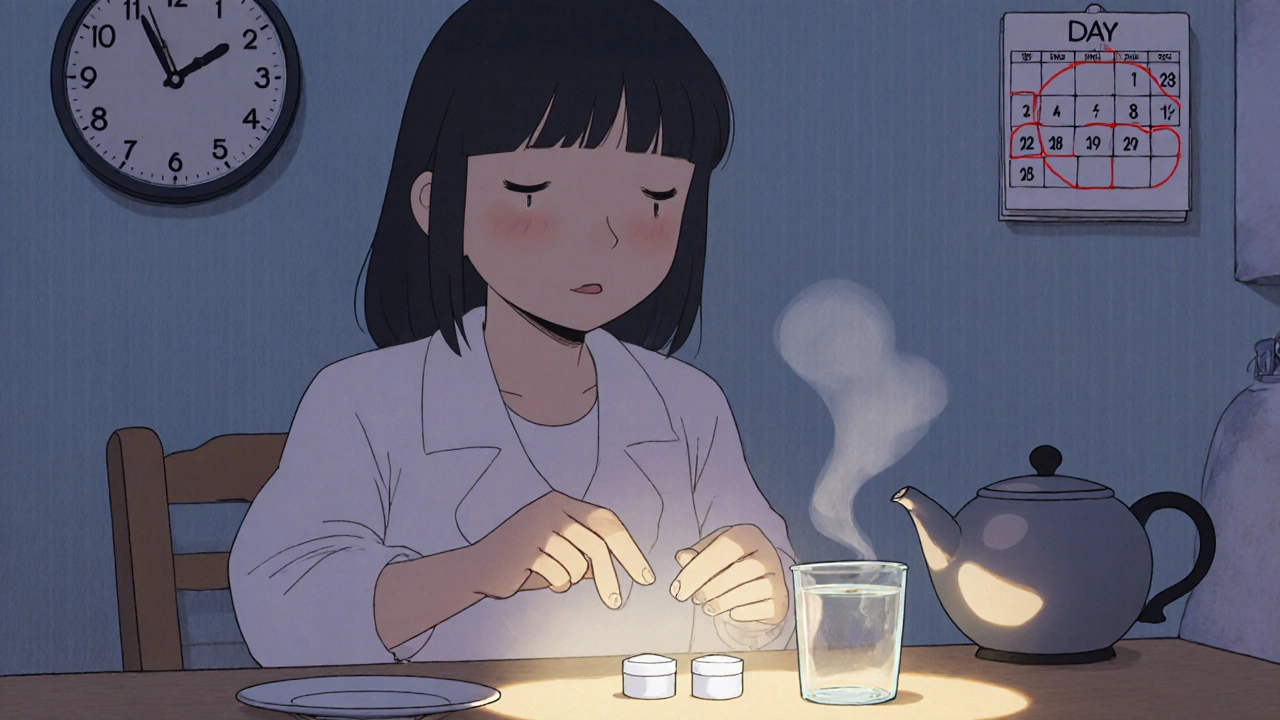
There’s one rule you can’t ignore: take cilostazol on an empty stomach. That means at least 30 minutes before or 2 hours after eating. Why? Food, especially fatty meals, can cut how much of the drug your body absorbs by up to 50%. If you take it with breakfast, you might as well not take it at all.
The standard dose is 100 mg twice a day. That’s two pills-one in the morning, one in the evening. Don’t double up if you miss a dose. If you forget, skip it and take your next dose at the regular time. Taking extra pills won’t help and could raise your risk of side effects like headaches or diarrhea.
Some people feel dizzy or lightheaded when they first start. That’s normal. It usually fades after a week or two. If it doesn’t, talk to your doctor. Don’t stop the medication without checking in first.
Common side effects-and what to do about them
Most people tolerate cilostazol fine, but side effects are common. Here’s what you’re likely to notice:
- Headache - Happens in up to 30% of users. Usually mild. Drink water, rest, and it often fades.
- Diarrhea - Around 20% of people. Avoid spicy or greasy foods. If it lasts more than 3 days, call your doctor.
- Heart palpitations - You might feel your heart race or skip a beat. This is because cilostazol can slightly speed up your heart rate. If it feels abnormal or you get chest pain, get checked.
- Dizziness or nausea - Often tied to low blood pressure. Stand up slowly. Don’t drive or operate heavy machinery until you know how it affects you.
These side effects don’t mean the drug isn’t working. In fact, they often mean it is. But if any symptom becomes severe or persistent, don’t wait. Contact your healthcare provider.
Who should NOT take cilostazol
This isn’t a medication for everyone. There are clear red flags:
- Heart failure - Cilostazol can worsen it. If you’ve been told you have moderate to severe heart failure, this drug is off-limits.
- Bleeding disorders - Since cilostazol stops platelets from clumping, it increases bleeding risk. If you have ulcers, recent surgery, or are on blood thinners like warfarin or apixaban, talk to your doctor first.
- Allergy to cilostazol - Rash, swelling, trouble breathing? Stop immediately and seek help.
- Severe liver disease - Your liver breaks down cilostazol. If it’s not working right, the drug can build up to dangerous levels.
Also, don’t take it with certain antibiotics (like clarithromycin or ketoconazole) or antifungal drugs. They can spike cilostazol levels in your blood and cause serious reactions.
What to expect over time
Don’t expect miracles in a week. Cilostazol works slowly. Most people notice improved walking distance after 4-8 weeks. Keep a journal: write down how far you walk before pain hits, how often you stop, and how you feel overall. Bring it to your next appointment. That data helps your doctor decide if the dose needs adjusting-or if you need a different approach.
Some patients stay on cilostazol for years. Others switch to other treatments if their condition changes. Your doctor might suggest adding exercise therapy, quitting smoking, or controlling blood pressure and cholesterol. Cilostazol works best when it’s part of a bigger plan.
Drug interactions you can’t ignore
Many common medications can clash with cilostazol. Here’s the short list of ones that can be dangerous:
- Strong CYP3A4 inhibitors - Clarithromycin, itraconazole, grapefruit juice. These slow down how your body clears cilostazol, raising the risk of side effects.
- Anticoagulants - Warfarin, rivaroxaban, dabigatran. Combining them increases bleeding risk.
- NSAIDs - Ibuprofen, naproxen. These can raise your risk of stomach bleeding, especially with cilostazol’s antiplatelet effect.
- Other antiplatelet drugs - Aspirin, clopidogrel. Used together, they may increase bleeding without adding much benefit.
Always tell every doctor or pharmacist you see that you’re taking cilostazol-even if they’re treating your toothache or allergies. Many don’t know it’s a blood flow drug, not just a “leg pain pill.”
What to do if you need surgery
If you’re scheduled for any kind of surgery-even a dental extraction-you need to tell your surgeon you’re on cilostazol. Because it affects platelets, your surgeon may ask you to stop it 5-7 days before the procedure to reduce bleeding risk. Don’t stop it on your own. Follow their exact instructions. Restarting too soon can increase the risk of blood clots.

When to call your doctor right away
These signs mean you need medical help immediately:
- Sudden chest pain or pressure
- Unexplained bruising or bleeding (nosebleeds, blood in stool or urine)
- Swelling in your legs, ankles, or abdomen
- Shortness of breath that’s worse than usual
- Severe dizziness or fainting
These could signal heart problems, internal bleeding, or fluid buildup. Don’t wait. Call your doctor or go to the emergency room.
Real-life tips from patients
People who stick with cilostazol long-term often share these tricks:
- Set phone alarms for morning and evening doses. Missing doses is the #1 reason it doesn’t work.
- Keep a small bottle of water and a snack handy. Take your pill 30 minutes before eating, not after.
- Walk daily-even 10 minutes helps. Exercise makes cilostazol more effective.
- Don’t drink grapefruit juice. It’s not just a myth-it’s dangerous with this drug.
- Use a pill organizer. Many patients say it’s the only thing that kept them on track.
One patient in Sydney, 68, started taking cilostazol after walking only 200 meters before leg pain forced him to stop. After 3 months, he was walking 800 meters without stopping. He credits the drug-but also his daily 15-minute walks around the block. Cilostazol helps. But it doesn’t replace movement.
Can I take cilostazol with aspirin?
You can, but only if your doctor says so. Taking both together increases bleeding risk without always giving better results. Many patients with PAD take low-dose aspirin for heart protection, and cilostazol for leg symptoms. Your doctor will weigh the benefits against the risks based on your history.
How long does it take for cilostazol to start working?
You won’t feel immediate relief. Most patients notice improved walking distance after 4 to 8 weeks. Some take up to 12 weeks. It’s not a quick fix. Consistency matters more than dose spikes. Keep taking it even if you don’t feel better right away.
Does cilostazol cause weight gain?
No, weight gain isn’t a known side effect of cilostazol. In fact, some people lose a little weight because they feel better and move more. If you notice sudden weight gain, especially with swelling or shortness of breath, it could signal heart or kidney issues-contact your doctor.
Can I drink alcohol while taking cilostazol?
Moderate alcohol is usually fine, but heavy drinking can worsen side effects like dizziness and low blood pressure. Alcohol also irritates your stomach lining, which combined with cilostazol’s effects, could increase bleeding risk. Stick to one drink a day, if at all.
Is cilostazol safe for older adults?
Yes, but older adults are more sensitive to side effects like dizziness and heart rate changes. Doctors often start with the same 100 mg twice daily dose, but monitor closely. Kidney and liver function decline with age, so blood tests may be needed more often. Don’t assume it’s too risky-many seniors use it safely with proper oversight.
What happens if I stop taking cilostazol suddenly?
Stopping abruptly won’t cause withdrawal, but your symptoms will likely return. Walking distance may shrink back to what it was before you started. In rare cases, there’s a small risk of blood clots forming if your body readjusts too quickly. Always talk to your doctor before stopping.
Next steps: What to do today
Here’s your simple action plan:
- Check your pill bottle. Are you taking it on an empty stomach? If not, adjust your schedule.
- Write down your current walking distance. Do it before and after meals.
- Make a list of all other medications you take-including vitamins and supplements.
- Call your doctor’s office and ask if you need a blood test to check liver function.
- Set two daily alarms for your doses. Don’t rely on memory.
Cilostazol isn’t magic. But for people with leg pain from poor circulation, it’s one of the few pills that actually improves daily life. Use it right, and it can give you back your freedom to move-without pain holding you back.

Casper MacIntyre
Hello, my name is Casper MacIntyre and I am an expert in the field of pharmaceuticals. I have dedicated my life to understanding the intricacies of medications and their impact on various diseases. Through extensive research and experience, I have gained a wealth of knowledge that I enjoy sharing with others. I am passionate about writing and educating the public on medication, diseases, and their treatments. My goal is to make a positive impact on the lives of others through my work in this ever-evolving industry.
8 Comments
-
Ashley Miller
November 20, 2025 AT 06:57lol so cilostazol is just a fancy word for 'make your heart race so you forget your legs hurt' right? someone's gotta be making bank off this. i bet the pharma bros are sipping champagne while we're all walking 25% farther with a pounding chest. who designed this? a caffeinated squirrel?
-
Martin Rodrigue
November 21, 2025 AT 18:51The pharmacokinetic profile of cilostazol is highly dependent on gastric emptying time and CYP3A4 metabolism. Consumption with food, particularly high-fat meals, reduces bioavailability by approximately 50%, as documented in the 2018 European Journal of Clinical Pharmacology. Adherence to the 30-minute preprandial window is not merely advisable-it is pharmacologically mandatory.
-
Brad Samuels
November 22, 2025 AT 11:43i just wanted to say thanks for writing this. i've been on this med for a year and honestly, it’s the only thing that let me walk to my mailbox without stopping. i used to feel like my legs were made of concrete. now i take my pills before coffee, walk 15 mins after, and honestly? i feel like myself again. it’s not magic, but it’s close.
-
Mary Follero
November 23, 2025 AT 00:22just started this last week and already set phone alarms for 7am and 7pm. also bought a pill organizer with AM/PM slots. the dizziness faded after 4 days and my walking distance went from 150m to 320m in 10 days. if you're on the fence-just give it 6 weeks. and yeah, no grapefruit. i learned that the hard way after a 3-hour nap after juice. don't be me.
-
Arun Mohan
November 23, 2025 AT 14:07Honestly, if you're taking cilostazol, you're already in the top 5% of people who care about vascular health. Most people don't even know what PAD stands for. But let’s be real-this is just a Band-Aid on a hemorrhage. You need to fix your diet, stop sitting like a potato, and maybe stop pretending you're 'too old' to move. The drug helps. But you? You gotta earn it.
-
Tyrone Luton
November 23, 2025 AT 18:16the real question isn't whether cilostazol works-it's why we've normalized living with pain until a pill comes along to make it bearable. we're not treating the root cause. we're just making the symptoms quieter. and that's not healing. that's just distraction dressed in a white coat.
-
Jeff Moeller
November 24, 2025 AT 07:44took it with food once and felt like i swallowed a bee. never again. set two alarms. walk every day. no grapefruit. no aspirin unless doc says so. simple. if you're reading this you already know what to do. just do it


Write a comment
More Articles

Compare Biktarvy with Other HIV Medications: What Works Best for You
Biktarvy is a top HIV treatment, but it's not the only option. Learn how it compares to Descovy, Triumeq, Genvoya, and injectables-what works best for your body, budget, and lifestyle.

Sherri Naslund
November 19, 2025 AT 19:25so i took this cilostazol thing for like 3 weeks and my legs stopped hurting but then i started feeling like my heart was gonna jump outta my chest and i was like... is this even worth it? also i took it with my breakfast bc i forgot and now i feel guilty like i failed my own body lmao