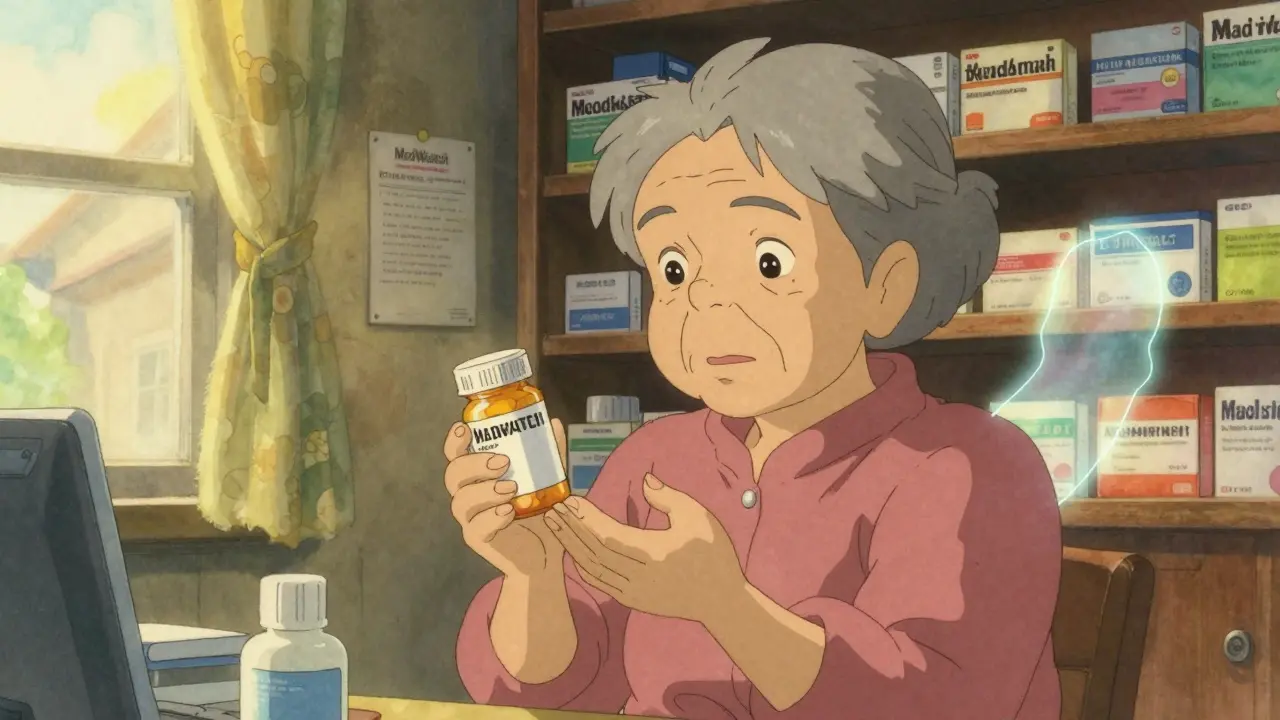
When you fill a prescription for a generic drug, you’re likely saving money-maybe dozens of dollars per month. But have you ever wondered what happens if something goes wrong? What if the generic version doesn’t work the same way as the brand-name drug you used before? Or worse-what if you have a strange reaction and don’t know who to tell?
This is where MedWatch comes in. It’s not a flashy program. No ads. No TV commercials. But it’s one of the most important safety nets in U.S. healthcare. Run by the FDA, MedWatch collects real-world reports about problems with medicines-including the 90% of prescriptions filled with generic drugs. And yet, most people don’t know it exists.
How MedWatch Works for Generic Drugs
MedWatch is the FDA’s official system for collecting reports about side effects, product failures, and manufacturing issues with all kinds of medical products. That includes prescription drugs, over-the-counter meds, and yes-generic versions.
When a patient has a bad reaction to a generic version of sertraline, or a senior notices their blood pressure isn’t controlled anymore after switching to a new generic levothyroxine, they-or their doctor-can submit a report to MedWatch. The form asks for basic info: the drug name, what happened, when it happened, and if possible, the manufacturer.
Here’s the catch: the system doesn’t always know which generic brand you took. The form says “generic sertraline,” but there are over 30 different manufacturers making that same drug. If you don’t write down the name on the bottle-or the NDC code-you’re just adding to the noise.
That’s why only about 33% of consumer reports include the actual manufacturer. Compare that to brand-name drugs, where nearly 90% of reports name the maker. Without that detail, the FDA can’t tell if the problem is with one specific company’s version-or if it’s a general issue with all generics.
The Hidden Problem: Therapeutic Inequivalence
Most people assume generics are exact copies. Legally, they have to be “bioequivalent”-meaning they deliver the same active ingredient at the same rate and amount as the brand. The FDA requires them to be within 80-125% of the brand’s absorption rate.
But “bioequivalent” doesn’t always mean “feels the same.”
Patients report things like: “I was stable on the brand, now I’m dizzy and nauseous on the generic.” Or, “My thyroid levels are all over the place since they switched me.” These aren’t rare complaints. In fact, the FDA has a dedicated category in MedWatch for “therapeutic inequivalence or failure.”
One of the most documented cases involved a generic version of bupropion XL made by Mylan. Over 15 separate reports came in from patients saying their depression symptoms worsened or they had seizures after switching. The FDA investigated, reviewed lab data, and eventually required the manufacturer to update the label with a warning about potential differences in absorption.
That’s the power of MedWatch. It doesn’t rely on clinical trials. It listens to real people in real life.
Why Reporting Is So Hard for Patients
Imagine you’re a 68-year-old woman taking a generic blood pressure pill. You feel lightheaded. You go to your pharmacist and ask, “Is this the same as before?” They say, “It’s still lisinopril.” You don’t know the manufacturer. You don’t know what an NDC code is. You just know something’s off.
So you try to report it. You go to MedWatch’s website. You fill out the form. You type “lisinopril” in the drug field. You describe your dizziness. You hit submit.
Now imagine the FDA gets 1,200 reports about lisinopril every month. Half of them say “generic.” Only 300 say who made it. How do they know if your case is connected to others-or just a coincidence?
That’s the biggest flaw in the system: it’s built for professionals, not patients. The FDA admits this. In a 2024 notice, they called it “one of our most persistent data quality challenges.”
And patients aren’t the only ones struggling. Pharmacists are too. A 2024 survey found that 71% of pharmacy staff say they don’t have time to collect full details for MedWatch reports. They’re busy filling prescriptions, answering questions, managing insurance. Reporting is an afterthought-even though it’s legally encouraged.
What’s Being Done to Fix It
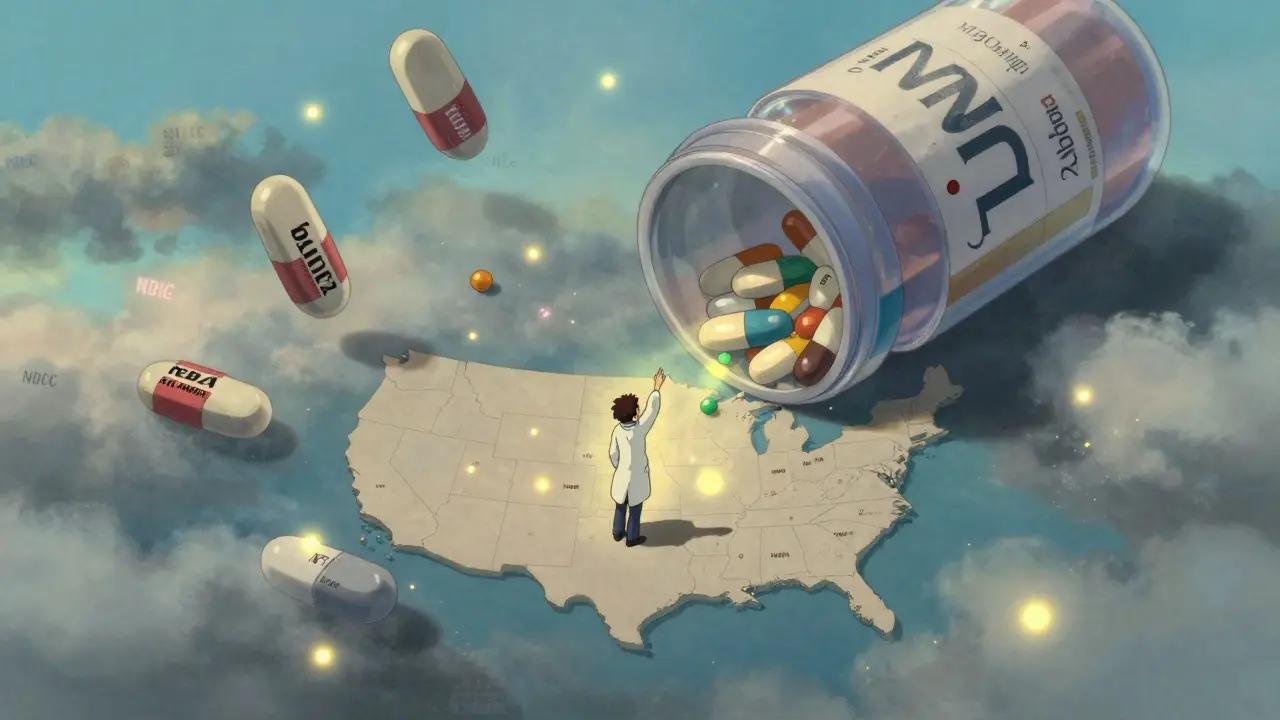
The FDA isn’t ignoring the problem. In 2024, they rolled out a new algorithm that can now identify generic drugs in reports with over 92% accuracy. It looks at patterns-like which inactive ingredients show up together, or how often a drug name appears with certain manufacturer codes.
They’ve also launched training modules for pharmacists and created Spanish-language reporting forms. And under the Generic Drug User Fee Amendments (GDUFA) III plan, they’ve committed to improving how they track generics.
The biggest change is coming by 2026: MedWatch will start pulling data directly from electronic health records. That means when your doctor prescribes a generic, the system could auto-fill the NDC code and manufacturer-no manual entry needed.
But here’s the truth: technology alone won’t fix this. If people don’t report, the data stays incomplete.
How You Can Help-Even If You’re Not a Doctor
You don’t need a medical degree to make a difference. If you’ve had a bad experience with a generic drug, your report matters.
Here’s what to do:
- Check the label. Look for the manufacturer name and the NDC number (a 10- or 11-digit code on the box or bottle).
- Write down what happened: symptoms, when they started, how long they lasted.
- Go to www.fda.gov/medwatch and fill out the online form.
- Don’t just say “generic.” Say “generic lisinopril, made by Teva.”
- If you’re unsure, call your pharmacist. They can tell you the manufacturer and help you fill out the form.
One pharmacist in Ohio submitted 17 reports over three years. Only two got replies. But one of them led to a label change. That’s how change happens-not in boardrooms, but in small, quiet reports from real people.
The Bigger Picture
Generics save the U.S. healthcare system over $300 billion a year. That’s huge. But safety can’t be an afterthought. If we treat generics as “good enough,” we risk overlooking real problems.
Right now, only about 5% of all adverse event reports mention generics specifically. But generics make up 90% of prescriptions. That gap? That’s not just a data problem. It’s a safety gap.
And it’s one we can close-if more people report.
Next time you pick up a generic pill and feel something’s off-don’t assume it’s just you. Don’t assume it’s not serious. Don’t assume no one will care.
Someone will. And that someone might be the FDA.
And your report? It might be the one that changes a label. Prevents a recall. Saves someone else’s life.
Can I report a problem with a generic drug even if I’m not sure it’s the drug’s fault?
Yes. MedWatch is designed to collect even uncertain reports. If you noticed a change in how you feel after switching to a generic-even if you think it might be stress, age, or something else-report it. The FDA looks for patterns. One report might not mean much, but 10 reports about the same generic and the same symptom? That’s a signal.
Do I need to know the manufacturer’s name to report?
It’s not required, but it’s extremely helpful. The manufacturer name and NDC code are the best ways to connect your report to others. If you don’t know the manufacturer, check the pill bottle, call your pharmacy, or look up the NDC code on the FDA’s website. Even if you only have the generic name, your report still counts-but including manufacturer details makes it 5 times more useful.
Is MedWatch only for serious side effects?
No. While serious reactions like hospitalizations or death are prioritized, the FDA also tracks milder but persistent issues-like nausea, dizziness, insomnia, or reduced effectiveness. If a generic isn’t working like it used to, that’s a valid report. Therapeutic failure is just as important as toxicity.
Can I report for someone else, like a family member?
Absolutely. Many reports come from caregivers, family members, or nurses. You don’t have to be the patient. Just include as much detail as you can: the person’s age, symptoms, medication history, and the drug details. Your report can help protect others who might take the same generic.
How long does it take for the FDA to respond to a report?
Most people don’t get a direct reply. The FDA receives over 1 million reports a year. They don’t respond to each one individually. But they review every report for patterns. If enough people report the same issue with a specific generic, the FDA will investigate. That’s how label changes, warnings, or recalls start.
Are generic drugs less safe than brand-name drugs?
No. The vast majority of generic drugs are safe and effective. The FDA requires them to meet the same quality standards as brand-name drugs. But because generics are made by many different manufacturers, small differences in inactive ingredients or manufacturing processes can sometimes affect how a person tolerates or responds to the drug. MedWatch helps identify those rare but real cases.
What Comes Next
By 2026, MedWatch will be linked to electronic health records. That means when your doctor prescribes a generic, the system will automatically know which company made it. No more guessing. No more missing NDC codes.
But until then, the system still depends on you.
Every report you submit adds a piece to a puzzle the FDA is trying to solve. And if enough pieces come together, it could mean safer generics for everyone.

Casper MacIntyre
Hello, my name is Casper MacIntyre and I am an expert in the field of pharmaceuticals. I have dedicated my life to understanding the intricacies of medications and their impact on various diseases. Through extensive research and experience, I have gained a wealth of knowledge that I enjoy sharing with others. I am passionate about writing and educating the public on medication, diseases, and their treatments. My goal is to make a positive impact on the lives of others through my work in this ever-evolving industry.
13 Comments
-
Rachel Liew
February 1, 2026 AT 15:00i just had to report my dizziness after switching to the generic adderall. i didnt know what to do till i saw this post. now i know its not just me being crazy. thanks for sharing the link!!
-
Lisa Rodriguez
February 3, 2026 AT 13:33As a pharmacist, I can tell you this is the most underappreciated part of our job. We’re supposed to encourage reporting, but we’re drowning in scripts, prior auths, and insurance calls. The FDA’s new EHR integration by 2026? That’s the real game-changer.
Right now, if a patient says ‘this generic feels different,’ we nod and say ‘it’s the same drug.’ But it’s not always true. The fillers matter. The coating matters. And patients feel it.
I’ve started keeping a sticky note on my counter: ‘Check your bottle. Write down the maker. Report it.’ It’s tiny, but it’s something. -
Nancy Nino
February 5, 2026 AT 02:07Oh wow. So the FDA is finally admitting their system is broken? Took them long enough. I’ve been reporting since 2018 and never got a reply. Guess I’m just part of the noise.
-
June Richards
February 6, 2026 AT 14:44Why are we even bothering? Big Pharma owns the FDA. They’ll never pull a generic unless it’s killing people. My cousin got hospitalized on a generic metformin and they just ‘monitored’ it. LMAO.
-
Jaden Green
February 7, 2026 AT 19:58Let’s be honest-this entire system is a farce. The bioequivalence standards are laughably lax. 80-125% absorption? That’s a 45% swing. Two people taking the same ‘generic’ could be getting drugs with completely different pharmacokinetics. It’s not science-it’s regulatory theater. And now they want us to trust an algorithm that ‘identifies’ manufacturers based on ‘patterns’? Please. The only pattern is that the FDA doesn’t care until someone dies.
Meanwhile, the manufacturers are optimizing for cost, not consistency. They swap inactive ingredients like socks. And we’re supposed to just ‘report’? As if that’s going to change anything when the FDA has 1.2 million reports to sort through and zero budget to follow up.
It’s not a data problem. It’s a moral one. -
Lu Gao
February 8, 2026 AT 06:50Wait, so you're saying the FDA doesn't know which company made the generic? That's wild. I thought they tracked everything. 🤔
Also, I reported my weird headache after switching to generic Zoloft last year. No reply. But I still feel like I did the right thing. 🙌 -
Angel Fitzpatrick
February 8, 2026 AT 11:30They’re lying. The FDA knows exactly who’s making the bad generics. They’re just protecting the big players. Look at the NDC codes-every time a new generic hits the market, it’s from the same 5 manufacturers. They’re all connected. The algorithm they’re building? It’s not to find bad batches-it’s to bury them under ‘statistical noise.’
And don’t get me started on the ‘inactive ingredients.’ That’s where the real poison is. Talc. Dyes. Corn starch from GMO crops. They’re testing the active ingredient, but not the fillers that make your gut scream or your brain fog.
They don’t want you to know. That’s why they make the form so confusing. It’s intentional. -
Nidhi Rajpara
February 8, 2026 AT 12:45I am from India and we have very strict generic drug regulations here. In India, every generic must be registered with exact bioequivalence data and batch number. Why is USA so behind? This system is not safe. Please improve.
-
Chris & Kara Cutler
February 10, 2026 AT 10:26Just reported my husband’s panic attacks after switching generics. Took 5 mins. Did it for him. ❤️
Everyone should do this. It’s easy. And it matters. -
Aditya Gupta
February 12, 2026 AT 04:16Man I used to think generics were all the same till I switched to one that made me feel like a zombie. Now I always check the bottle. If I don’t like it, I go back to the last one and report it.
Small thing, but it helps. -
Ishmael brown
February 12, 2026 AT 05:12So… the system is broken, but we’re supposed to fix it by… reporting? 😐
Meanwhile, the FDA gets 1.2 million reports a year and does… nothing.
Why am I not surprised?
Just… sigh. -
Melissa Melville
February 13, 2026 AT 21:36My grandma in Texas used to say, ‘If it ain’t broke, don’t fix it.’ But when she switched to generic blood pressure pills and started falling? That’s when I knew: sometimes the ‘same’ drug ain’t the same at all.
Now I always check the bottle before she takes it. And yeah, I report. Even if no one replies.
Someone’s gotta care.


Write a comment
More Articles
Current Drug Shortages: Which Medications Are Scarce Today in 2026
As of early 2026, over 260 essential medications remain in short supply across the U.S., including chemotherapy drugs, IV fluids, and antibiotics. Learn which drugs are hardest to find, why, and what you can do.
Sexually Transmitted Infections in the LGBTQ+ Community: Risks and Prevention Strategies
In my recent exploration on the topic of Sexually Transmitted Infections (STIs) in the LGBTQ+ community, I found that this group faces unique risks and challenges. The stigma, discrimination, and lack of understanding can often lead to higher rates of STIs. The key to combating this issue is through informed prevention strategies, which include regular testing, protected sex, and open communication about sexual health. It's crucial that we work towards creating an environment where everyone feels safe and educated about their sexual health. Remember, knowledge is power when it comes to preventing STIs.
Donna Macaranas
February 1, 2026 AT 11:58Just submitted my first MedWatch report after my mom’s thyroid levels went wild switching generics. Took 20 minutes, but I wrote down the NDC code from the bottle. Hope it helps.
Didn’t even know this existed until I read this. Thanks for the nudge.