ATP7B Gene: What It Does, How Mutations Affect Health, and What You Need to Know
When your body can't manage copper properly, things go wrong fast. That’s where the ATP7B gene, a gene that encodes a copper-transporting protein essential for moving copper out of liver cells and into bile. Also known as the Wilson disease gene, it acts like a copper traffic cop—keeping levels balanced so copper doesn’t pile up and poison your organs. If this gene breaks, copper builds up in your liver, brain, and eyes. Left untreated, it leads to serious damage—liver failure, tremors, depression, even psychosis.
This isn’t rare. Wilson disease affects about 1 in 30,000 people worldwide, and most cases show up between ages 5 and 35. People with ATP7B mutations often end up in the ER with unexplained jaundice, fatigue, or neurological symptoms that doctors miss because they don’t think of copper. But once you know what to look for—like Kayser-Fleischer rings in the eyes or low ceruloplasmin in blood tests—it clicks. The gene doesn’t just affect liver function; it messes with how your body handles metals, which connects to broader issues like copper metabolism, the process by which the body absorbs, transports, and excretes copper, and why some medications or supplements can make things worse if you’re genetically at risk.
And it’s not just about Wilson disease. Researchers are now looking at how smaller changes in ATP7B might influence how people respond to copper-containing drugs, or why some patients with unexplained liver enzyme spikes don’t respond to standard treatments. It also ties into why certain genetic disorders, inherited conditions caused by mutations in single genes that disrupt normal bodily functions get misdiagnosed as autoimmune diseases or psychiatric conditions. If you’ve got a family history of liver disease, neurological problems, or early-onset Parkinson’s-like symptoms, testing for ATP7B mutations could be life-saving.
What you’ll find in the posts below aren’t just dry genetics papers. These are real stories and practical guides from people who’ve dealt with copper overload, doctors who’ve cracked difficult cases, and clear breakdowns of how treatments like zinc or penicillamine actually work at the molecular level. You’ll see how this one gene links to medication safety, supplement risks, and why telling your doctor about every pill you take matters more than you think. This isn’t theory—it’s about what happens when biology goes off track, and how to fix it before it’s too late.
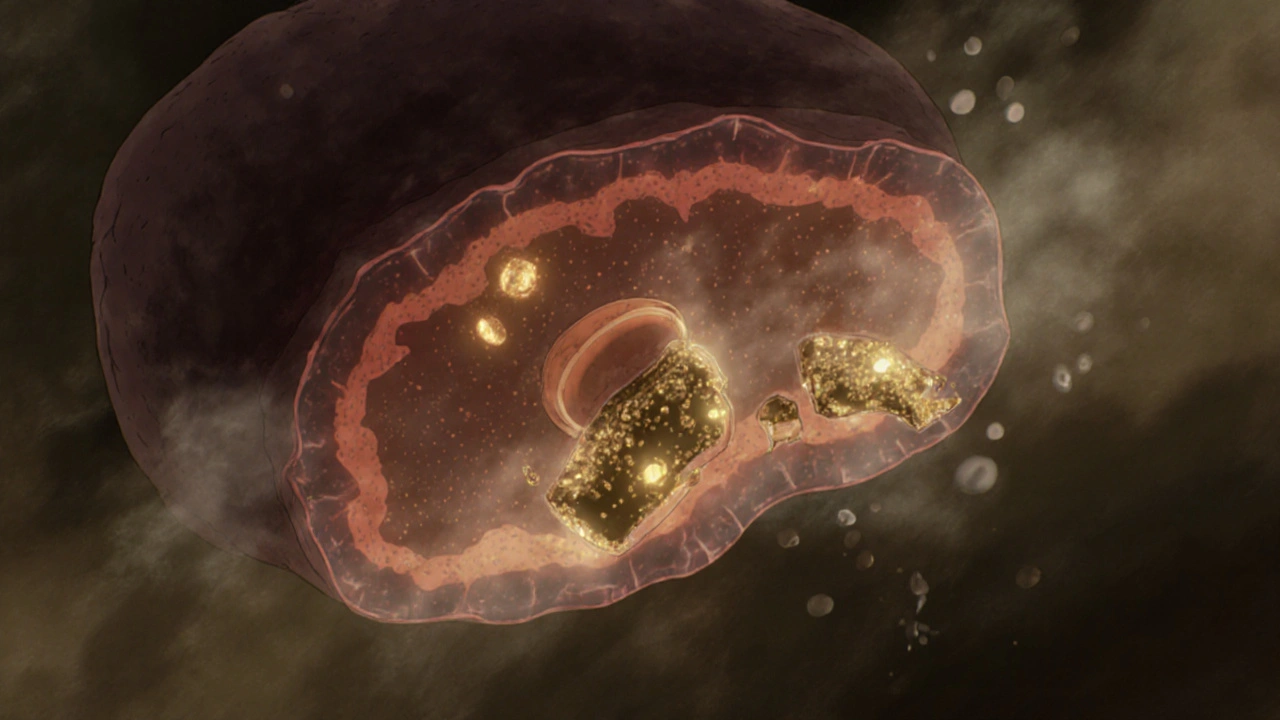
Wilson’s Disease: Understanding Copper Accumulation and Chelation Therapy
Wilson’s disease is a rare genetic disorder causing toxic copper buildup in the liver and brain. Early diagnosis and chelation therapy can prevent irreversible damage and allow a normal lifespan.