Drug Shortages: What Causes Them and How They Impact Your Medications
When your pharmacy says they don’t have your medication, it’s not just an inconvenience—it’s a drug shortage, a situation where the supply of a medication falls below demand, leaving patients without access to essential treatments. Also known as medication unavailability, it can happen to anything from antibiotics to insulin, and it’s becoming more common than most people realize. These aren’t random glitches. They’re the result of complex problems in the pharmaceutical supply chain, the network of manufacturers, distributors, and regulators that move drugs from factories to pharmacies. One factory shutdown, a raw material delay, or a quality control failure can ripple across the country. The FDA tracks these shortages, but by the time they’re reported, many patients are already struggling to get their prescriptions filled.
Most generic drug supply, the bulk of medications used daily, including blood pressure pills, antidepressants, and antibiotics comes from just a handful of overseas facilities. If one plant in India or China faces an inspection issue or a labor strike, thousands of American prescriptions stall. That’s why you see recalls like those for NDMA in valsartan or benzene in Mucinex—they’re symptoms of deeper problems in how these drugs are made and monitored. Even when a generic drug meets FDA standards, the system doesn’t have enough backup suppliers to keep up when things go wrong. And when a drug is only made by one company? That’s a single point of failure waiting to happen.
It’s not just about running out of pills. Drug shortages force doctors to switch treatments, which can mean new side effects, higher costs, or worse outcomes. A patient on a stable diabetes regimen might suddenly get a different insulin, or someone with epilepsy could be put on a less effective alternative. That’s why knowing your options matters. The posts below cover real cases—like how contamination risks in generics, orphan drug exclusivity rules, and mail-order pharmacy delays all tie into why your meds might disappear. You’ll find practical advice on how to prepare, what questions to ask your pharmacist, and how to spot early signs of a coming shortage. This isn’t about panic. It’s about staying informed so you’re never caught off guard when your prescription doesn’t show up.
Government Response to Drug Shortages: Federal Actions and Policy Shifts in 2025-2026
Federal actions to combat drug shortages in 2025-2026 focus on stockpiling active ingredients and regulatory tweaks, but fail to fix the root causes: manufacturing concentration, low profit margins, and weak reporting. Real solutions require economic reform, not just emergency reserves.
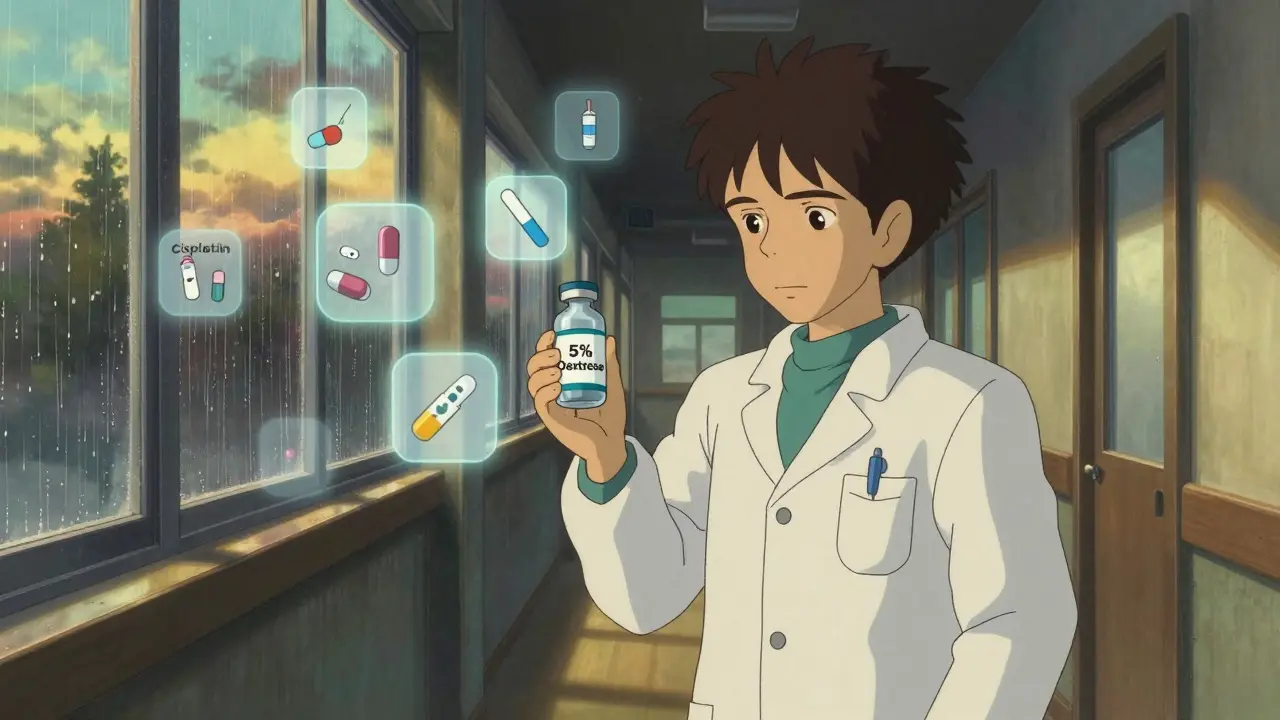
Current Drug Shortages: Which Medications Are Scarce Today in 2026
As of early 2026, over 260 essential medications remain in short supply across the U.S., including chemotherapy drugs, IV fluids, and antibiotics. Learn which drugs are hardest to find, why, and what you can do.
Shortage Predictions: Forecasting Future Drug Scarcity 2025-2030
Drug shortages are accelerating due to global supply chain fragility, climate disruptions, and geopolitical tensions. Learn how forecasting tools are evolving-and what you can do to protect your access to essential medicines.