Serotonin Toxicity: Causes, Symptoms, and Medications That Trigger It
When your body gets too much serotonin, a natural chemical that helps regulate mood, sleep, and digestion. Also known as serotonin syndrome, it’s not just a side effect—it’s a medical emergency that can develop quickly after starting or changing a medication. This isn’t rare. It happens more often than you think, especially when people mix common antidepressants with painkillers, cold medicines, or even herbal supplements like St. John’s wort.
SSRIs, a class of antidepressants that increase serotonin levels. Also known as selective serotonin reuptake inhibitors, they include drugs like sertraline and fluoxetine are the usual suspects, but they’re not the only ones. SNRIs, another type of antidepressant that also affects serotonin. Also known as serotonin-norepinephrine reuptake inhibitors, examples include venlafaxine and duloxetine can do the same. Even migraine meds like triptans, certain opioids like tramadol, and anti-nausea drugs like ondansetron can push serotonin levels over the edge—especially when stacked together. You don’t need a huge dose. Sometimes just adding one new pill to your routine is enough.
The signs don’t always show up right away, but when they do, they’re hard to ignore. You might feel agitated, confused, or have a rapid heartbeat. Your muscles could twitch or stiffen up. You might sweat like you’ve run a marathon—even if you’re sitting still. Fever, shivering, and diarrhea are red flags too. If you’ve recently changed your meds and feel this way, don’t wait. Call your doctor or go to the ER. It’s not something you can treat at home.
What you’ll find in the posts below isn’t just theory. These are real cases, real drugs, and real advice from people who’ve been there. You’ll see which medications carry the highest risk, how doctors diagnose it, and what steps you can take to avoid it—whether you’re on antidepressants, managing chronic pain, or just trying to sleep better. There’s no guesswork here. Just clear facts on what to watch for and how to stay safe.
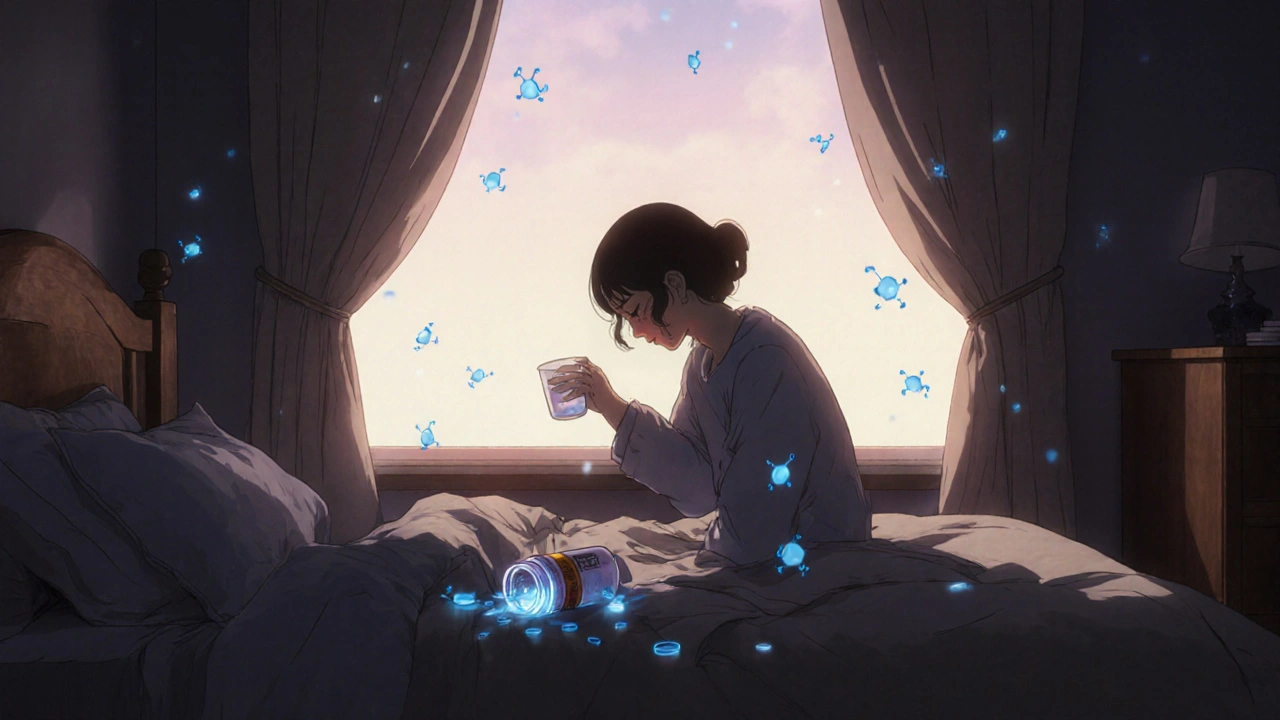
Antidepressant Overdose: Recognizing Serotonin Syndrome Warning Signs Before It's Too Late
Serotonin syndrome is a life-threatening reaction to too much serotonin, often caused by antidepressant overdose or drug interactions. Know the warning signs - tremors, clonus, high fever - and act fast.