Adverse Drug Reactions: What They Are, How to Spot Them, and What to Do
When you take a medication, you expect it to help—not hurt. But adverse drug reactions, unintended and harmful responses to medications at normal doses. Also known as drug side effects, they can show up fast or creep in over weeks, and they’re more common than most people realize. These aren’t just minor annoyances like a dry mouth or drowsiness. They can be serious: serotonin syndrome, a dangerous surge of serotonin often triggered by antidepressants or combinations of drugs, can cause high fever, seizures, and even death if missed. Or drug contamination, when harmful substances like NDMA or benzene sneak into pills during manufacturing, turning a routine prescription into a hidden health threat.
Not all reactions are obvious. Some show up days or weeks later—like a sudden loss of smell from an antibiotic, or unexplained fatigue after starting a new heart pill. Others hide in plain sight: nausea from chemotherapy, low blood sugar from diabetes meds, or a rash from a common painkiller. What makes these reactions tricky is that they’re often blamed on aging, stress, or another condition. But the real culprit? The drug you’ve been taking faithfully. And while generic drugs must meet the same safety standards as brand-name ones, recent recalls prove that quality control isn’t foolproof. Even something as simple as acetaminophen can damage your liver if you’re not careful—especially if you already have liver disease or take other meds that affect it.
Some reactions are predictable, like the dizziness that comes with blood pressure pills. Others are rare, like the birth defects linked to carbamazepine during pregnancy. But whether common or uncommon, they all deserve attention. The good news? You don’t have to guess. You can learn the warning signs, know which drugs carry the highest risks, and spot red flags before they turn into emergencies. Below, you’ll find real, practical guides on exactly that: how serotonin syndrome hides in plain sight, why some meds mess with your sense of smell, how contamination happens, and what to do when side effects show up late—or worse, when they don’t go away.

Using Social Media for Pharmacovigilance: Opportunities and Risks
Social media is transforming drug safety monitoring by capturing real-time patient reports of side effects. While it offers faster detection of adverse reactions, challenges like data noise, privacy concerns, and regulatory gaps remain.
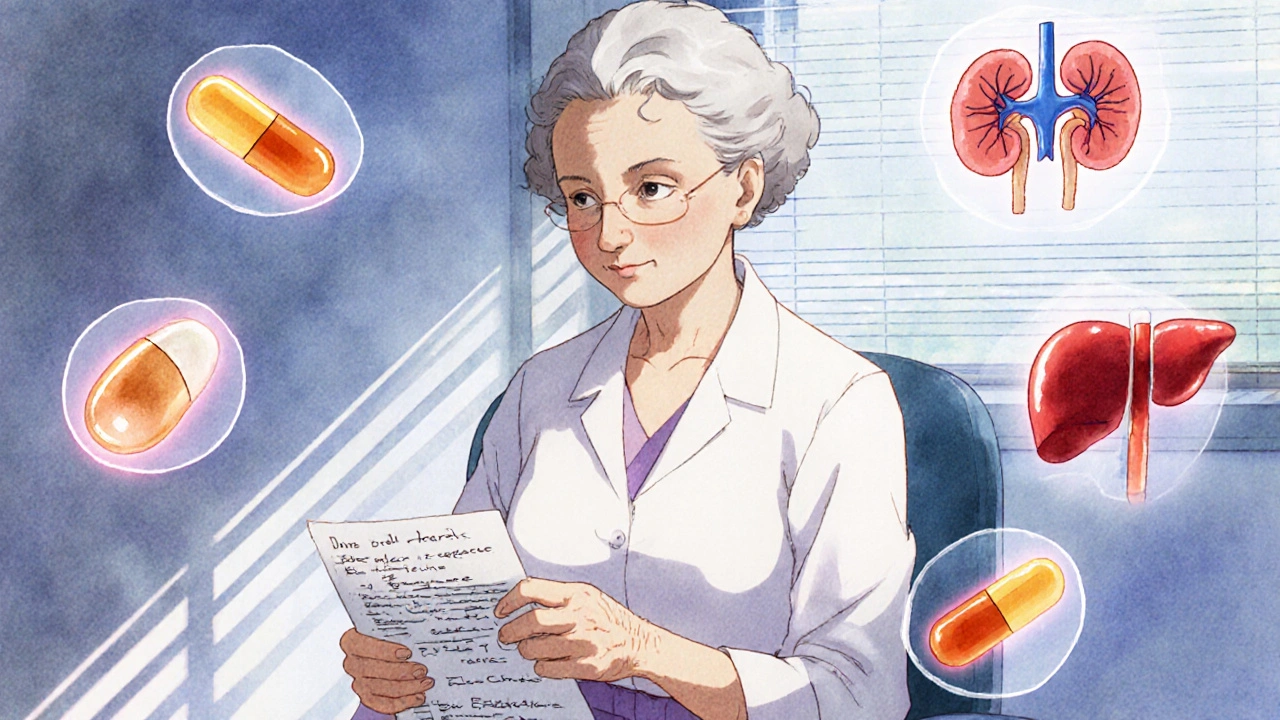
How Your Medical History Increases Your Risk of Medication Side Effects
Your medical history - from past illnesses to medications taken - directly affects how your body reacts to new drugs. Learn how conditions like kidney disease, polypharmacy, genetics, and age increase your risk of dangerous side effects - and what you can do to protect yourself.