Drug Price Volatility: Why Costs Swing Wildly and What It Means for You
When you fill a prescription and the price jumps overnight, you’re not imagining it—that’s drug price volatility, the unpredictable and often extreme fluctuations in the cost of medications over short periods. Also known as pharmaceutical pricing instability, it’s not just a business problem—it’s a daily stress for people managing chronic conditions like diabetes, thyroid disease, or heart failure. One month you pay $15 for your generic levothyroxine. The next, it’s $85. No change in dosage. No change in manufacturer. Just a price spike with no warning.
This isn’t random. generic drugs, lower-cost versions of brand-name medications that must meet the same FDA standards for safety and strength. Also known as generic medications, they are the main target of these swings. When a single company controls most of the supply—like with warfarin or minoxidil—price hikes follow. Or when a manufacturer quits making a drug, the few remaining suppliers raise prices fast. medication costs, the total amount patients pay out of pocket for prescriptions, including copays and coinsurance don’t just rise slowly over time—they can double in weeks. And it’s not just generics. Even brand-name drugs, especially those for rare diseases, can spike after patent expiry if no competitors enter the market.
Behind every price jump is a chain reaction: factory shutdowns, raw material shortages, consolidation among drug makers, or even geopolitical disruptions. The drug shortages, when a medication becomes unavailable or severely limited in supply you hear about on the news? They’re directly tied to price spikes. When one plant can’t make enough pills, the rest charge more. And patients? They’re left choosing between paying more, skipping doses, or going without. This isn’t theoretical. People with epilepsy, asthma, or heart conditions have ended up in the ER because they couldn’t afford their meds after a sudden price surge.
What you can do? Track your prescriptions. Know your pharmacy’s pricing trends. Ask your pharmacist about alternatives or mail-order options. Use tools like the PBS Safety Net if you’re eligible. And speak up—when enough patients report price shocks, regulators take notice. Below, you’ll find real stories and proven strategies from people who’ve faced these swings, and how to protect yourself before the next surprise bill hits.
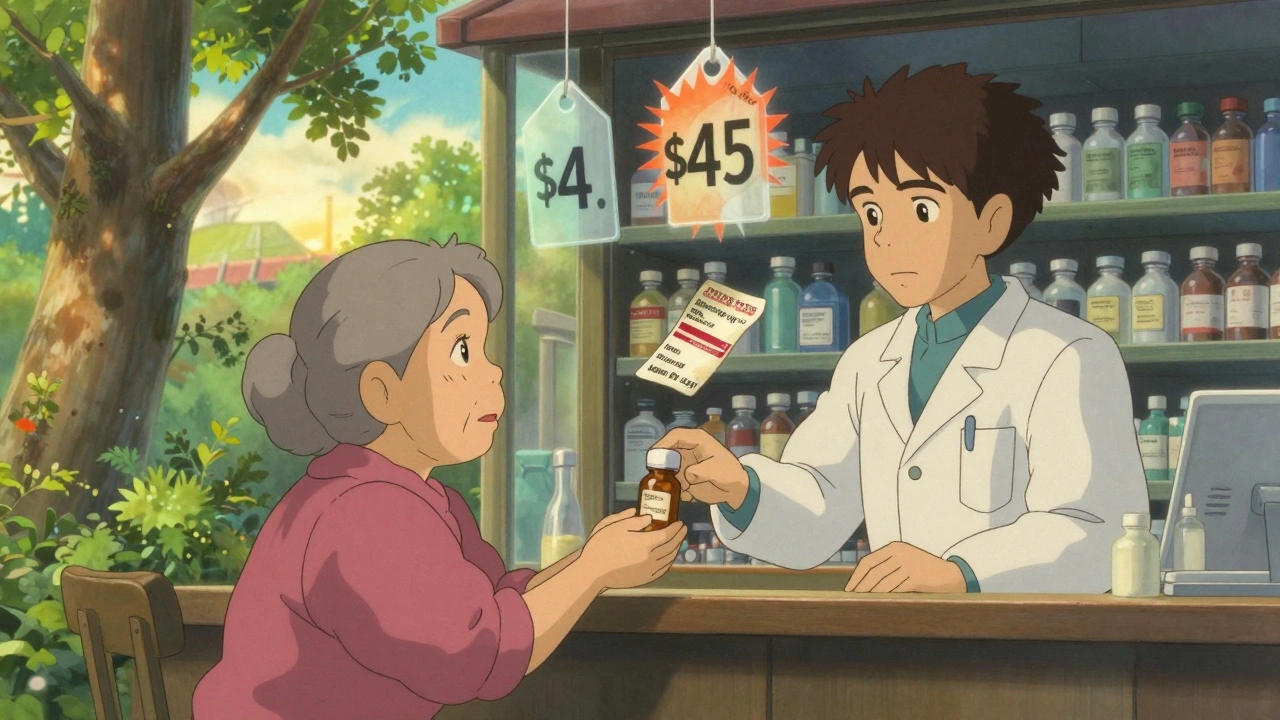
Generic Drug Prices Over Time: Year-by-Year Changes and What Really Happens
Generic drug prices don't just drop over time - they spike unpredictably. See how competition, manufacturer exits, and supply chain issues cause year-by-year price swings that impact millions of Americans.