FDA Drug Recalls: What You Need to Know About Safety Alerts and Protected Medications
When a FDA drug recall, a formal action by the U.S. Food and Drug Administration to remove unsafe or defective medications from the market. Also known as a pharmaceutical withdrawal, it’s not a routine event—but when it happens, it matters. These aren’t just bureaucratic notices. They’re lifesaving steps taken because a pill, injection, or liquid was found to contain harmful contaminants, mislabeled ingredients, or manufacturing flaws that could cause serious harm—or death.
FDA drug recalls don’t happen in a vacuum. They’re tied to other critical systems like generic drug approval, the process that ensures copycat medications meet the same safety and strength standards as brand-name drugs, and pharmaceutical recalls, the broader category that includes everything from contaminated antibiotics to faulty insulin pens. When a generic version of a drug gets pulled, it’s often because the same factory that made the brand-name version also made the copy—and the problem wasn’t caught until after distribution. That’s why the FDA tracks manufacturing sites, not just brand names. You might think you’re safe because you buy the cheaper version, but if the facility had a contamination issue, both versions are at risk.
Some recalls are quiet. A small batch of pills with the wrong strength gets pulled from one state. Others make national news—like when blood pressure meds were found to contain cancer-causing impurities, or when diabetes pills were missing active ingredients entirely. The FDA doesn’t wait for hundreds of injuries to act. They monitor adverse event reports, inspect facilities, and test products. If a drug is linked to unexpected side effects like serotonin syndrome, a dangerous reaction from too much serotonin, often triggered by drug interactions, or if a heart medication’s coating breaks down too fast, they act fast. The system isn’t perfect, but it’s designed to catch problems before they spread.
What does this mean for you? If your medicine is recalled, you won’t always know right away. Pharmacies get notified, but patients often find out through news alerts or their doctor. That’s why checking the FDA’s recall page monthly takes less than five minutes—and could save you from a bad reaction. Don’t assume your pill is safe just because you’ve taken it for years. Ingredients change. Suppliers switch. A recall might not mean your drug is dangerous—it might just mean a label was wrong, or a batch was mislabeled. But you still need to act. Don’t throw it away without checking. Sometimes, you’re told to return it. Other times, you’re told to keep taking it until a replacement arrives.
The list below dives into real cases, hidden risks, and how to protect yourself. You’ll find posts on how FDA drug recalls connect to generic drug safety, why some medications cause delayed side effects, and how your medical history can make you more vulnerable when a recall happens. These aren’t theoretical discussions—they’re based on actual recalls, patient reports, and FDA data. Whether you take one drug or ten, this collection gives you the tools to stay ahead of the next alert—before it hits your medicine cabinet.
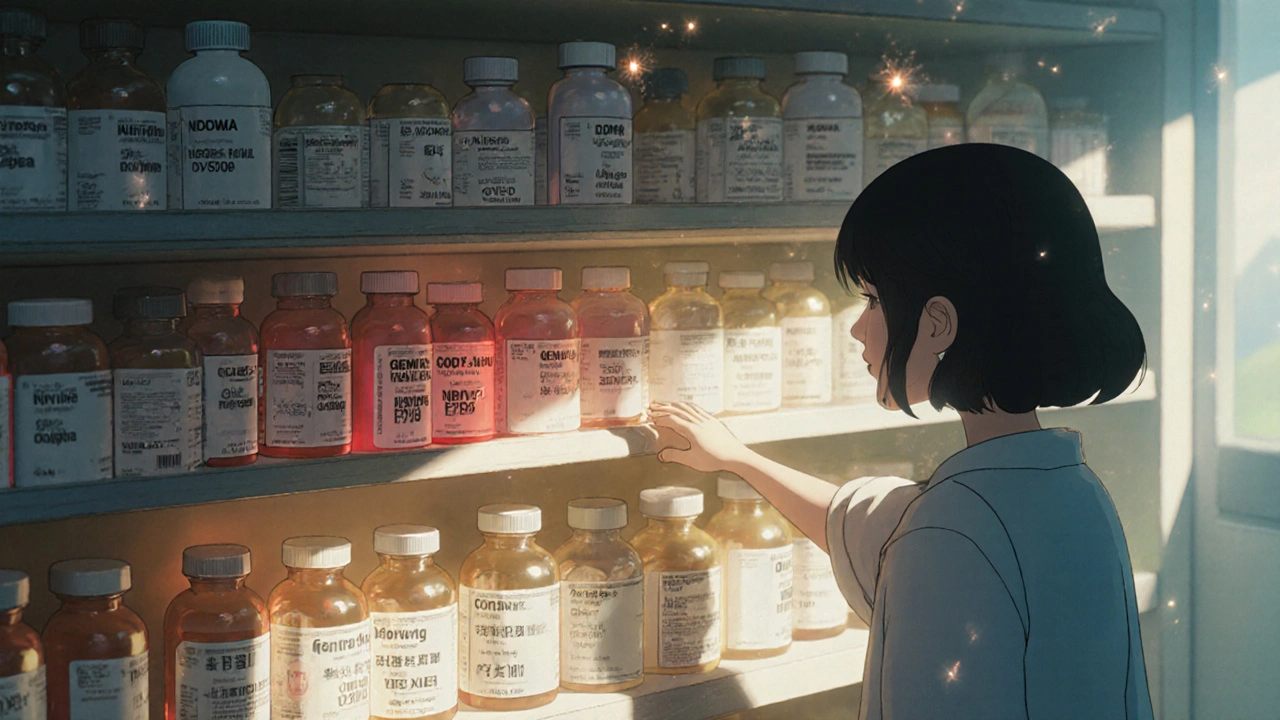
Contamination Issues in Generic Drugs: Recent Cases and How to Prevent Them
Recent contamination cases in generic drugs-including NDMA in valsartan and benzene in Mucinex-reveal serious safety gaps. Learn what’s behind the recalls, who’s affected, and how to protect yourself.