Generic Drug Prices: What You Really Pay and Why It Matters
When you see generic drug prices, the cost of medications that contain the same active ingredients as brand-name drugs but are sold without a brand label. Also known as generic medications, they’re meant to be affordable alternatives—but not all cheap drugs are created equal. The FDA requires them to work the same way as the brand version, but that doesn’t mean every generic is equally reliable. Some cost 90% less, while others still carry hidden risks—from inconsistent fillers to supply chain gaps that lead to shortages or contamination.
Behind every low price is a story. Take bioequivalence, the scientific standard proving a generic drug performs the same in the body as the brand. For most drugs, it’s a simple test. But for narrow therapeutic index drugs, medications where tiny dose changes can cause serious harm, like warfarin or levothyroxine, the rules are stricter. A 5% difference in absorption might be fine for an antihistamine, but it could send someone into a dangerous bleed or crash their thyroid levels. That’s why some generics cost more—they’re made under tighter controls, and you’re paying for safety, not just the pill.
Then there’s the real cost: what happens when you skip doses because the price still feels too high. Studies show people on chronic meds like blood pressure or diabetes drugs are more likely to stop taking them if they can’t afford the copay—even if it’s a generic. That’s where cost-saving drugs, medications chosen specifically to reduce financial burden without sacrificing health outcomes become critical. Mail-order pharmacies, 90-day fills, and pharmacy assistance programs can cut your monthly bill by half, but only if you know how to ask for them. And don’t assume all generics are safe. Recent recalls of valsartan and Mucinex due to NDMA and benzene contamination remind us that manufacturing quality isn’t guaranteed just because the label says "generic."
What you pay for a generic isn’t just about the sticker price. It’s about whether the drug works the same every time, whether your body absorbs it properly, and whether you can keep taking it without stress. The posts below dig into the real-world impact of these decisions—from how pregnancy-safe generics really are, to why your doctor needs to know every supplement you take, to how contamination slips through the cracks. You’ll find clear answers on when generics save lives, when they don’t, and how to protect yourself no matter what your budget looks like.
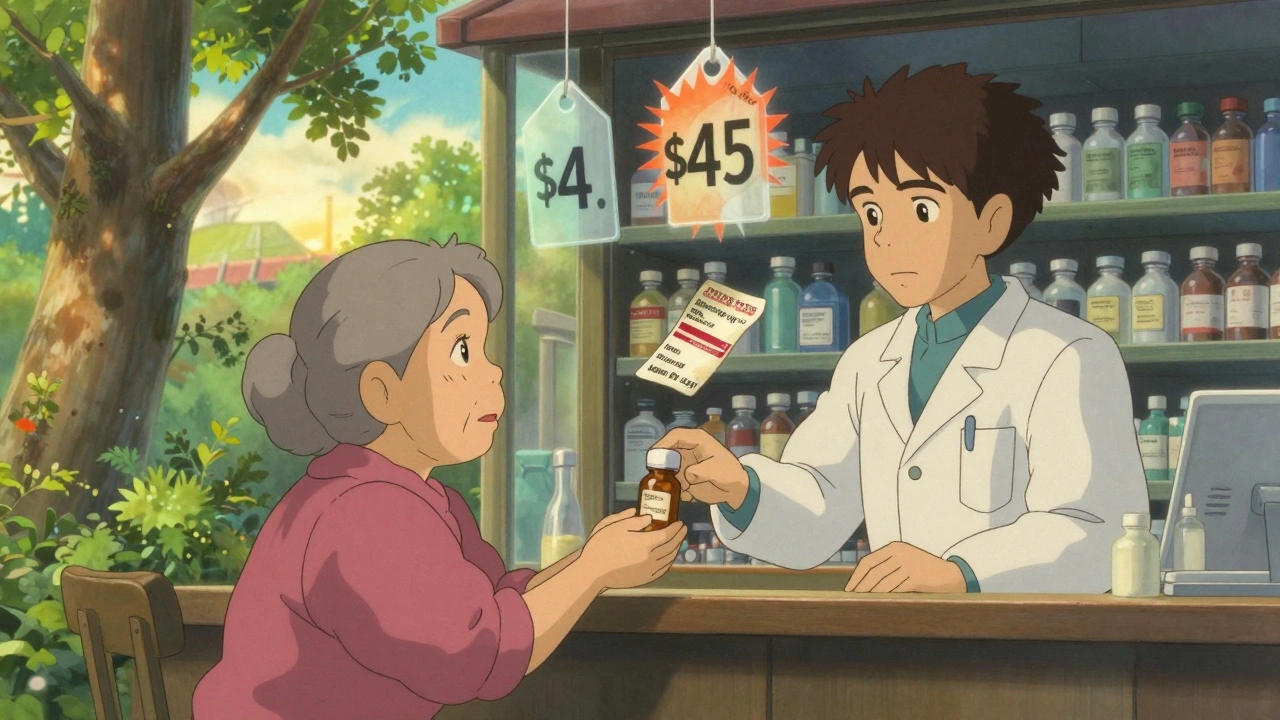
Generic Drug Prices Over Time: Year-by-Year Changes and What Really Happens
Generic drug prices don't just drop over time - they spike unpredictably. See how competition, manufacturer exits, and supply chain issues cause year-by-year price swings that impact millions of Americans.