Category: Pharmaceuticals - Page 3

GLP-1 Agonists for Weight Loss: Real Benefits and Common Side Effects
GLP-1 agonists like Wegovy and Zepbound can help people lose 15-20% of body weight, but come with nausea, high costs, and require long-term use. Learn how they work, their real side effects, and what to expect.
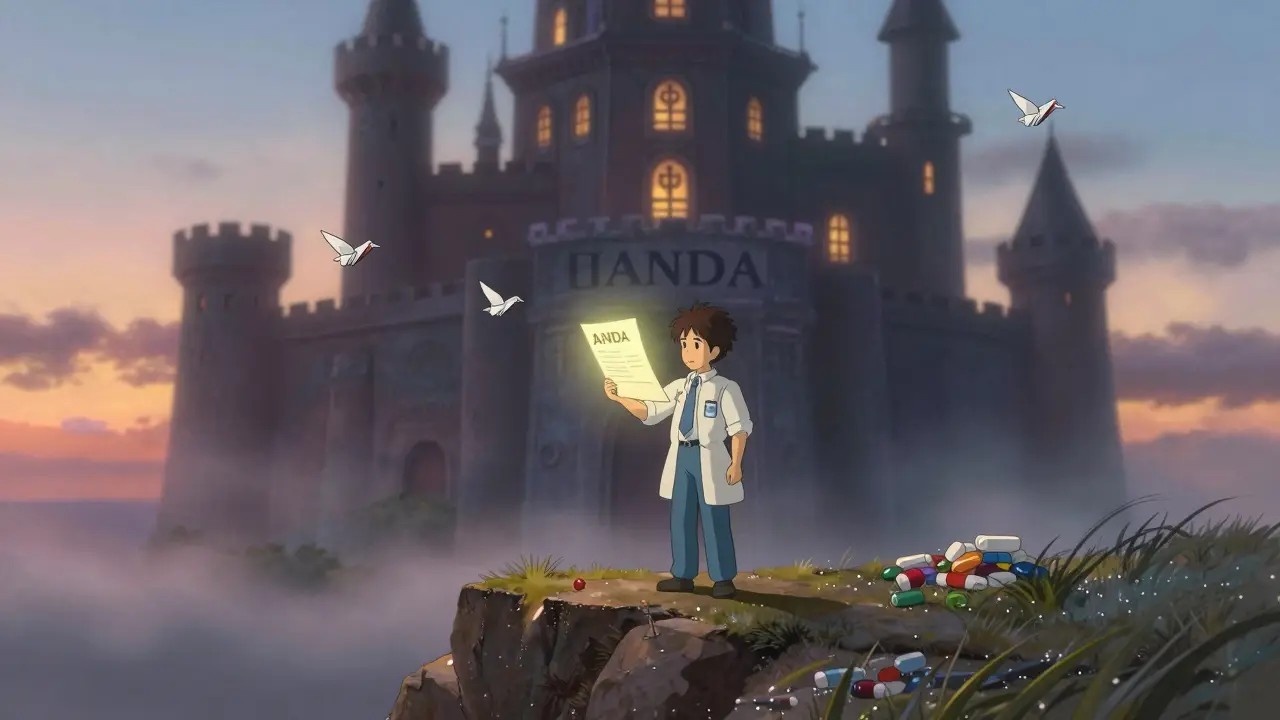
FDA's 180-Day Exclusivity: How First Generic Applicants Gain Market Advantage
FDA's 180-day exclusivity gives the first generic drug applicant a legal edge to launch without competition-but loopholes let companies delay entry. Here's how it works, who benefits, and why reform is urgent.
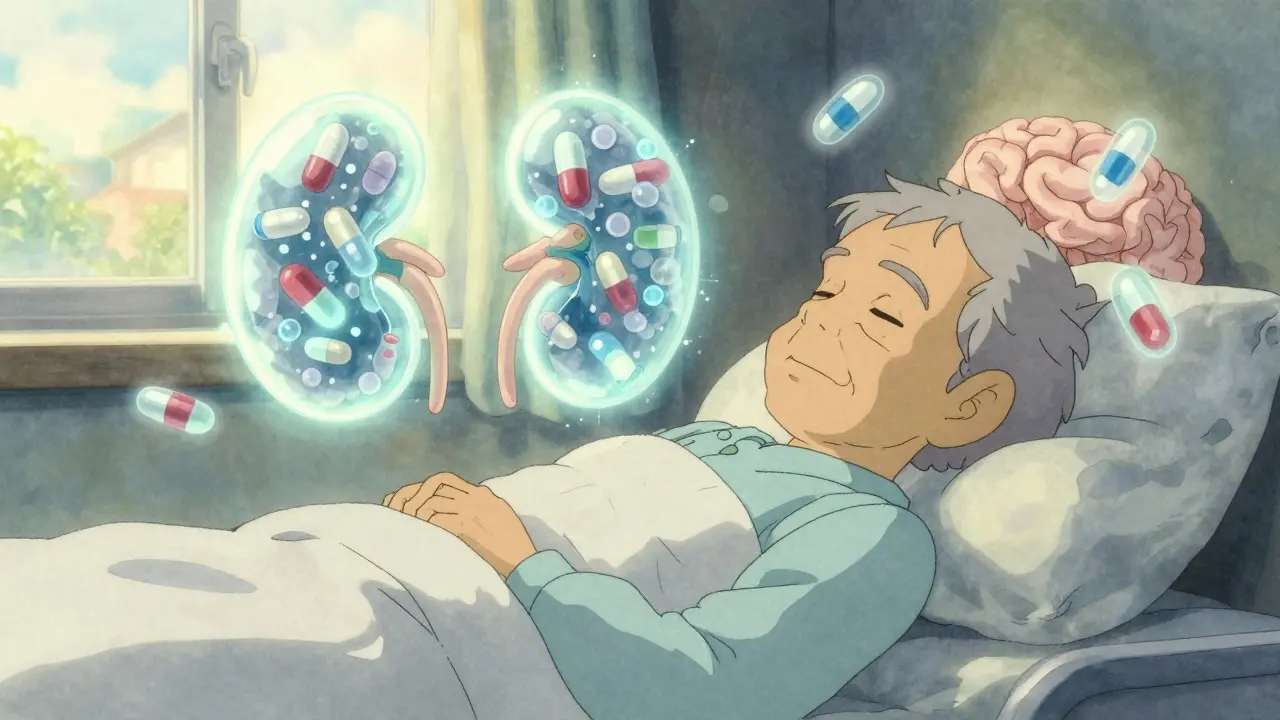
Renal Dosing of Antibiotics: How to Avoid Toxicity in Kidney Disease
Proper antibiotic dosing in kidney disease prevents toxicity and treatment failure. Learn how creatinine clearance guides dosing, which antibiotics need adjustments, and why acute vs. chronic kidney injury changes everything.
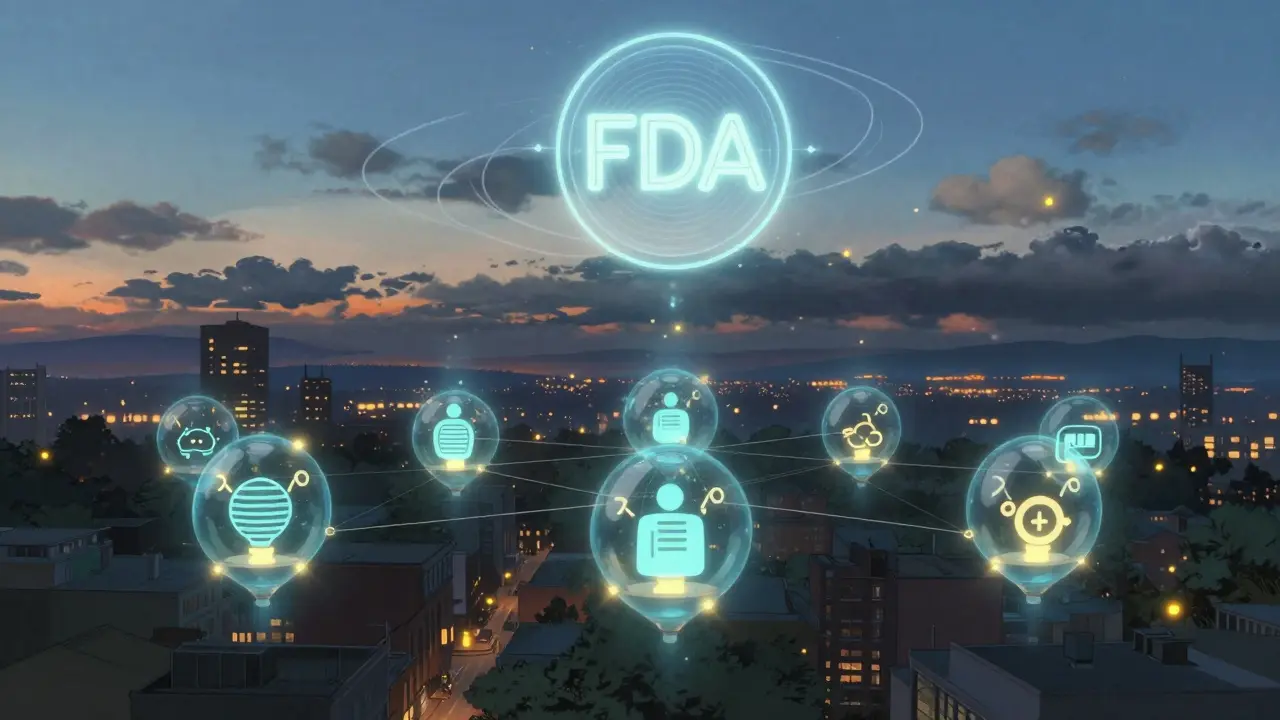
FDA Sentinel Initiative: How Big Data Detects Drug Safety Issues
The FDA Sentinel Initiative uses big data from millions of patient records to detect drug safety issues in real time, replacing outdated reporting systems with active surveillance powered by AI and real-world evidence.

ACE Inhibitors and ARBs: What You Need to Know About Interactions and Cross-Reactivity
ACE inhibitors and ARBs treat high blood pressure and kidney disease but shouldn't be combined. Learn why mixing them raises risks of kidney failure and high potassium-and what safer alternatives exist.
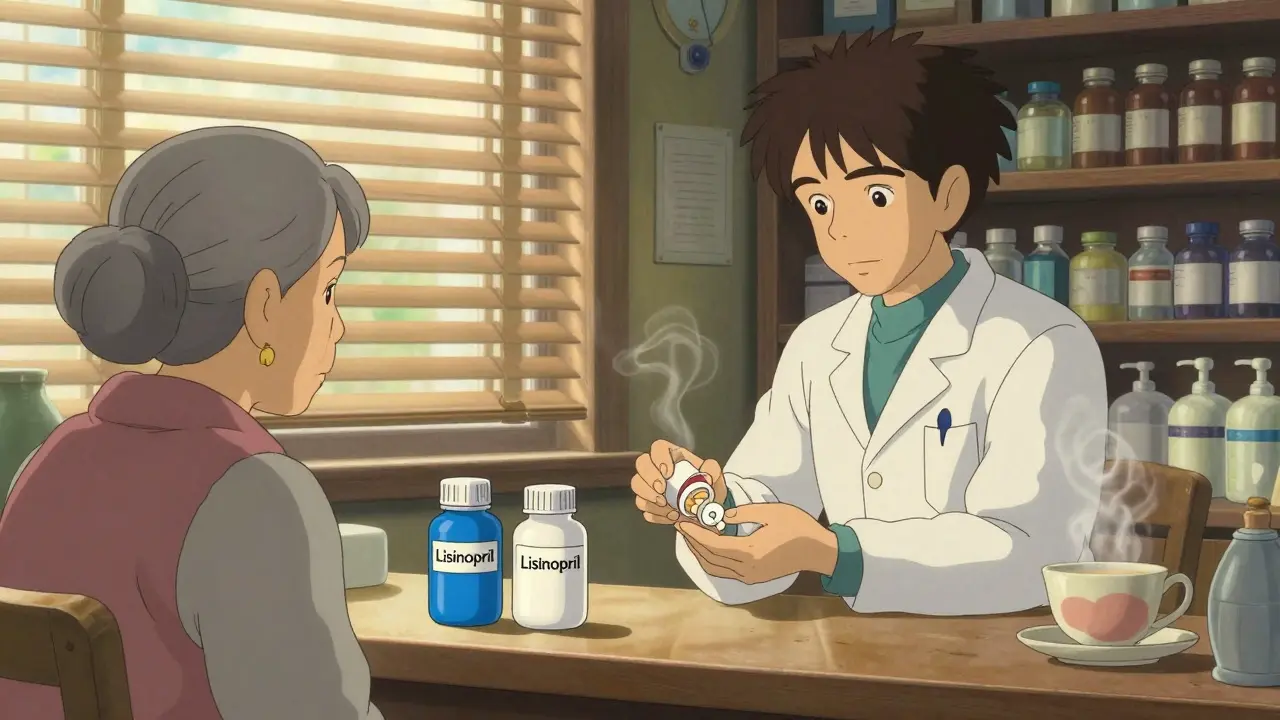
Pharmaceutical Equivalence for Generics: What It Really Means When You Fill a Prescription
Pharmaceutical equivalence means generic drugs have the same active ingredient, strength, and dosage as brand-name drugs. Learn what it really means for your health, safety, and savings - and how to know if your generic is truly equivalent.
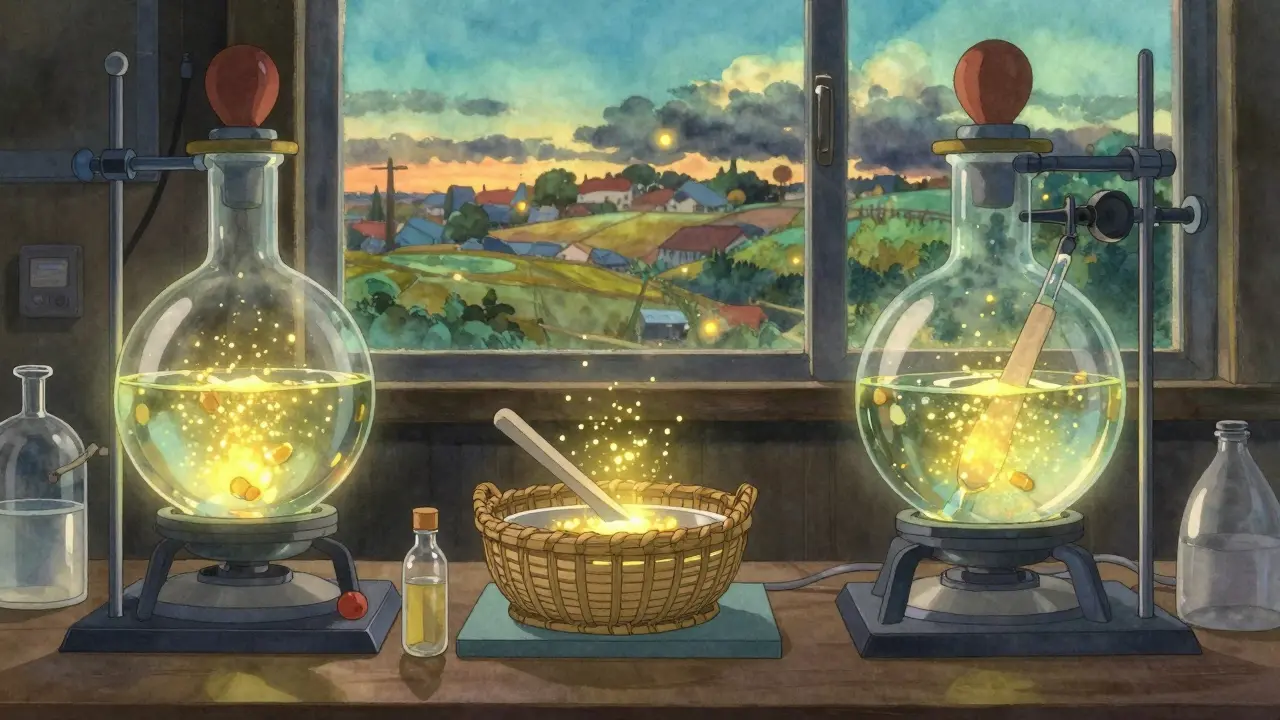
Dissolution Testing: How the FDA Ensures Generic Drug Quality
Dissolution testing is the key method the FDA uses to ensure generic drugs work the same as brand-name versions. It replaces human trials for many drugs by comparing how quickly the active ingredient releases in the lab.
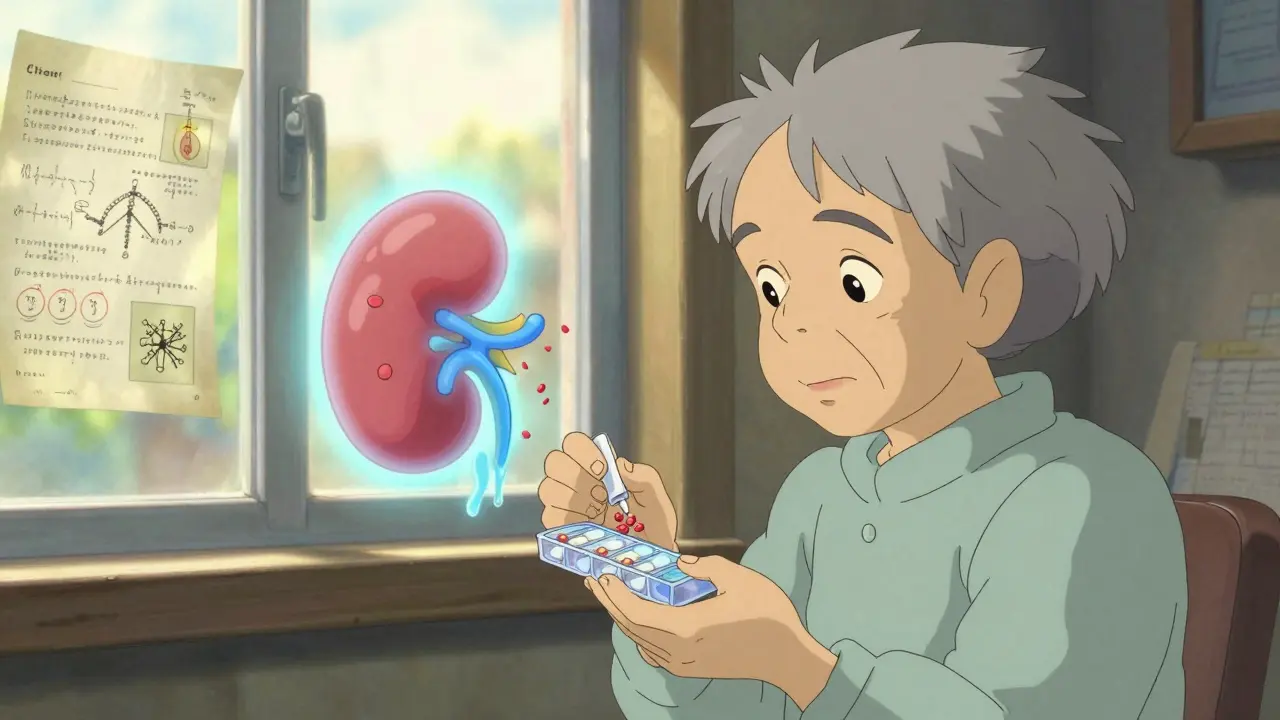
DOACs in Renal Impairment: How to Adjust Doses to Prevent Bleeding and Clots
DOACs like apixaban and rivaroxaban require precise dosing in kidney disease to avoid bleeding or clots. Learn how to adjust doses using Cockcroft-Gault, which DOACs are safest, and why apixaban is often the best choice.
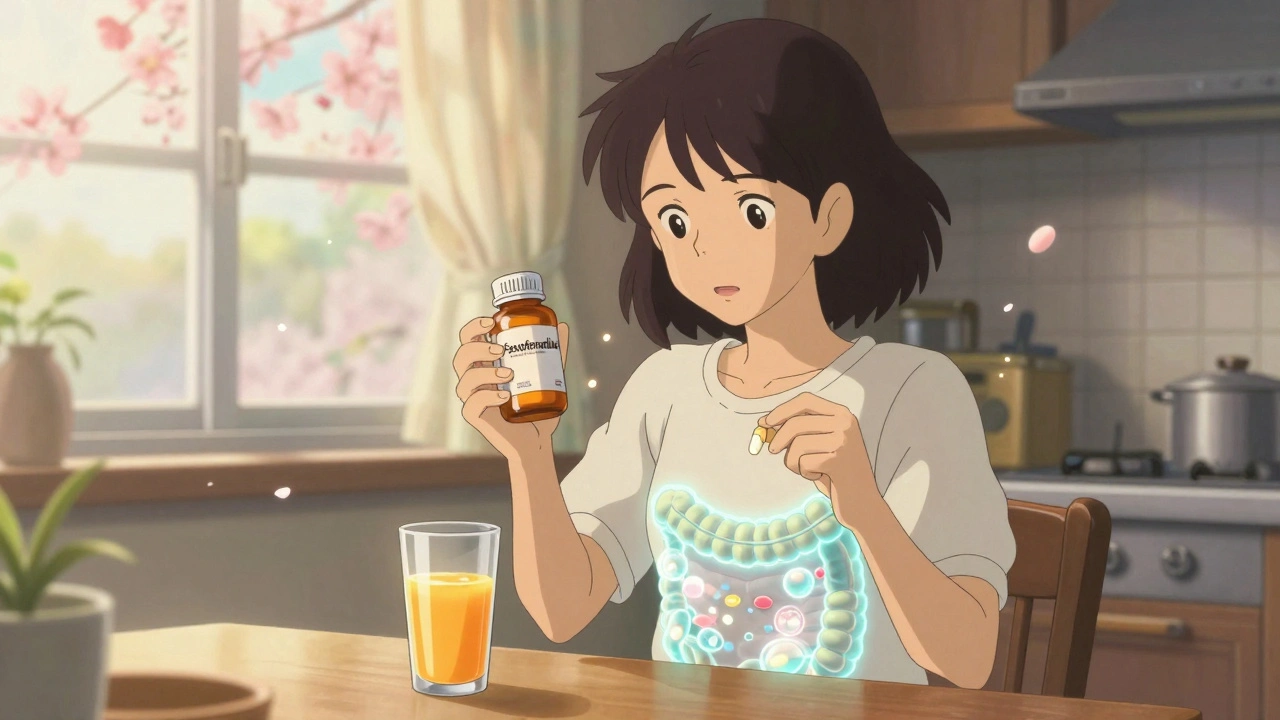
Fexofenadine and Fruit Juice: Why Your Allergy Medicine Might Not Work
Fexofenadine (Allegra) can lose up to 77% of its effectiveness when taken with orange, apple, or grapefruit juice. Learn why this happens, how to avoid it, and which allergy meds don’t have this problem.
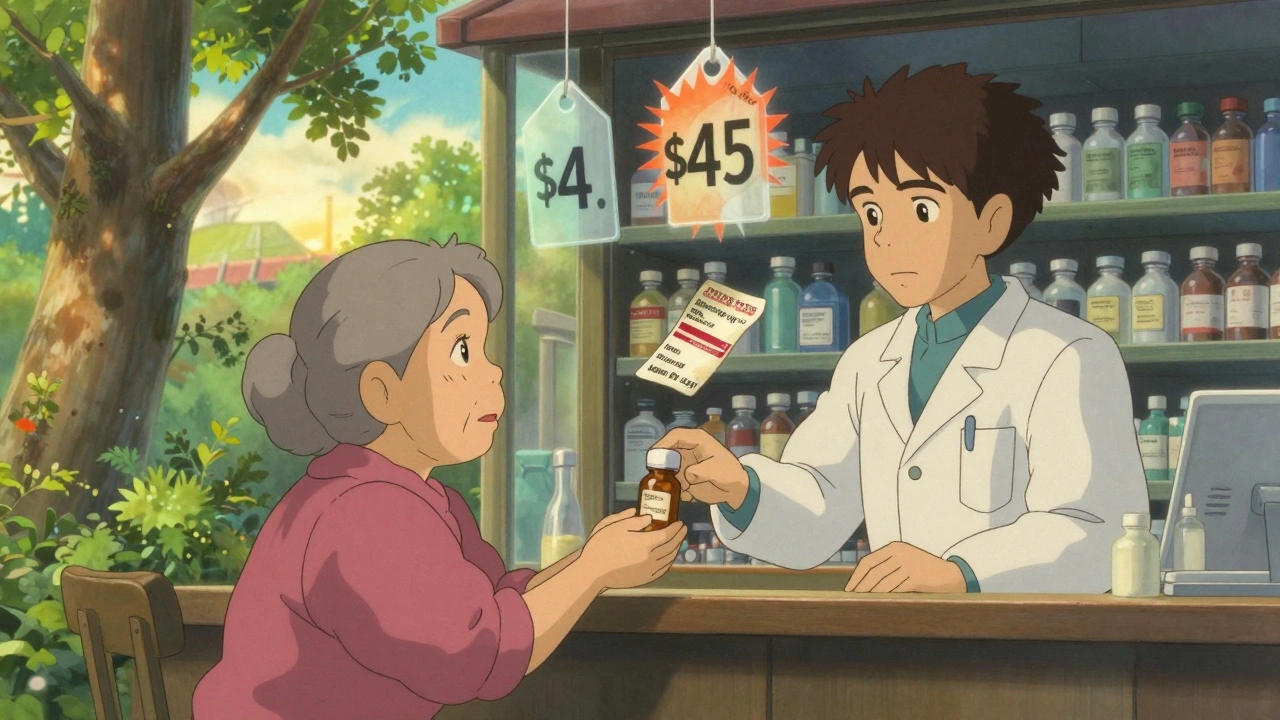
Generic Drug Prices Over Time: Year-by-Year Changes and What Really Happens
Generic drug prices don't just drop over time - they spike unpredictably. See how competition, manufacturer exits, and supply chain issues cause year-by-year price swings that impact millions of Americans.