Category: Pharmaceuticals - Page 2
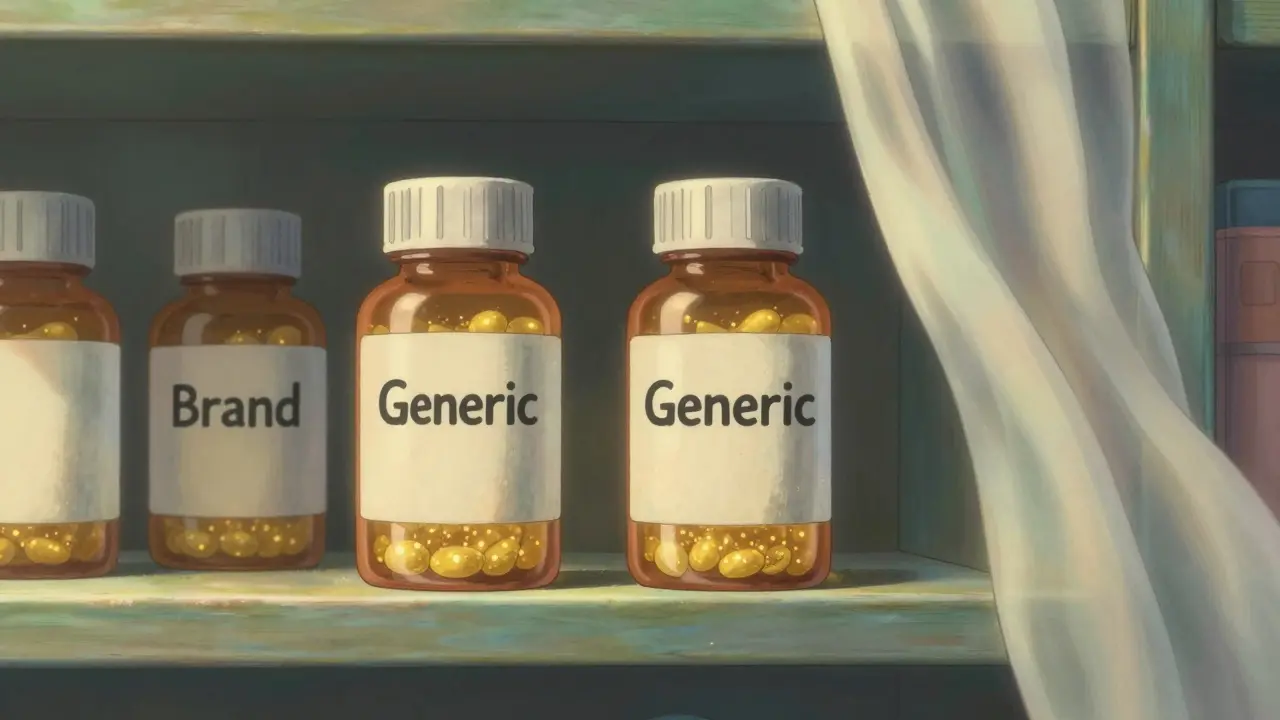
Generic Drug Quality Standards: FDA Requirements and Testing
FDA-approved generic drugs must meet strict standards for pharmaceutical and bioequivalence to ensure they work just like brand-name drugs. Learn how testing, manufacturing, and oversight guarantee quality and safety.

Generic Immunosuppressive Combinations for Transplant Patients: Cost-Saving Options That Work
Generic immunosuppressive combinations now make lifelong transplant care affordable without sacrificing safety. Learn how tacrolimus, MMF, and sirolimus generics work, their real cost savings, and why careful monitoring is essential.
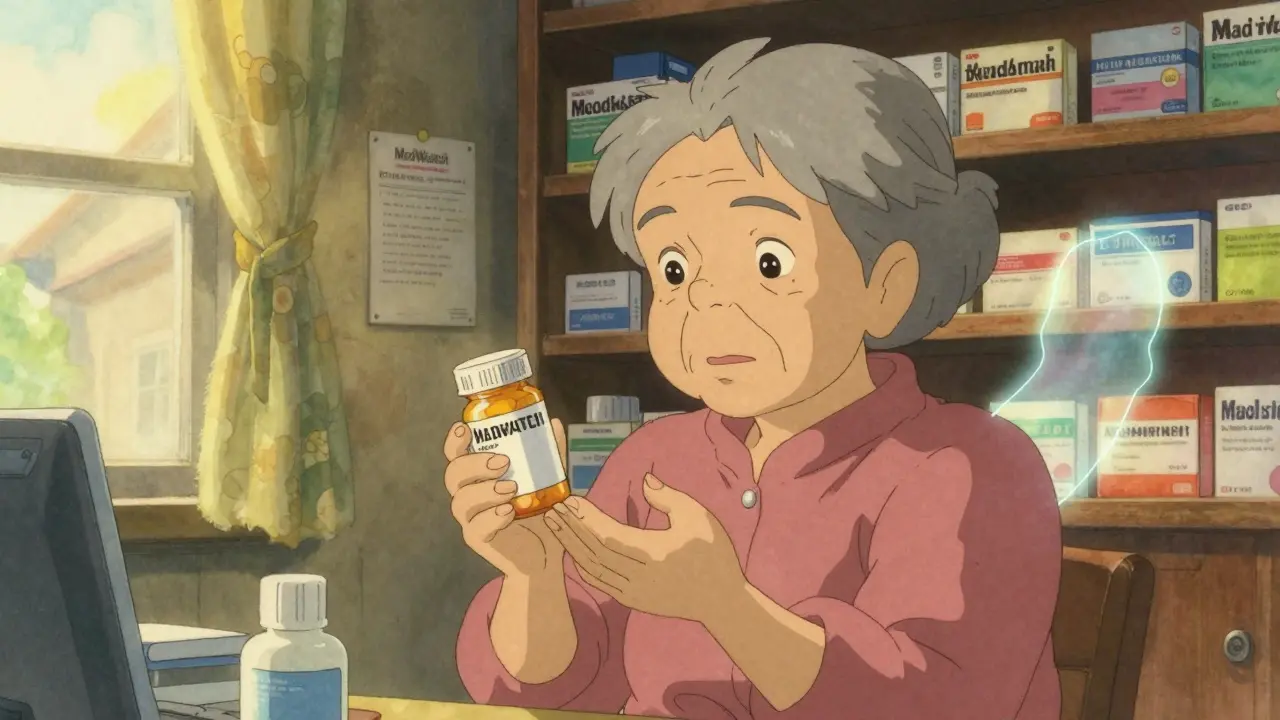
MedWatch Reporting for Generics: How Safety Data Is Collected and Why It Matters
MedWatch collects vital safety data on generic drugs used by 90% of U.S. patients. Learn how adverse events are reported, why manufacturer details matter, and how your report can help improve drug safety.

Mirtazapine and Weight Gain: What You Need to Know About This Common Side Effect
Mirtazapine is an effective antidepressant but commonly causes weight gain due to increased appetite and metabolic changes. Learn how much weight people gain, why it happens, and practical ways to manage it without stopping the medication.

Using Social Media for Pharmacovigilance: Opportunities and Risks
Social media is transforming drug safety monitoring by capturing real-time patient reports of side effects. While it offers faster detection of adverse reactions, challenges like data noise, privacy concerns, and regulatory gaps remain.
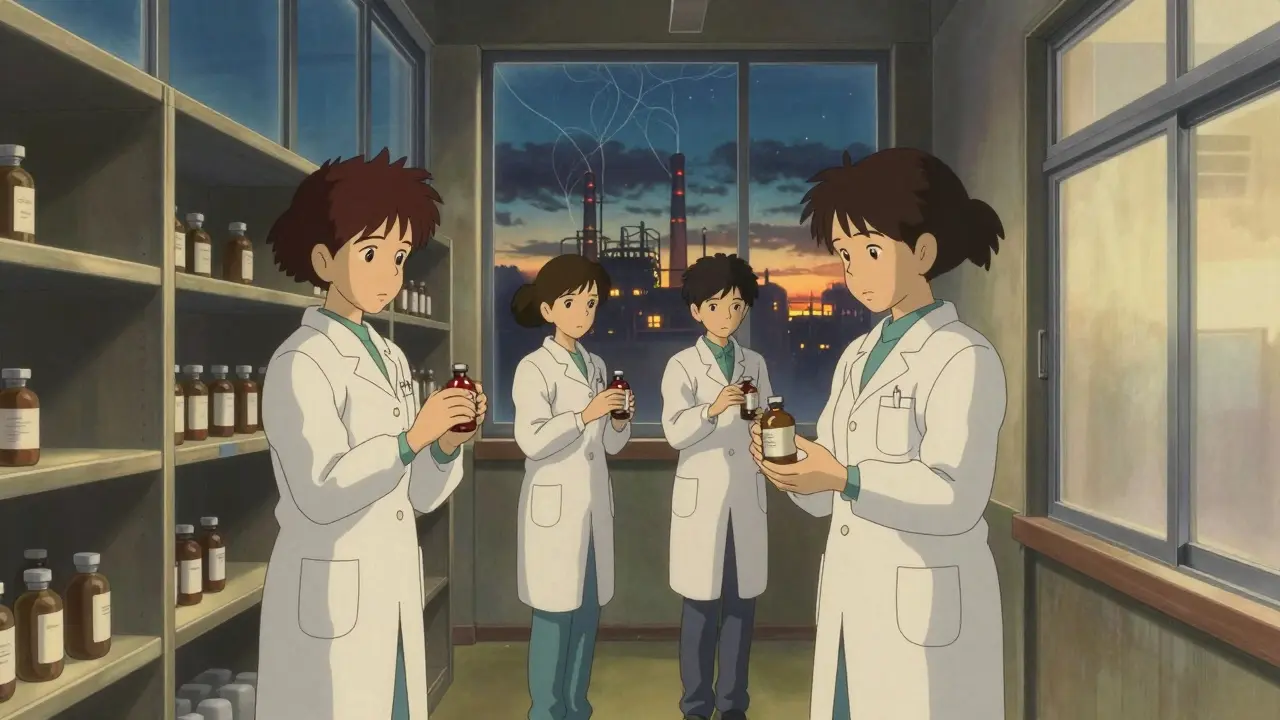
Government Response to Drug Shortages: Federal Actions and Policy Shifts in 2025-2026
Federal actions to combat drug shortages in 2025-2026 focus on stockpiling active ingredients and regulatory tweaks, but fail to fix the root causes: manufacturing concentration, low profit margins, and weak reporting. Real solutions require economic reform, not just emergency reserves.
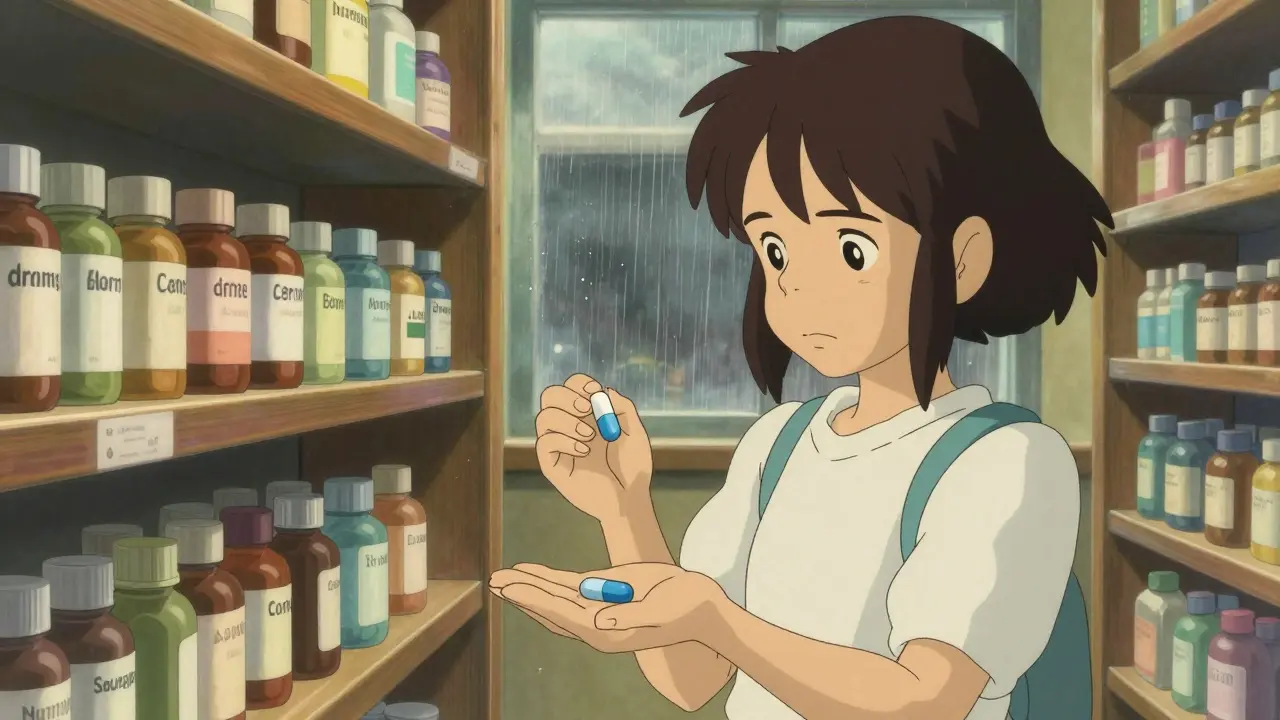
Switching Between Generic Medications: What You Need to Know
Switching between different generic medications can be safe-or risky, depending on the drug. Learn which medications require caution, how to spot changes, and what to ask your doctor and pharmacist to stay protected.

Effective Patent Life: Why Market Exclusivity in Pharmaceuticals Is Shorter Than You Think
Effective patent life is often just 10-13 years for new drugs, not the full 20 years. Learn why patents expire faster than you think, how companies stretch exclusivity, and what it means for drug prices and patient access.
FDA Proposed PMI Changes: What Patients and Pharmacies Need to Know
The FDA is introducing a new standardized Patient Medication Information (PMI) format for all outpatient prescriptions, replacing inconsistent Medication Guides with a single-page, easy-to-read handout to reduce errors and improve safety.
Current Drug Shortages: Which Medications Are Scarce Today in 2026
As of early 2026, over 260 essential medications remain in short supply across the U.S., including chemotherapy drugs, IV fluids, and antibiotics. Learn which drugs are hardest to find, why, and what you can do.